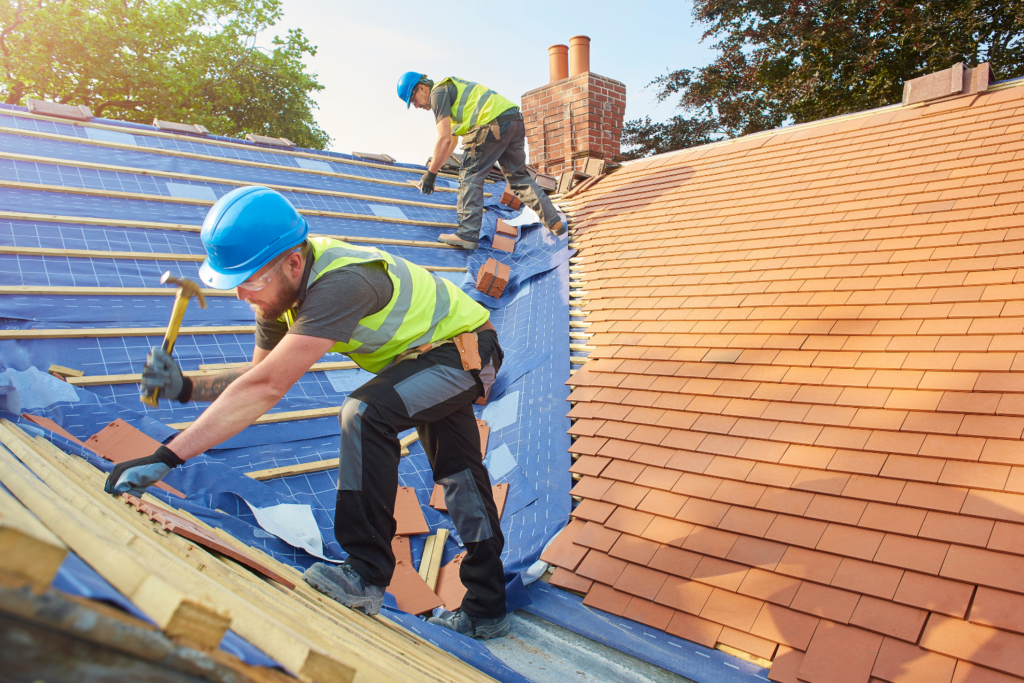
Hiring the wrong roofer can lead to leaks, stress, and expensive repairs later, while the right roofer protects your home for many years. Guidance from UK roofing associations and consumer sites consistently recommends asking clear questions about insurance, experience, scope of work, and warranties before you hire. Before you sign anything, you should know exactly who will be on your roof, what is included in the quote, how long the job will take, and what happens if there is a problem after the work is finished.
This guide gives you a simple checklist of essential questions to ask before hiring a roofer, so you can compare quotes fairly and avoid costly surprises. Independent advice repeatedly highlights that the best contractors are happy to answer these questions in detail and provide everything in writing. If you are in our local area and need help understanding roofing quotes, JW Roofing Solutions can walk you through your options and provide a clear written proposal for your roof.
A roof is one of the most important parts of your home, and fixing mistakes can be far more expensive than doing the job properly the first time. UK homeowner advice pages stress that choosing a roofer only on price, without checking credentials and details, is a common cause of later disputes.
By asking structured questions before you hire, you require each contractor to explain their process, their protection for you as a customer, and how their quote is built. This makes it easier to compare roofers side by side and spot warning signs such as vague answers, reluctance to provide documents, or big gaps in what is included.
What to ask:
Public liability insurance helps protect you if there is accidental damage to your property or if someone is injured while work is being carried out on your home. UK roofing bodies and trade directories advise homeowners to ask for proof of this insurance, not just a verbal assurance.
Roofers in the UK do not need a specific licence, but membership in recognised trade bodies such as the National Federation of Roofing Contractors (NFRC) shows they meet agreed industry and safety standards. A reputable roofer should be comfortable showing these details and explaining what they mean for you as the customer.
What to ask:
Vague, one-line quotes make it almost impossible to compare roofers fairly and can hide extra costs. Independent contractor guides recommend asking for a written estimate that lists the type of materials, labour, whether VAT is included, and any additional items such as scaffolding and skip hire.
A clear quote protects both you and the roofer, because everyone has the same written record of what has been agreed. When you receive several quotes, place them side by side and check that each one covers the same elements before deciding which offers the best value.
What to ask:
Overlaying new materials on top of an old roof can seem cheaper initially, but UK roofing advice warns that it may hide existing problems, trap moisture, and add extra weight to the structure. A professional roofer should explain whether a full strip is recommended for your property and how they will inspect the underlying structure for damage.
While a full strip and replacement can cost more upfront, it often delivers a longer-lasting and safer result, especially for older roofs where hidden issues are more likely. This is the kind of explanation you should expect in a clear and honest quote.
What to ask:
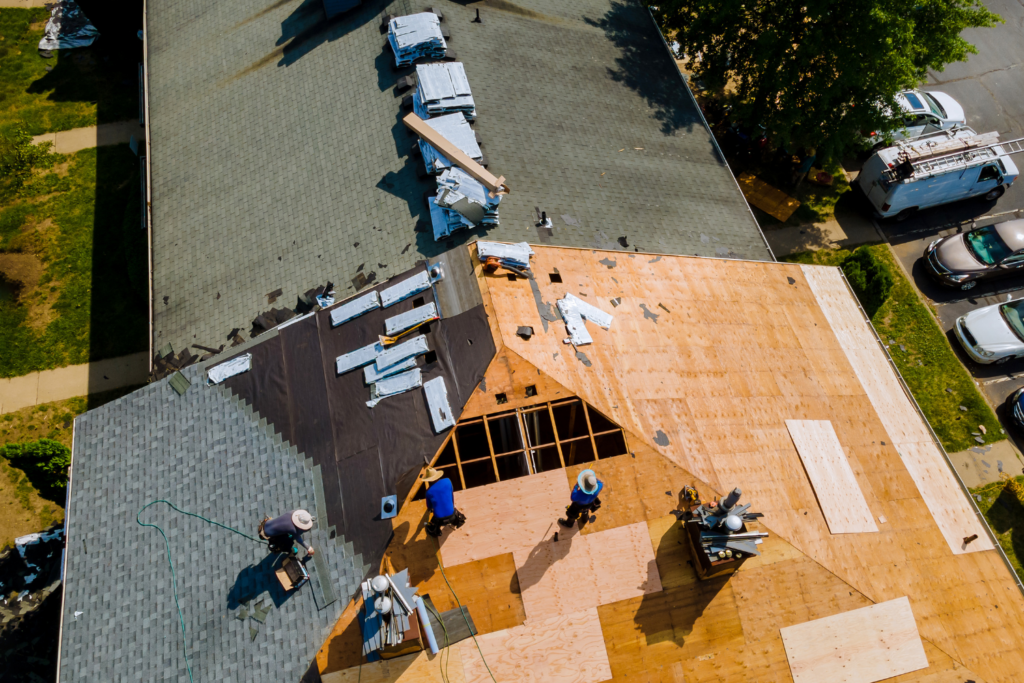
Some companies use their own in‑house teams, while others rely partly or fully on subcontractors. Homeowner guides suggest clarifying who will be on your property, who is responsible for quality, and who your main point of contact will be during the project.
You should also confirm that anyone working on your roof is covered by appropriate insurance and that the main company will honour the warranty regardless of who physically carried out the work. This helps ensure you are not left in a difficult position if a subcontractor disappears or changes businesses.
What to ask:
British weather is unpredictable, and roofing work is particularly affected by heavy rain, wind, or frost. Roofing advice articles recommend agreeing a realistic timescale for the job and asking how the roofer will protect your property and keep you updated if the schedule needs to change.
You should know whether the team will work on your roof continuously until completion or move between several jobs, as this can affect how long your home is disrupted. A good roofer will outline their plan clearly and explain how they deal with unforeseen delays.
What to ask:
Most reputable roofers offer a guarantee on their workmanship, alongside the manufacturer’s warranty on the roofing products they use. UK roofing and contractor guides advise homeowners to ask how long each type of warranty lasts and what is covered or excluded.
Ask whether the guarantee is backed by insurance, whether you will receive it in writing, and whether it can be transferred if you sell your home. Clear guarantees give you peace of mind and a straightforward route to follow if a problem appears after the work is completed.
What to ask:
Seeing recent local work and reading independent reviews is one of the most effective ways to judge a roofer’s reliability. Trade directories and consumer platforms encourage homeowners to check photos, ratings, and written reviews before agreeing to any major job.
When you look at feedback, focus on comments about communication, punctuality, cleanliness, and how problems were resolved. A company with a solid trail of detailed reviews and visible recent projects is usually a safer bet than one with little or no public history.
Beyond asking direct questions, you can carry out a few quick checks yourself:
These simple steps, combined with the questions in this guide, will help you feel much more confident when choosing who to trust with your roof.
Choosing a roofer is far easier when you know what to ask, and the best professionals welcome detailed questions. JW Roofing Solutions encourages homeowners to use this checklist because transparent communication leads to better, longer-lasting projects.
Our team provides written, detailed quotes, explains options in plain language, and is happy to show examples of recent work in your area. You can learn more about who we are on our About Us page, and see the roofing services we provide on our Services page. When you are ready to talk about your roof, it only takes a moment to request an inspection or callback through our Contact Us page.
If you are considering hiring a roofer and want a clear, no‑pressure quote, contact JW Roofing Solutions today to arrange a roof inspection and written proposal tailored to your home.
How many quotes should I get before hiring a roofer?
Homeowner advice sources usually suggest getting at least two or three quotes so you can compare scope, price, and communication style rather than choosing the first roofer you speak to.
Is the cheapest quote always the best?
Not always. A low price can reflect cheaper materials, missing items such as scaffolding or waste removal, or rushed labour, so experts recommend comparing what each quote actually includes before deciding.
Should I pay a roofer upfront?
It is common to pay a deposit towards materials on bigger jobs, but consumer guidance warns against paying the full amount before work starts and suggests agreeing a staged payment plan linked to clear milestones.