Hiring a roofer who is properly insured and certified is not just a nice extra; it is essential protection for you and your home. Working at height with heavy materials makes roofing one of the highest‑risk trades, so if something goes wrong and your contractor is not properly covered, you could face large out‑of‑pocket costs or disputes. In the UK, there is no single mandatory “roofing licence” everywhere, but reputable contractors follow recognised standards, carry the right insurances, and often belong to trade bodies that vet their work.
This guide explains the key types of insurance, how UK “licensing” really works in roofing, and how you can quickly check a roofer’s credentials before you hire them. The aim is to give you a simple checklist you can use with any quote. If you are in our local area and want a roofer who is open about their insurance, certifications, and process from the start, JW Roofing Solutions is always happy to walk you through the details in plain language.
Roofing involves ladders, scaffolding, heavy tools, and sometimes heat, all at height and often in changeable weather. That combination means accidents, although rare, can be serious and affect people, vehicles, or property around your home. Without the right insurance in place, you may find yourself stuck between your own home insurance and the contractor, arguing over who should pay.
Hiring an insured and properly certified roofer greatly reduces that risk. Their policies and memberships are designed to give both you and them a safety net if something goes wrong, and they signal that the business takes safety, quality, and legal requirements seriously rather than just chasing quick cash jobs.
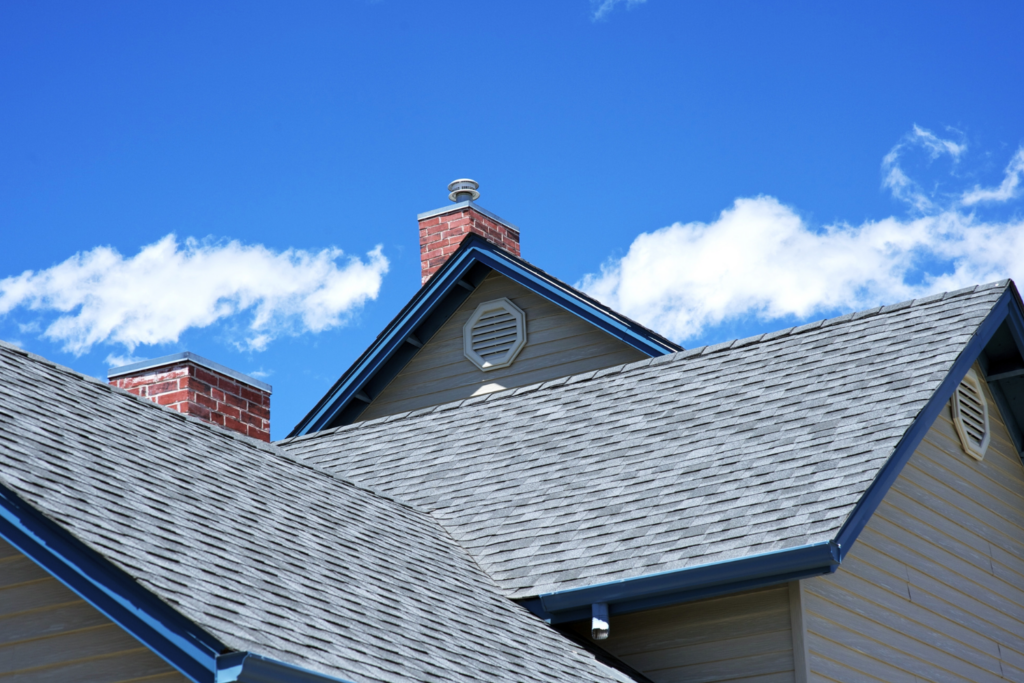
Public liability insurance is the most important cover from a homeowner’s point of view. It is designed to cover damage or injury caused to third parties – for example, if a tile slips and hits a parked car, a ladder damages your neighbour’s window, or a mistake leads to a leak that ruins your ceilings and belongings.
Before any work starts, ask the roofer directly for proof of current public liability insurance and check the dates and the name of the business on the certificate. Reputable contractors usually have this ready to share, and many are used to providing it for homeowners, letting agents, and surveyors. If a roofer is reluctant, vague, or says you “don’t need to worry about it”, that is a strong signal to look elsewhere.
If a roofer employs staff or uses labourers, they will generally be required to hold employer’s liability insurance. This protects the business if an employee or labourer is injured or becomes ill as a result of their work and may help avoid complex claims involving you as the homeowner.
When you ask about insurance, it is reasonable to ask whether the company has employer’s liability cover and whether any subcontractors or labourers are also covered under a policy. A professional roofer should be able to explain in simple terms who is insured while working on your property and how.
Some roofing systems, especially certain flat roofs, require the use of gas torches, hot bitumen, or other heat‑based techniques. These methods are effective when done properly but carry extra fire risk if used carelessly or without the right precautions. For that reason, insurers often treat “hot works” as higher risk and require additional or specific cover.
If your roof quote mentions torch‑on membranes, hot works, or similar methods, ask directly whether the roofer’s insurance covers this type of work. A responsible contractor will know this and can confirm it. If they are unsure or say it “should be fine” without checking, you are right to be cautious.
Unlike some countries, the UK does not have a universal, government‑issued “roofing licence” that every roofer must hold before they work on domestic properties. Instead, homeowners are encouraged to look at a combination of trade qualifications, membership in recognised associations, and participation in Competent Person schemes.
Accredited contractors are typically assessed on areas such as health and safety, financial stability, and quality of workmanship. They may also be able to offer insurance‑backed guarantees and self‑certify certain work for building regulations. When a roofer is part of an established scheme, you are not just relying on their word – an independent body is also checking that they meet certain standards.
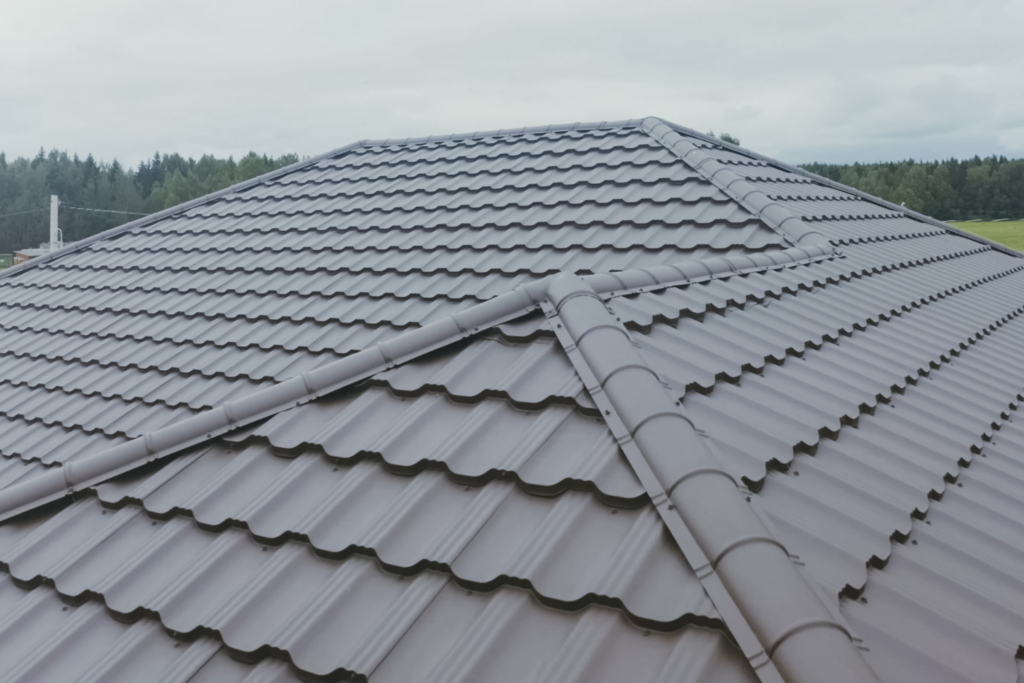
For larger roof refurbishments, such as replacing more than a quarter of the roof, building regulations usually apply, and the work needs to be signed off correctly. One way to handle this is to use a roofer who is registered with a recognised Competent Person scheme, which allows them to self‑certify the work and issue you with a compliance certificate.
That certificate becomes an important document when you sell your home, as solicitors and buyers often ask for evidence that significant roof work met building regulations. Without it, you may have to go through a regularisation process later, which can be more time‑consuming and stressful than getting it right upfront with a qualified contractor.
Membership in respected roofing associations and schemes usually involves ongoing checks, not just a one‑off sign‑up. Contractors may be assessed on their safety practices, training, financial health, and sample projects. They may also be required to follow a code of practice and handle complaints through a clear process.
For homeowners, this means that an accredited roofer has had some level of independent scrutiny. While no scheme can guarantee perfection, using a contractor who has been vetted is generally safer than hiring someone with no visible track record, no memberships, and no paperwork.
You do not have to accept vague claims at face value; there are easy ways to check a roofer. You can use trusted directories and national roofing association websites to search for the contractor’s name and see whether they appear on official member lists or recommended trader pages. Many of these sites allow you to filter by location and trade so you can confirm that you are dealing with the right company rather than an imitator.
You can also ask the roofer to show you their insurance certificates and any membership or registration numbers and then check those details yourself. A straightforward, transparent contractor will be happy to provide this. Combining online checks with a look at independent reviews and photos of recent work gives you a much clearer picture than a leaflet or a cold call alone.
(Example external links you may wish to include when publishing this article: a national roofing association homeowner advice page, and a government‑endorsed quality scheme such as TrustMark so readers can see how to verify traders.)
At JW Roofing Solutions, being properly insured and up to standard is a non‑negotiable part of how we work. We hold appropriate cover for the type of roofing projects we undertake and are always happy to show proof of our insurance and explain what it means in straightforward terms. Our quotes also make clear what methods and materials we plan to use, so you know whether any specialist cover is relevant to your job.
If you would like to learn more about who we are and how we work, you can read about our experience and values on the About Us page, or view the range of services we provide on our Services page. When you are ready to discuss your own roof, it only takes a moment to reach out through our Contact Us page and request a no‑obligation inspection or quote.
If you want extra peace of mind about insurance and standards before you book a visit, one practical step is to check a recognised roofing association site or an approved trader directory and then compare what you see there with the details your roofer provides.
From the homeowner’s perspective, what part of this feels most confusing right now: the different types of insurance, the UK “licensing” situation, or how to actually verify a roofer online?