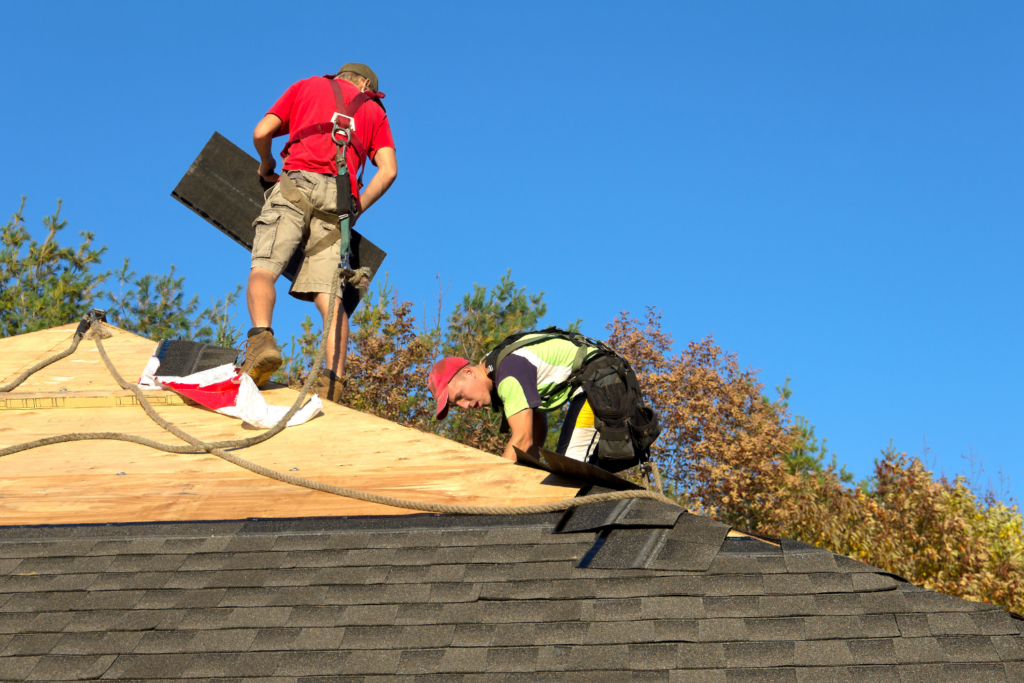
Deciding between roof repair and full replacement mainly comes down to the age of your roof, how widespread the damage is, and how long you plan to stay in the property. Industry guidance generally suggests that younger roofs with small, localised issues are usually good candidates for repair, while older roofs with repeated or widespread problems are better replaced for long‑term value. If you keep paying for patch repairs on a roof that is near the end of its life, you often spend more over time than you would on a planned replacement.
This guide walks you through the key factors: age, extent and location of damage, cost versus long‑term value, and when a professional inspection is essential. The goal is to give you a simple decision framework you can use before you commit to either option. If you are in our local area and unsure which route is right for your home, JW Roofing Solutions can inspect your roof, explain the findings in plain language, and provide both repair and replacement options so you can decide with confidence.
Most common pitched roof coverings are designed to last for decades, but they do not stay in “like new” condition the whole time. If your roof is relatively young and has been installed correctly, issues like a few slipped tiles or a single small leak are often caused by weather events or localised wear and tear. In these cases, a targeted repair can restore protection without needing to disturb the rest of the roof.
Once a roof is approaching the later part of its expected lifespan, materials tend to become more brittle, weathered, and difficult to match. At that stage, repeated repairs may only buy short periods of relief before new issues appear elsewhere. If your roof is over 20 years old and you are starting to see more regular problems, it is usually worth seriously considering whether a planned replacement will be a better investment than ongoing patching.
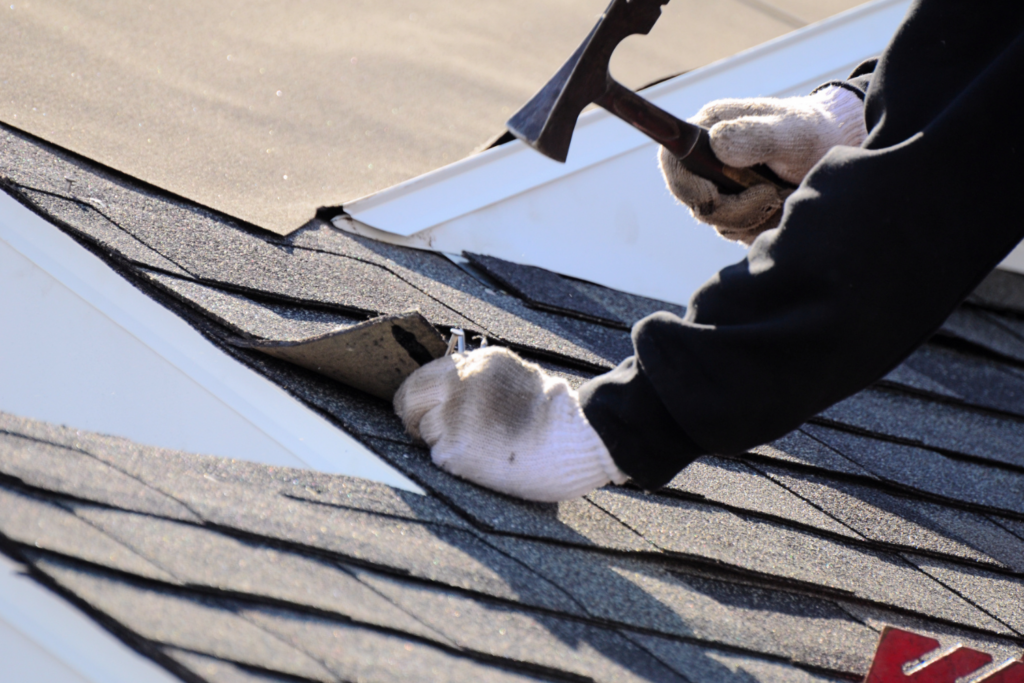
When to lean towards repair:
In these situations, a roofer can often replace individual tiles, renew local flashing, or reseal problem details, bringing the roof back to good condition without major structural work.
When to lean towards replacement:
Widespread problems like these suggest that the overall roof system is tired or failing, so replacing only the visibly worst areas may not solve the underlying issue. In that scenario, a full replacement often provides a more reliable and predictable outcome.
Repair work usually has a lower upfront cost and can be an excellent choice for younger roofs or isolated defects. Typical minor repairs might include replacing a small number of broken tiles, renewing a length of flashing, or fixing a specific leak, and costs will depend on access, materials, and how complex the detail is. However, if you find yourself calling a roofer back every year or two, those costs quickly add up and may not add meaningful value to the property.
A full replacement requires a larger one‑off budget, but it provides a fresh start and can significantly improve the roof’s performance, appearance, and energy efficiency. Homeowners planning to stay in their property for many years, or those preparing it for sale, often find that a new roof can make the home easier to maintain and more attractive to buyers. When comparing options, it helps to think about how long you expect to own the property and whether you prefer lower short‑term cost or greater long‑term certainty.
Some signs that you should arrange a professional inspection rather than guessing are:
A thorough inspection from an experienced roofer can reveal whether the damage is mainly cosmetic and local, or whether there are deeper issues with the structure or waterproofing layers. That assessment is your best basis for deciding between a targeted repair and a full replacement.
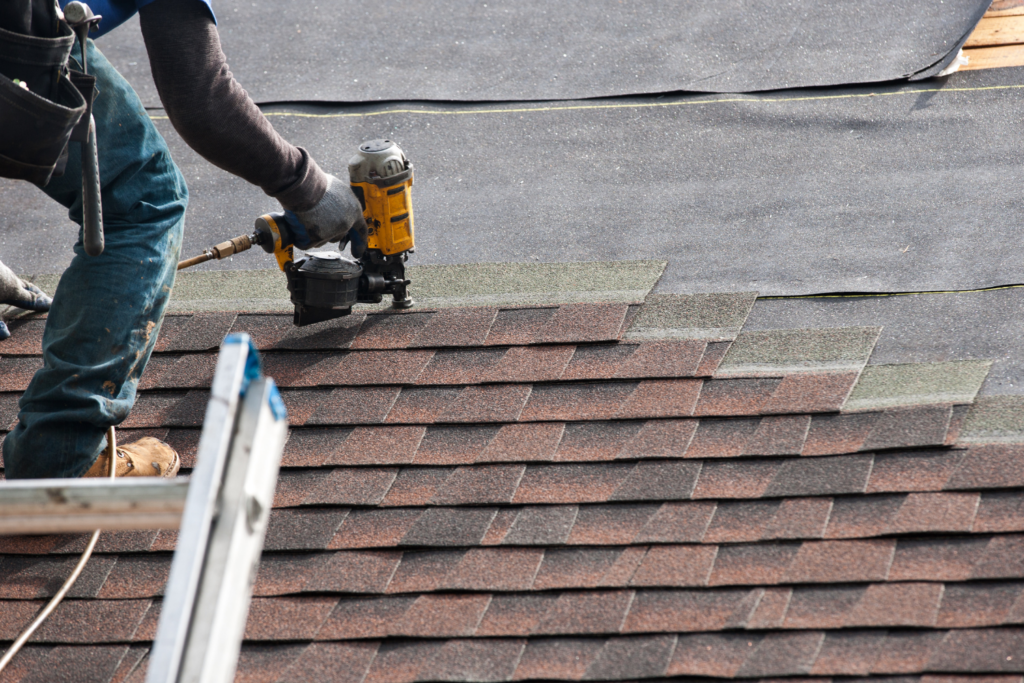
Making the right choice between repair and replacement is easier when you have clear information rather than guesswork. At JW Roofing Solutions, the first priority is to understand the real condition of your roof, not to push one option over another. After a careful inspection, we explain what we have found, show you photos where helpful, and outline both repair and replacement routes with honest pros and cons.
If you want to learn more about who will be working on your roof, you can read about our experience and approach on the About Us page, and explore the different types of roofing work we carry out on our Services page. When you are ready to talk about your own roof, you can request a no‑obligation inspection or quote through our Contact Us page. For additional independent guidance, many homeowners also like to review information from national roofing associations or trusted trader schemes before making a final decision.
If you had to decide right now based only on what you can see and know about your roof, would you lean more towards “it just needs a repair” or “it might actually be time for a replacement,” and why?