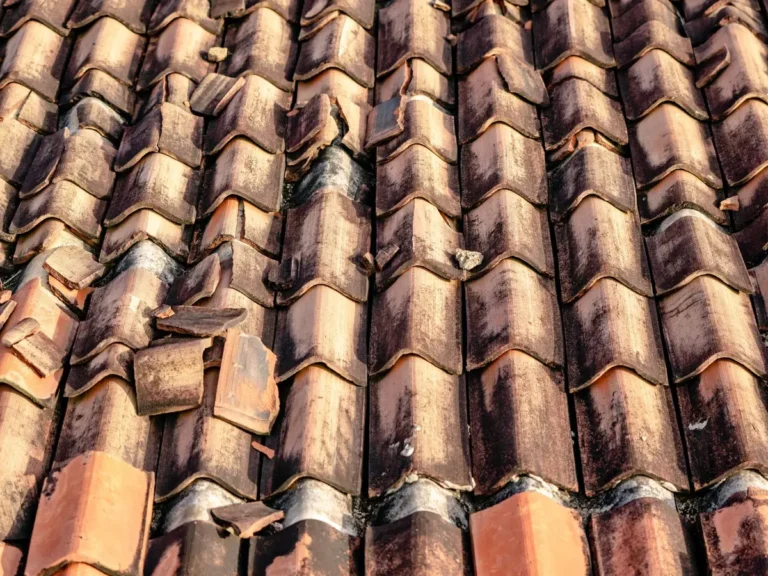



A Velux window leaking is rarely a fault in the glass. Most leaks come from what surrounds the window: blocked or damaged flashing, worn seals, a missing underfelt collar, or slipped tiles and torn felt above it. If water only appears on cold, dry mornings, it is probably condensation. Most leaks can be repaired without replacing the window.
Key facts
- VELUX says water entering through a VELUX window is not common, and asks owners to check the window is fully closed and to rule out condensation first.
- VELUX recommends removing leaves and debris from the flashing once per year so rainwater can flow freely.
- The same VELUX care guide says to avoid contact from silicone with the pane, which is worth knowing before you try a DIY sealant fix.
- Checkatrade’s July 2026 guide puts seal replacement at £65–£150 and flashing or frame repair at £180–£500, against £1,000–£2,500 to remove and replace the whole window.
- A well-maintained Velux window typically lasts 20–30 years, with seals and the glazing unit usually the first parts to need attention.
This guide shows you how to tell a real leak from condensation, the eight usual causes and where each one shows up, what you can safely check yourself, and when repair or replacement makes sense. The advice applies to most makes of roof window, not only Velux. If you would rather have it looked at, our team handles roof window and skylight work across SouthWest London.
Is My Velux Window Leaking or Is It Condensation?
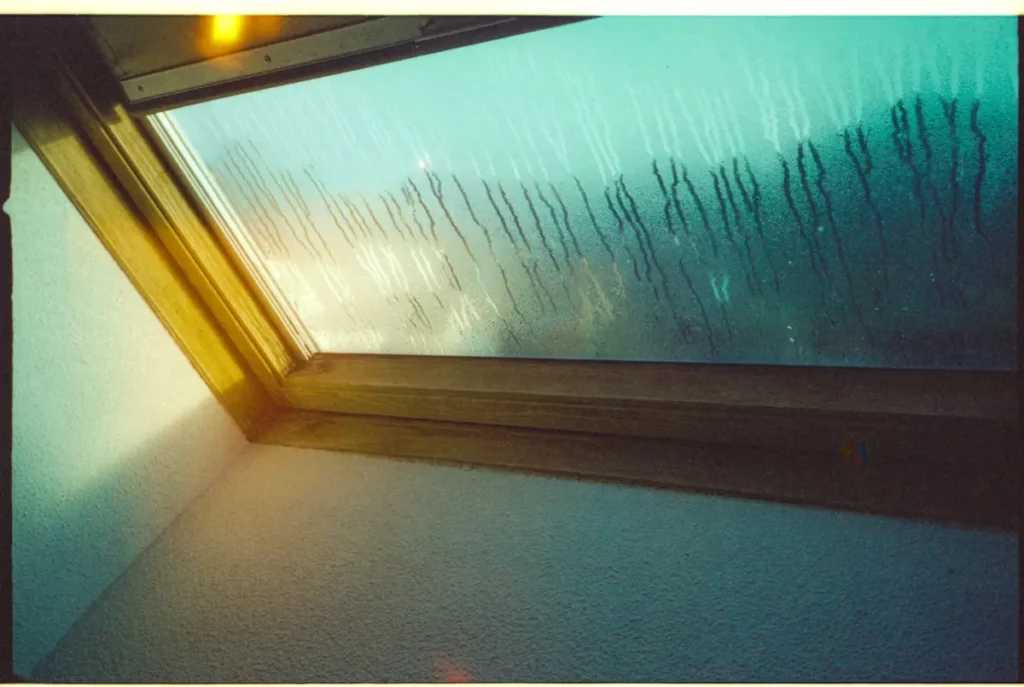
Start here, because the fixes are completely different. A rain leak gets worse in wet weather. Condensation gets worse on cold days when the room is humid, whatever the weather is doing.
VELUX explains that condensation forms when warm, humid air comes into contact with cool glass, and that it is especially common in winter. Its indoor climate specialist adds that it usually happens on a cold day when humidity is high from cooking, showers, many guests in the house or insufficient ventilation. Loft bedrooms and loft bathrooms are prime spots.
Use this quick comparison:
| What you notice | Points to a rain leak | Points to condensation |
|---|---|---|
| When it happens | During or soon after rain, worst in heavy or wind-driven rain | Cold mornings and evenings, even on dry days |
| Where the water is | Usually a bottom corner, the sides of the frame or the ceiling above the window | Droplets spread evenly across the inside of the glass, running down to the bottom of the frame |
| Other rooms | Only this window or this part of the roof | Other windows in the house also mist up |
| Plaster around the lining | A brown stain or tide mark that spreads after storms | Black mould spots, especially on the bottom of the lining |
| After ventilating | No change | Clears up when you air the room |
A simple test: dry the glass and frame fully with a towel on a dry evening, keep the room ventilated, and check again in the morning. Then repeat the check during the next spell of rain. If the window stays dry on the dry night but wets up in the rain, you have a leak.
If it is condensation, VELUX’s advice is to ventilate for five minutes at least three or four times a day, avoid drying laundry indoors, keep kitchen and bathroom doors closed, and keep rooms at a steady 20°C if you can. Condensation can also happen inside the loft rather than on the window. Our guide to condensation on roofing felt covers that.
Why Is My Velux Window Leaking? 8 Common Causes
Once you know it is rain, the position of the water usually tells you which of these is to blame:
| Cause | Where water usually shows | Typical clue | Who fixes it |
|---|---|---|---|
| 1. Window not fully closed or a worn closing mechanism | Along the top or sides of the sash | Handle does not lock home, or the sash sits unevenly | You can check; mechanism parts may need a fitter |
| 2. Leaves and debris on the flashing | Bottom corners | Moss or leaves visible on the window from outside; worse in autumn | Roofer if it cannot be reached safely |
| 3. Worn or perished seals | Between the sash and frame | Seal feels hard or cracked; draughts as well as drips | Often DIY with a genuine seal kit, or a fitter |
| 4. Damaged or wrongly fitted flashing kit | Bottom corners and sides of the lining | Leak gets worse in driving rain; flashing lifted or the wrong type for the roof | Roofer |
| 5. Missing or torn underfelt collar | Head of the window and down the lining | Older windows fitted without a collar, or felt cut short around the frame | Roofer |
| 6. Roof leak above the window | Top of the lining or ceiling above | Slipped slate or tile, or torn felt higher up the slope | Roofer |
| 7. Cracked glass or failed glazing unit | On the glass itself, or misting between panes | Visible crack, or fog that cannot be wiped off | Window fitter or roofer |
| 8. Flat roof window: failed roofing around the upstand | Around the frame of a flat roof window | Splits or lifting in the felt or membrane around the kerb | Roofer |
A few of these deserve more explanation, because they are the ones most guides skip.
The wrong flashing for the roof. VELUX makes different flashing kits for different roof coverings. For example, its EDL flashing is for flat roofing materials up to 8 mm such as slate, while EDW is for profiled roofing material up to 120 mm, such as concrete interlocking tiles. A slate roof fitted with a tile flashing, or the other way round, leaves gaps that water finds in heavy rain. There is a different flashing type for most roofing materials, so the fix is often a correct new kit rather than more sealant.
The underfelt collar. Under the flashing, current VELUX installations use a BFX underfelt collar, which creates a watertight seal between the roof window, battens and the roofing underfelt. It also has a drainage gutter that leads water away from the head of the window if there is a leak above. Older windows, or windows fitted cheaply, may not have one, so any water running down the felt from higher up the roof ends up in your room.
Low pitch roofs. Roof windows are designed for a range of pitches. VELUX sells a separate low pitch roof window for roof pitches 10°–20°. A standard window on a very shallow rear extension roof drains slowly and is more likely to leak in a downpour.
Why Is My Velux Leaking From the Bottom Corner or Only in Heavy Rain?
A bottom corner leak usually means water is not getting away from the bottom of the window. The common reasons are debris building up on the flashing, a flashing apron that has been lifted or damaged, or worn seals at the bottom of the sash.
A leak that only appears in heavy or wind-driven rain points to the flashing or the collar underneath it rather than the glass. In normal rain the water drains away; in a downpour the volume overwhelms a flashing that is blocked, poorly fitted or the wrong type, and water backs up under it.
If you see black or soft wood in a bottom corner, take it seriously. It means the corner has been wet for a long time, from a leak, condensation or both. Timber that has started to rot may decide the repair or replace question for you.
Water appearing at the top of the window is less common and often comes from the roof above, not the window. On London slate roofs, a slipped or cracked slate a few courses up can send water down the felt to the head of the window. Our guide to slipped slate repair explains what fixing that involves.
What Can You Safely Check Yourself?
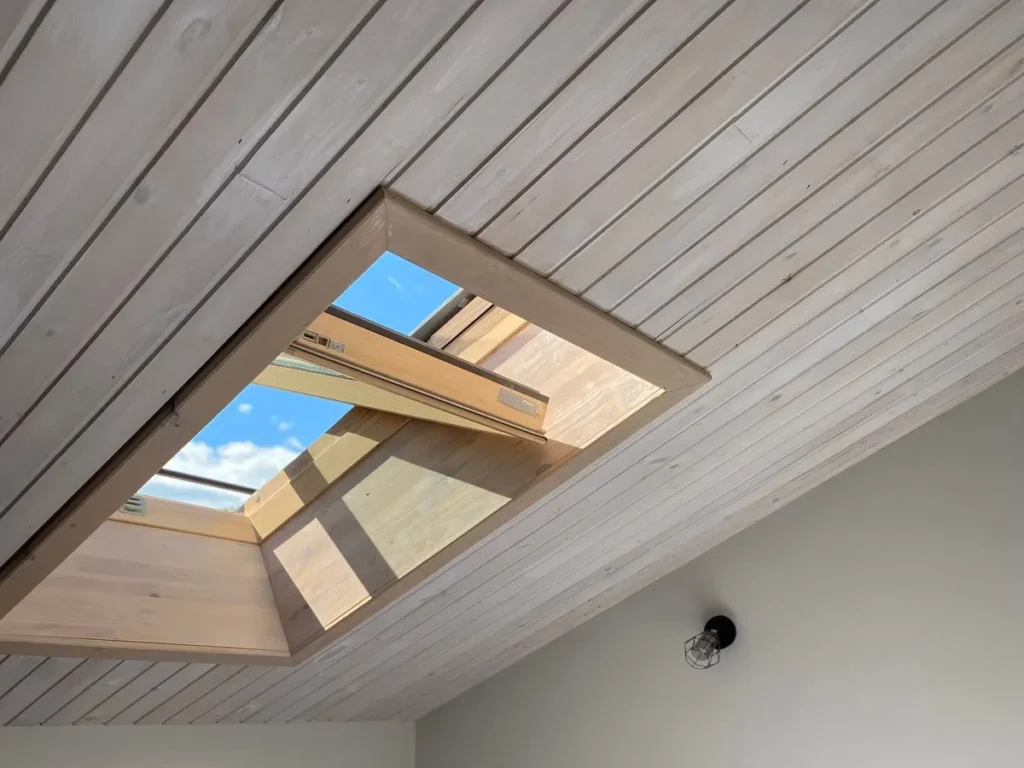
Quite a lot, from inside the room and from the ground. Work through these steps before you call anyone, and you will save time on the visit:
- Check the window is fully closed and locked. It is the first thing VELUX asks owners to check, and twigs or a sticky handle can stop the sash closing properly.
- Rule out condensation. Do the dry-night and rainy-day comparison described above.
- Do the paper test on the seals. VELUX suggests closing the window on a strip of paper and pulling it. If it slips out easily, the sealing strips are worn and should be replaced.
- Find the data plate. VELUX windows made after 1968 have a type sign in the right corner of the top sash, behind the ventilation flap, showing the type, size, variant and production code. Write it down or take a photo: it tells a roofer or fitter exactly which parts and flashing fit.
- Look at the roof from the ground or another window. Binoculars or a phone zoom will show leaves on the flashing, lifted metal, or slipped tiles and slates above the window.
- Photograph the water. Note when it appears, where it runs and what the weather was doing. This helps trace the leak to its source.
- Protect the room. Put down a towel or bucket and move anything electrical away from the drips while you wait for a repair.
A word on silicone. Online videos often show a bead of silicone run around a leaking roof window. It can sometimes buy time, but VELUX’s own care guide warns against getting silicone on the pane, and sealant smeared over a flashing that is blocked, damaged or the wrong type does not fix the reason water is getting in. It can also trap water and hide the problem from the next person who looks. Treat it as a temporary measure at most.
Please do not climb onto the roof to look. Roof windows sit in the middle of a pitched slope, often two or three storeys up, and the job needs proper access. Our guide on working on a roof without scaffolding explains what safe access looks like.
Water coming in around a roof window? JW Roofing Solutions repairs leaking roof windows and skylights across SouthWest London. We trace leaks to their source, whether that is the window, the flashing or the roof above it, and tell you honestly whether a repair will do. Call +44 7467 800002 or get a free, no-obligation quote.
Can a Leaking Velux Window Be Repaired?
Yes, in most cases. Seals, flashing kits, collars, mechanisms and even the glazing unit can be replaced on their own, so a sound frame rarely needs to come out just because of a leak. VELUX notes that its windows have been made in the same sizes for decades, which is why parts and like-for-like replacements are usually easy to source.
These are typical UK prices from Checkatrade’s July 2026 cost guide. They are national averages, not JW prices, and London jobs often sit towards the higher end:
| Repair | When it is the right fix | Typical UK cost (2026) |
|---|---|---|
| Seal replacement | Paper test fails; drips between sash and frame | £65–£150 |
| Replacement mechanism | Window will not close or lock tightly | £100–£500 |
| Flashing or frame repair or replacement | Leaks at corners or in heavy rain; wrong or damaged flashing | £180–£500 |
| Remove and replace the window | Rotten frame, failed mechanism and glazing, or a window over 20 years old | £1,000–£2,500 |
Source: Checkatrade Velux window repair costs. Checkatrade adds that scaffolding for a two-storey semi costs around £875 per week if it is needed, while VELUX says most of its replacements can be completed from the inside of the home. VELUX’s own Replacement Supply & Fit service quotes an average of £1,200 to £1,600 to supply and install one roof window.
Should You Repair or Replace a Leaking Velux Window?
Repair it if the frame is sound and the problem is a seal, the flashing or the roof around it. Consider replacement if the timber is rotten, several parts have failed at once, or the window is old enough that a new one would also cure draughts and condensation.
Checkatrade’s rule of thumb is that if the repair cost is more than 50% of a new unit’s price, you should get replacement quotes too. VELUX lists the signs it is time to replace as condensation between the panes, draughts, difficulty opening or closing, and windows over 20 years old. It also says most like-for-like replacements are completed in about four hours, fitting into the existing opening.
What we would do: fix the cause first. If the leak is coming from slipped slates or old felt above the window, a brand-new window will leak just like the old one. If the window is fairly new, check whether it is still under the manufacturer’s guarantee. VELUX asks owners whose problem persists to use its service request form.
Do You Need Permission to Replace a Leaking Roof Window?
Not for a repair, but usually yes under the Building Regulations for a full replacement. The Planning Portal states that where a roof light is replaced, building regulations approval will be required, and since 1 April 2002 the regulations have applied to all replacement glazing. An installer registered with the relevant competent person scheme can self-certify the work; otherwise building control signs it off.
Planning permission is not normally needed for a like-for-like swap. New skylights are usually permitted development within certain conditions and limits, but rules differ for flats, listed buildings and conservation areas. Check with your council if you are changing the size or position of the window. Where a new opening is cut, the Planning Portal notes the edges need weatherproofing, commonly using lead flashing or proprietary kits supplied with the rooflight.
Who Should Fix a Leaking Velux: a Roofer or a Window Fitter?
It depends on where the water is getting in. Checkatrade’s advice is that for glass replacement only, a window fitter is often the right person, while anything involving the flashing or the roof structure around the window is better handled by a roofer.
As the causes table shows, most of the likely culprits are in the roof around the window rather than the window itself: the flashing, the collar and felt underneath, or the tiles and slates above. A roofer can deal with the window and its surroundings in one visit. That matters on Victorian and Edwardian houses, where the slate roof around a loft conversion window can be far older than the window.
When you get quotes, give each tradesperson the data plate code, photos of the leak and a note of when it happens. Ask them to explain the cause in writing, not just the fix. If you want a sense of wider costs, our leaking roof repair cost guide covers repairs beyond the window.
How Do You Stop a Velux Window Leaking Again?
Regular, simple maintenance prevents most leaks. VELUX’s care guidance boils down to a few habits:
- Clear the flashing once a year, ideally after leaf fall, or have it done during a roof check. If trees overhang the roof, check it more often.
- Keep gutters clear. VELUX says it is important that water can always drain off from the roof and surrounding gutters.
- Ventilate daily in winter to keep condensation down, especially in loft bedrooms and bathrooms.
- Replace seals as soon as the paper test fails, before draughts turn into drips.
- Service electric windows. VELUX recommends replacing gas springs and motors within 10 years after installation, so a window that stops closing fully in the rain does not let water in.
- Have the roof around the window checked after big storms, when slates and tiles above the window are most likely to slip.
Frequently Asked Questions
Why is my Velux window leaking when it rains?
The most common reasons are leaves and debris blocking the flashing, worn seals, a damaged or wrongly fitted flashing kit, or a leak in the roof above the window. If the leak only appears in heavy or wind-driven rain, the flashing or the underfelt collar beneath it is the usual suspect.
Why is my Velux window leaking from the bottom?
Water at the bottom corners usually means it is not draining away from the bottom of the window, because the flashing is blocked or damaged or the bottom seals are worn. Black or soft wood in the corner means it has been wet for some time, so get it checked before the frame rots.
Can Velux skylights be repaired?
Yes. Seals, flashing kits, mechanisms and the glazing unit can all be replaced separately, so most leaking Velux windows are repaired rather than replaced. Replacement makes more sense if the frame is rotten or the window is over about 20 years old.
Can I use silicone to stop a Velux leak?
Only as a short-term measure. VELUX advises keeping silicone off the pane, and sealant does not fix a blocked, damaged or wrongly specified flashing. A lasting repair deals with whatever is letting the water in.
How much does it cost to fix a leaking Velux window?
Checkatrade’s July 2026 figures are £65–£150 for seal replacement and £180–£500 for flashing or frame repair, against £1,000–£2,500 to remove and replace the window. Access, window size and London labour rates affect the final price.
Do all skylights eventually leak?
No. VELUX says water entering through its windows is not common, and most leaks come from parts that wear or get blocked over time: seals, flashing and the roof around the window. Clearing the flashing every year and replacing seals when they harden goes a long way to keeping a roof window watertight.
Leaking Velux and Roof Window Repairs in SouthWest London
If your Velux or skylight is letting water in, JW Roofing Solutions can find out why. We repair and install roof windows and skylights across SouthWest London, check the flashing and the roof around them, and give you honest advice on whether a repair will last or a replacement is better value, with a written, itemised quote and no obligation. Call +44 7467 800002, get in touch online or read more about our skylight services and roof repairs.
Need help with your roof? JW Roofing Solutions provides roof window and skylight repairs in SouthWest London. Get a free, no-obligation quote.