Roofers generally cannot work safely once wind speeds reach 23 mph gusting to 35 mph, the threshold set by the National Federation of Roofing Contractors for laying slates, tiles, and single-skin sheets at roof level. Lighter materials like felt rolls and insulation boards require extreme caution once wind reaches just 17 mph gusting to 26 mph, since these lightweight items are far more likely to be caught by gusts and pull a worker off balance.
Wind Speed Guidelines for Roofing Work
Different tasks and materials have different safe thresholds, since a heavier tile behaves very differently in a gust than a large sheet of felt or insulation board.
| Wind Speed | Roofing Status |
|---|---|
| Under 15 mph | Generally safe for standard installation and inspections |
| 15–17 mph | Extreme care required when handling felt rolls or lightweight insulation |
| 17–23 mph | Handling large sheets or boards becomes risky; caution advised |
| 23 mph (gusts 35+ mph) | Stop laying slates, tiles, battens, and single-skin sheets |
| Over 25–30 mph | Most professional guidelines call for a full stop-work order |
These figures come directly from the NFRC’s official guidance on windy conditions, which UK roofing contractors are expected to follow as an industry standard.

Wind creates a different type of hazard than rain or heat, since it directly affects a worker’s physical stability and control over materials at height.
The UK’s Health and Safety Executive reinforces these same wind-speed thresholds in its official guidance for roof work, treating wind as one of the primary conditions that can force a job to pause.
What Tasks Are Still Possible in Moderate Wind
Not every roofing task stops at the same wind speed, since risk depends heavily on material size and how exposed the work area is.
For larger jobs like a full roof replacement, crews typically reschedule entirely around a forecasted windy day rather than attempting to work through changing conditions.
How Roofers Plan Around Wind
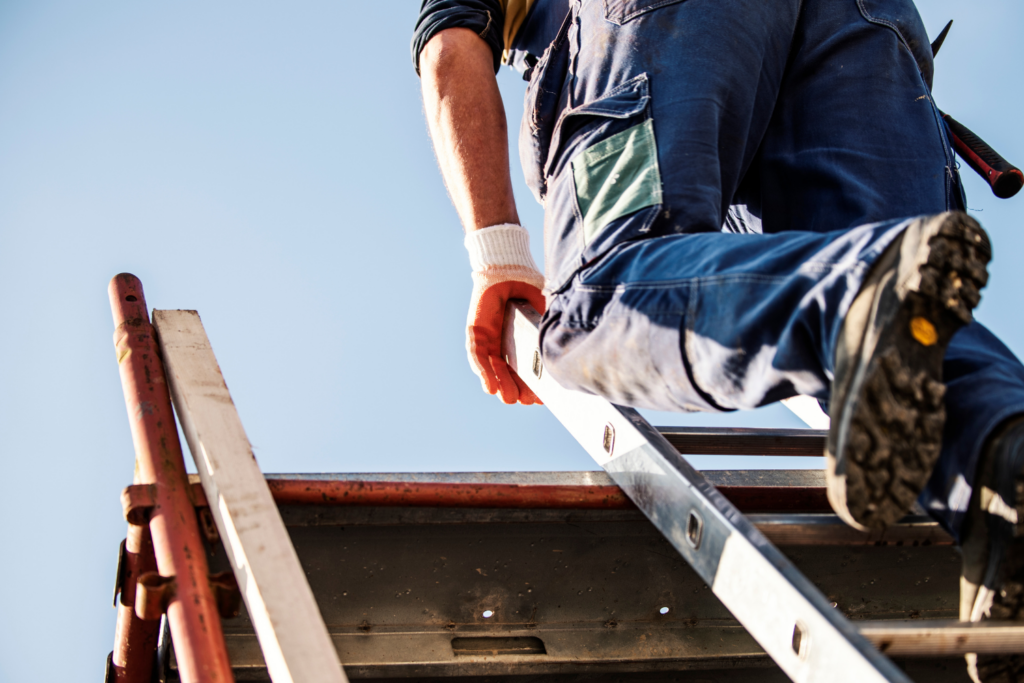
Experienced contractors check hyper-local wind forecasts at roof height, not just general area forecasts, since wind speed increases significantly with height and can vary by several mph between ground level and the roofline. Materials are staged and secured before wind picks up, and any exposed decking is protected with tie-down tarps if a job must pause mid-installation. This kind of planning is part of why hiring a properly licensed and insured roofer matters, since experienced crews know how to read conditions and won’t cut corners on safety to meet a deadline.
Frequently Asked Questions
What wind speed is too dangerous for roofing?
Most UK guidance sets 23 mph, gusting to 35 mph, as the stop-work threshold for slates, tiles, and single-skin sheets, with lighter materials requiring caution at just 17 mph.
Can roofers install shingles in windy conditions?
Only below roughly 15 to 17 mph, since gusts above that range make it difficult to control shingles and increase the risk of improper placement or blow-off.
Is it safe to be on a roof in high wind?
No, sustained winds above 23 to 25 mph significantly increase fall risk due to balance loss, and professional crews are trained to stop work at height once this threshold is reached.
Does wind affect roofing warranties?
Installing materials in unsafe wind conditions can lead to improper fastening, which may affect manufacturer warranties if the installation doesn’t meet specified guidelines.
Planning a Roofing Job? Check the Forecast First
If you have an upcoming roofing project and aren’t sure whether wind conditions are safe to proceed, JW Roofing Solutions can assess the forecast and your specific job requirements before scheduling work. Contact JW Roofing Solutions for a free, no-obligation estimate from a team with over 40 years of combined roofing experience.