Pitched Roofing, Repairs & Re-Roofing in SouthWest London
Slate and tile re-roofing, new pitched roofs and repairs across Balham, Clapham, Wandsworth, Streatham and Tooting, from our base in Balham (SW12). Free, written, no-obligation quotes.
Pitched roof installations and re-roofing in slate or tile for a durable finish.
Done Properly
New battens, underlay, ridges, valleys and flashing, not just a new covering.
Detailed Quote
A written quote that breaks down the work, with no obligation.
re-roofing
40
Years
Combined Experience
Pitched Re-Roofing
New Pitched Roofs & Re-Roofing
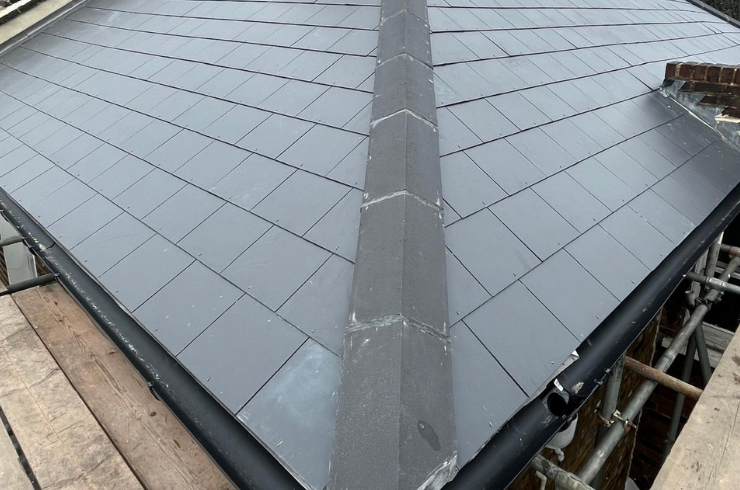
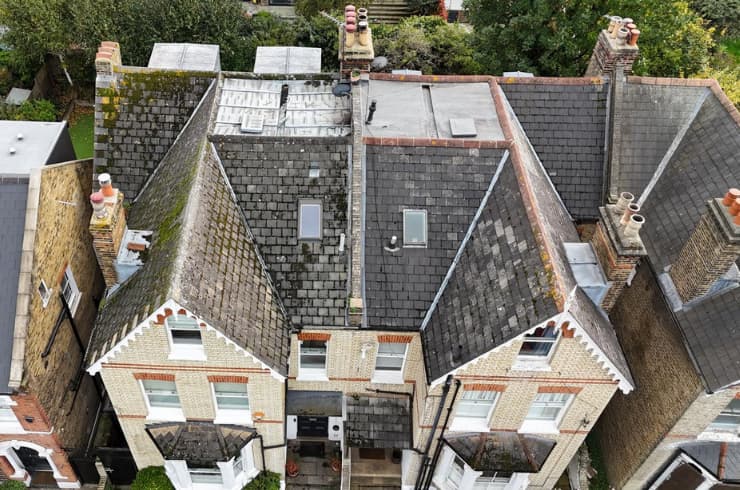
When a pitched roof has reached the end of its life, repeated repairs stop being good value. We repair, re-roof and install pitched roofs in slate and tile across SouthWest London, working from our base in Balham (SW12) on Victorian and Edwardian terraces, semis, detached houses and commercial buildings. Our team brings over 40 years of combined experience.
Not every tired roof needs replacing. Slipped tiles, cracked slates, loose ridges and failed lead flashing can usually be repaired in a day or two, and we will tell you honestly if a repair will do the job. Pitched roof repairs are typically priced per square metre:
A full pitched re-roof on a typical three-bed semi costs £6,500 to £13,000 in 2026, including scaffolding, felt, battens, tiles and ridge work, according to CostToBuild, and London prices run about 35% above the UK average. Our roof replacement cost guide breaks the price down line by line.
Good to know
Slate or tile: which is right for your roof?
Concrete tile
Natural slate
Typical new roof, 3-bed semi
£5,500 to £12,000
£10,000 to £28,000
Cost per m²
About half the price of slate
£160 to £250 per m²
Best suited to
Most post-war houses and tight budgets
Victorian and Edwardian houses that were slated originally, and conservation areas
Prices from CostToBuild’s 2026 guides. In a conservation area, changing the roof material can need planning permission, so like-for-like is usually the simplest route.
What we do
What a re-roof includes
Scaffolding and protection for the house and garden
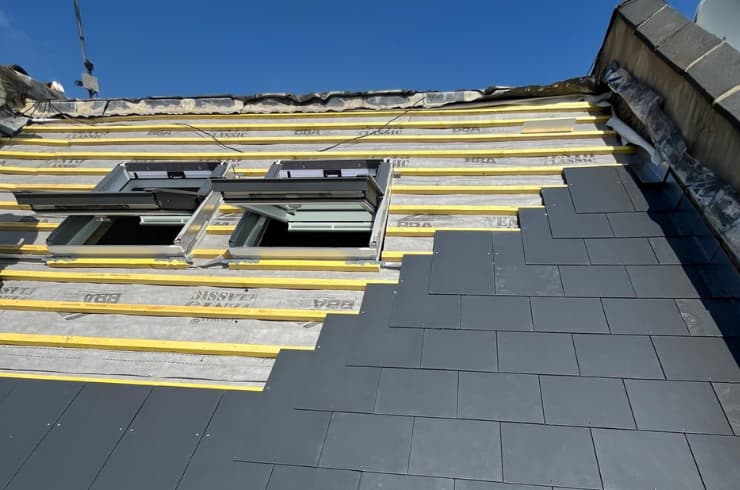
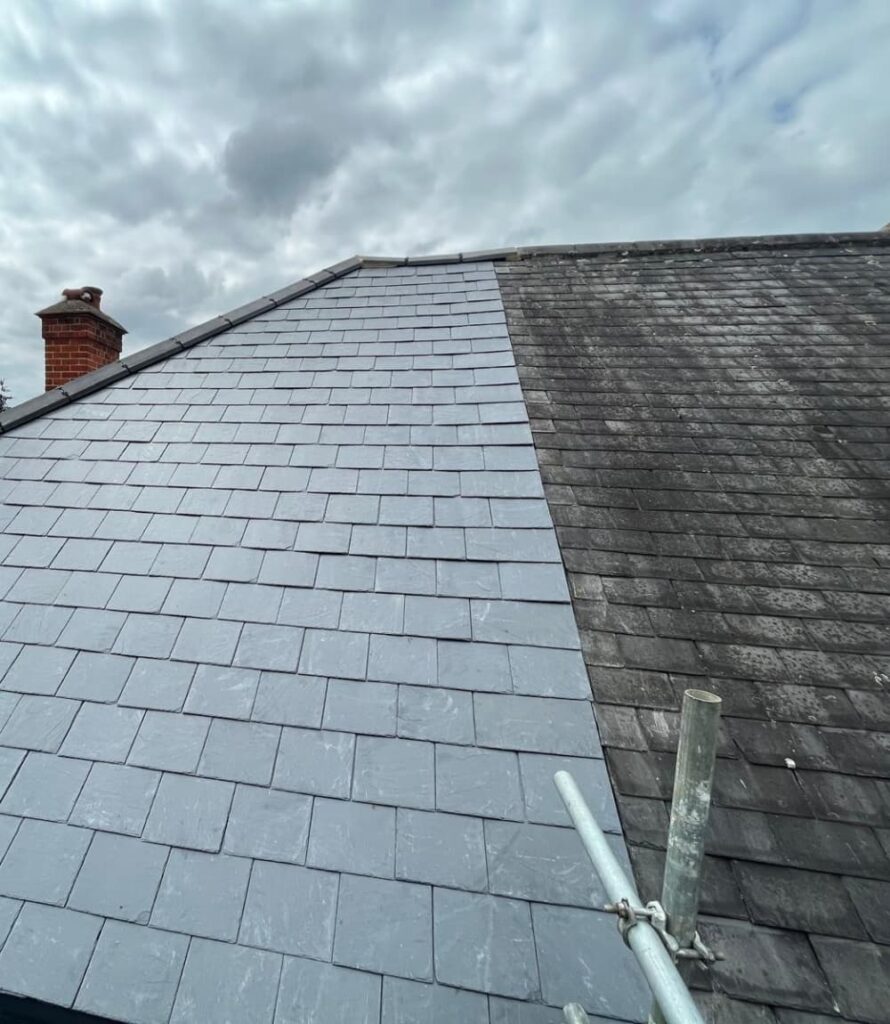
Stripping the old tiles or slates, felt and battens
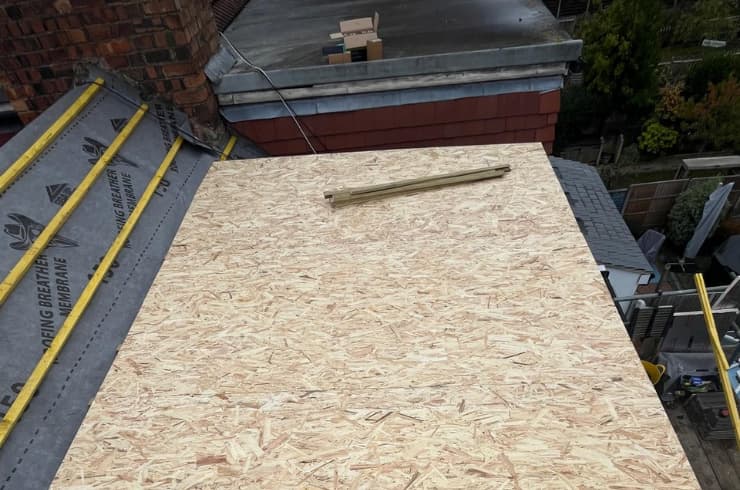
New breathable underlay and new battens
New tiles or slates, fixed to suit the roof pitch
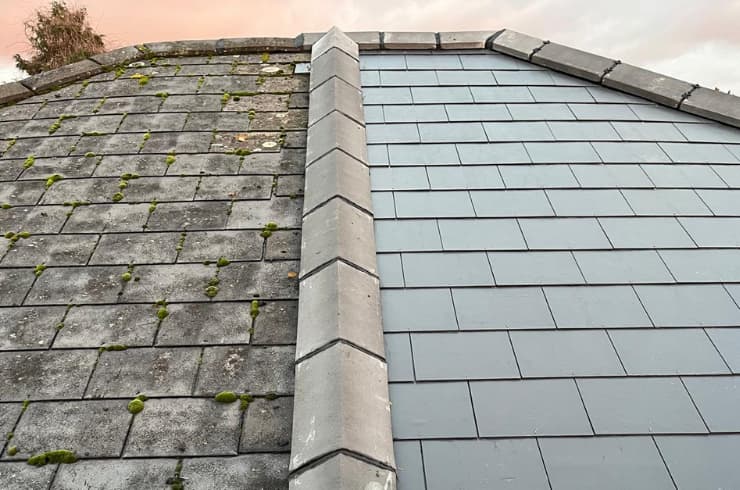
New ridges, hips and valleys
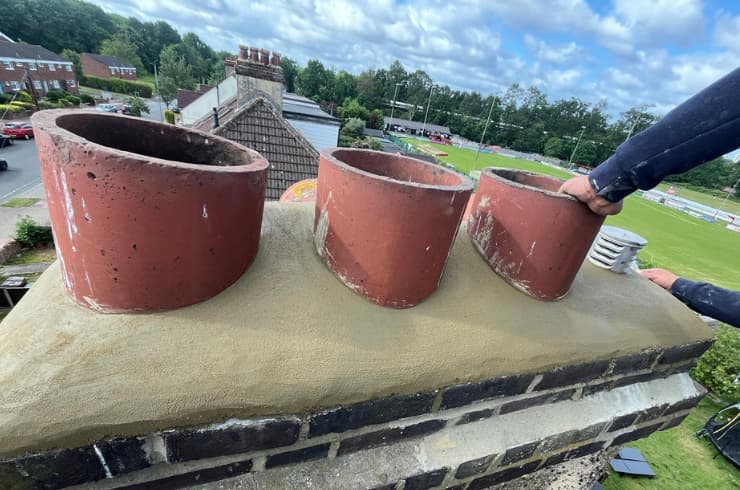
New lead flashing at chimneys and abutments
Old materials removed and the site left clean and tidy
How it works
How long does a re-roof take?
A typical semi-detached re-roof takes about 5 to 8 working days on site, and larger or more complex roofs up to around 12, weather permitting. We agree the programme with you in the written quote before scaffolding goes up.
Widespread slipped, cracked or porous tiles or slates
Recurring leaks in different places
Sagging sections of roof
Underlay or battens that have rotted or failed
A roof that is near or past its expected lifespan
Why choose us
Why Choose JW Roofing for Your New Roof
A new roof is a big decision. We talk you through the options, including materials, give you a detailed written quote and keep you informed throughout the job. On many older SouthWest London homes, matching the original material matters, and we will advise on that too.
Usually not if you are replacing like for like. Changes to the roof’s shape or height, listed buildings and conservation areas can need permission, so check with your local council.
Natural slate costs roughly twice as much as concrete tile, at £160 to £250 per m², but suits Victorian and Edwardian houses that were slated originally. Concrete tile is the lower-cost choice for most other houses; we will explain the options for your roof when we quote.
Pitched roof repairs typically cost £90 to £120 per m² for concrete tiles, £110 to £160 for clay tiles and £150 to £220 for natural slate in 2026, excluding VAT and access. Dry ridge work is about £50 to £70 per metre.
A full re-roof on a typical three-bed semi costs £6,500 to £13,000 across the UK in 2026, and London prices run about 35% higher. Every job gets a written, itemised quote after a site visit.
Repair is usually enough for isolated damage such as a few slipped tiles or a failed flashing. Replacement makes more sense when damage is widespread, leaks keep coming back or the felt and battens have failed.