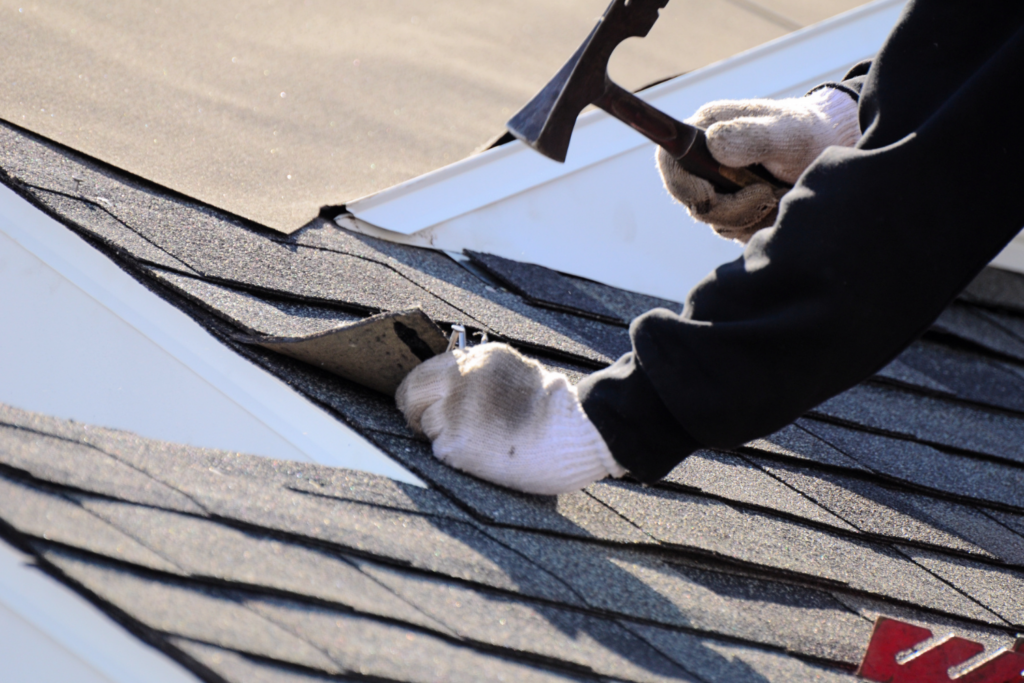
Roofs typically need replacing every 15 to 30 years for asphalt shingles, 40 to 70 years for metal, and 50 to 100+ years for slate or clay tile, with the exact timeline depending on material quality, installation standards, and local climate exposure. In the UK, felt and flat roofing systems common on extensions and older properties usually need replacement every 20 to 30 years, making material type the single biggest factor in your roof’s actual lifespan.
Roof Lifespan by Material
Every roofing material ages differently, and knowing your roof type is the fastest way to estimate when replacement will realistically become necessary.
| Material | Typical Lifespan |
|---|---|
| 3-tab asphalt shingles | 15–20 years |
| Architectural asphalt shingles | 25–30 years |
| Flat roofing (felt, EPDM, TPO) | 20–30 years |
| Metal roofing (standing seam) | 40–70 years |
| Clay or concrete tile | 50–100 years |
| Natural slate | 75–150 years |
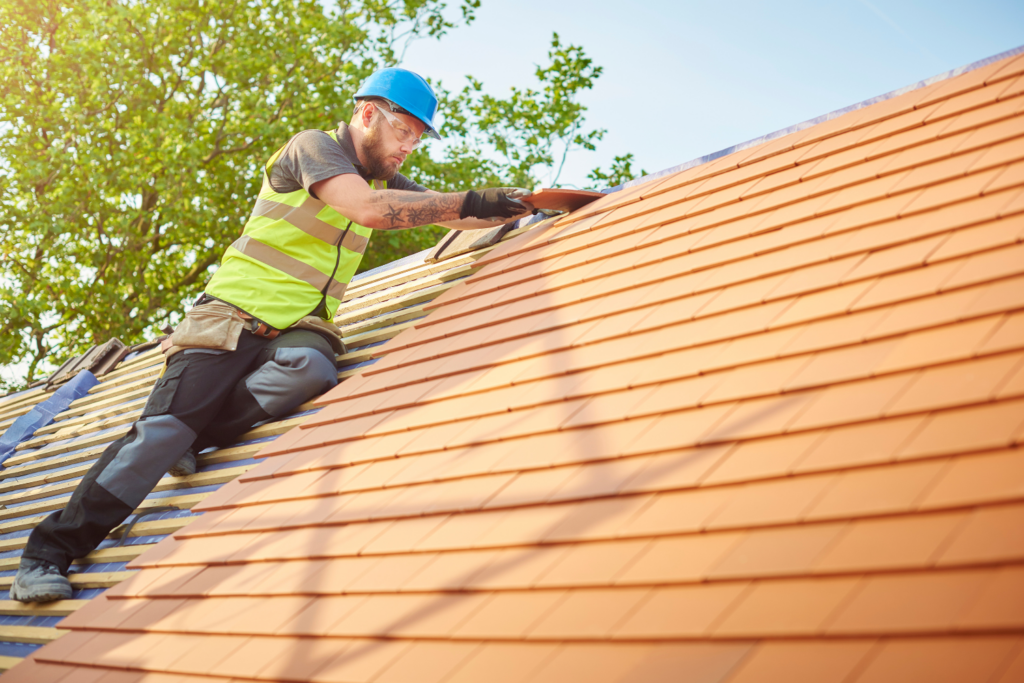
What Shortens a Roof’s Lifespan
Material alone doesn’t determine when a roof fails, since installation quality and environmental stress can cut years off even a premium roofing system.
How Local Climate Affects Replacing Timing
Roofs in wetter, colder climates like the UK tend to age faster than the same materials in drier regions, since constant moisture cycles accelerate material breakdown and encourage moss or algae growth. According to the International Association of Certified Home Inspectors, even premium materials rated for 30-plus years can fail a decade early when ventilation and moisture management are neglected. This is why a professional roof inspection every few years is the most reliable way to catch early wear before it turns into a full replacement.
A roof nearing the end of its lifespan usually shows a combination of visible and hidden warning signs rather than one single symptom.
If more than 25% of the roof is damaged or aging, most professionals recommend full replacement over patch repairs, a threshold explained further in our guide on repair versus replacement decisions.
How to Extend Your Roof’s Lifespan
Routine maintenance can add years to nearly any roofing material, and small preventive steps are far cheaper than early replacement.
The National Roofing Contractors Association recommends professional inspections as the standard benchmark for catching deterioration before it shortens a roof’s expected service life.
Frequently Asked Questions
How long does an asphalt shingle roof last in the UK?
Asphalt shingle roofs typically last 15 to 30 years in the UK, though damp, wind-exposed regions may see wear toward the shorter end of that range.
Can a roof last longer than its average lifespan?
Yes, roofs regularly exceed their average lifespan when properly ventilated, well-maintained, and installed by an experienced contractor using quality materials.
Is 20 years old too old for a roof?
It depends on material: a 20-year-old asphalt roof is likely near replacement age, while a 20-year-old metal, tile, or slate roof still has decades of expected service life remaining.
Does roof color or coating affect lifespan?
Reflective coatings and lighter colors can reduce heat absorption and thermal stress, modestly extending lifespan, especially on flat and low-slope roofing systems.
Not Sure How Much Life Your Roof Has Left?
JW Roofing Solutions can assess your roof’s condition, age, and material to give you an honest recommendation on repair versus replacement, backed by over 40 years of combined roofing experience. Contact JW Roofing Solutions for a free, no-obligation estimate and inspection.