The “25% rule” is a simple way to decide whether a roof can sensibly be repaired or if it has reached the point where replacement is the better option. In plain terms, if less than around a quarter of your roof area is damaged and the rest is in good condition, targeted repairs usually make sense, especially on a relatively young roof. If roughly a quarter or more of the surface is affected or needs altering, a full replacement is often more cost‑effective and can be necessary to stay compliant with modern standards and insurance expectations.
This guide explains what the 25% rule actually means, how insurance and building regulations tie into it, and how age, damage and structure all influence whether you repair or replace. If you are in the service area of JW Roofing Solutions and are unsure where your roof sits on this spectrum, our team can inspect it, estimate the affected area properly, and explain your options in clear, practical terms as part of our wider roofing services.
The 25% rule is a guideline used by contractors, insurers, and in some contexts building regulations to distinguish between localised repair and more fundamental replacement. Think of it as a “tipping point”: if the damaged or altered area is small compared with the whole roof, you are dealing with maintenance; once it becomes a significant chunk of the surface, you are effectively renewing the roof system.
Importantly, this is about area, not just the number of individual tiles. A cluster of broken tiles concentrated in one corner might still be a small percentage, while widespread damage across many slopes can pass the 25% mark quickly. When you are close to or above that threshold, patching can start to cost almost as much as a new roof while still leaving older, weaker sections in place.
Many home insurance policies use a percentage of roof damage (often in the 25–50% range) as a guide when handling storm or impact claims. If damage from a single event affects a small part of a single slope, they are more likely to authorise repair; if a large area or multiple slopes are affected, they may insist on replacing the whole slope or roof to maintain uniform performance and appearance.
In the UK, guidance such as the Planning Portal’s page on work to an existing roof explains that if you are replacing or refurbishing more than a quarter of the roof “envelope” (including coverings, underlay, and insulation), you are generally expected to upgrade thermal insulation to current standards and ensure the work complies with modern regulations. Industry bodies like the National Federation of Roofing Contractors also remind homeowners that larger roof projects may require either building control sign‑off or a contractor registered under a Competent Person Scheme to self‑certify the work.
Repairing is usually the smart choice when:
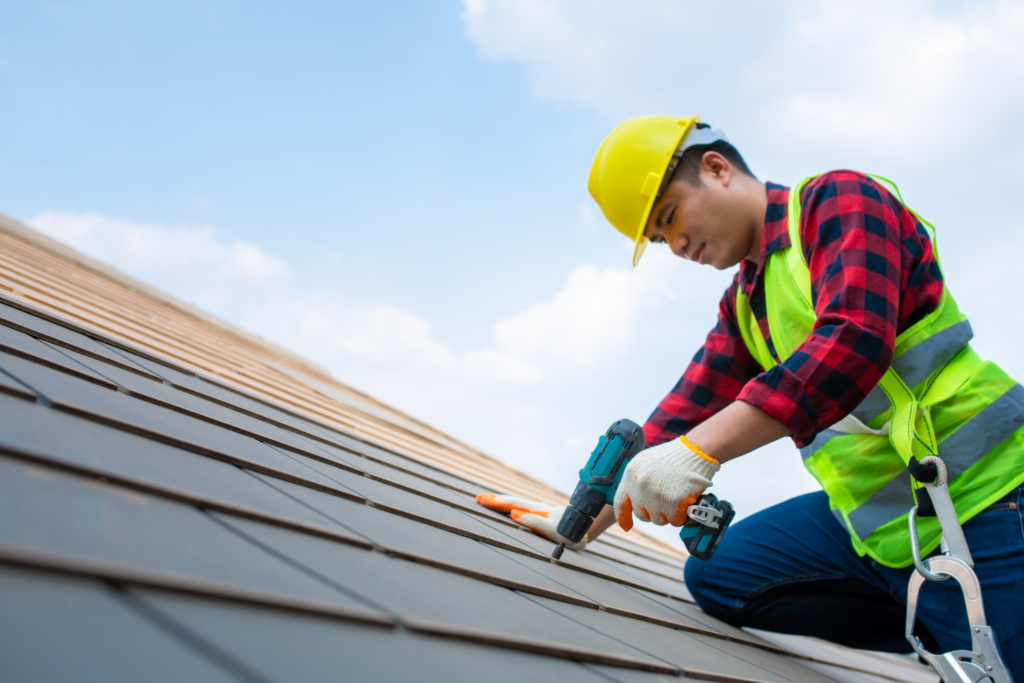
In these situations, a well‑executed repair can restore full weather protection and extend the life of the roof without the expense and disruption of stripping everything back. For homeowners planning to stay only a few more years, or who need a cost‑efficient fix on a generally healthy roof, this approach often gives the best balance between cost and performance.
Replacement becomes the better or necessary choice when:
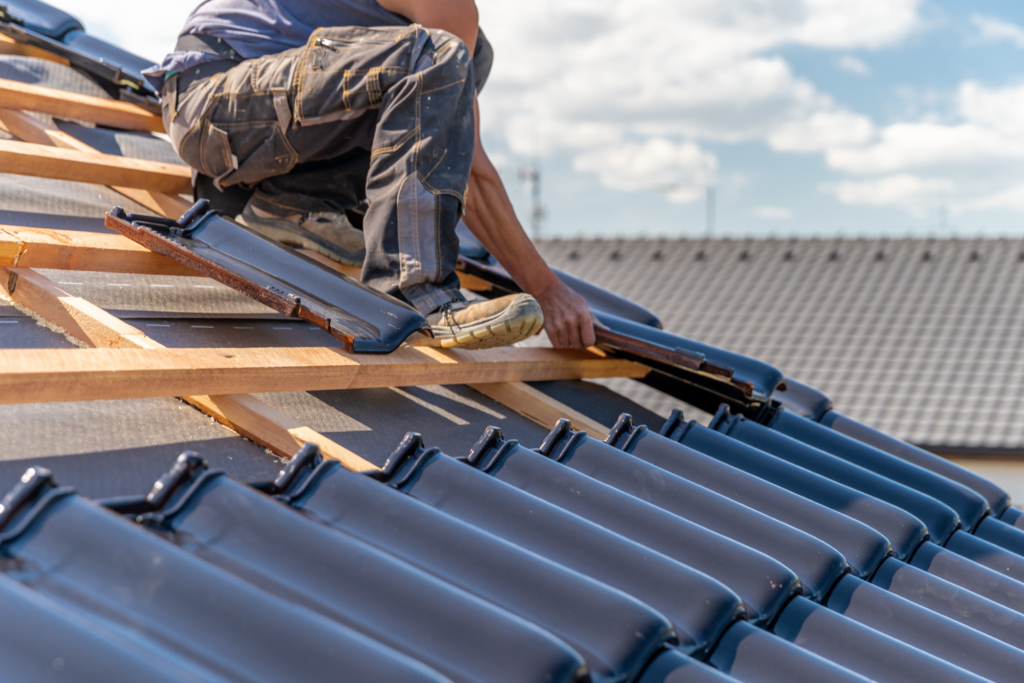
At this point, continuing to patch often means “chasing leaks” around the roof, which can be frustrating and costly. A full replacement allows underlying issues to be addressed, insulation to be upgraded where required to meet current roofing standards, and modern materials to be installed in a systematic way, giving a more reliable long‑term result.
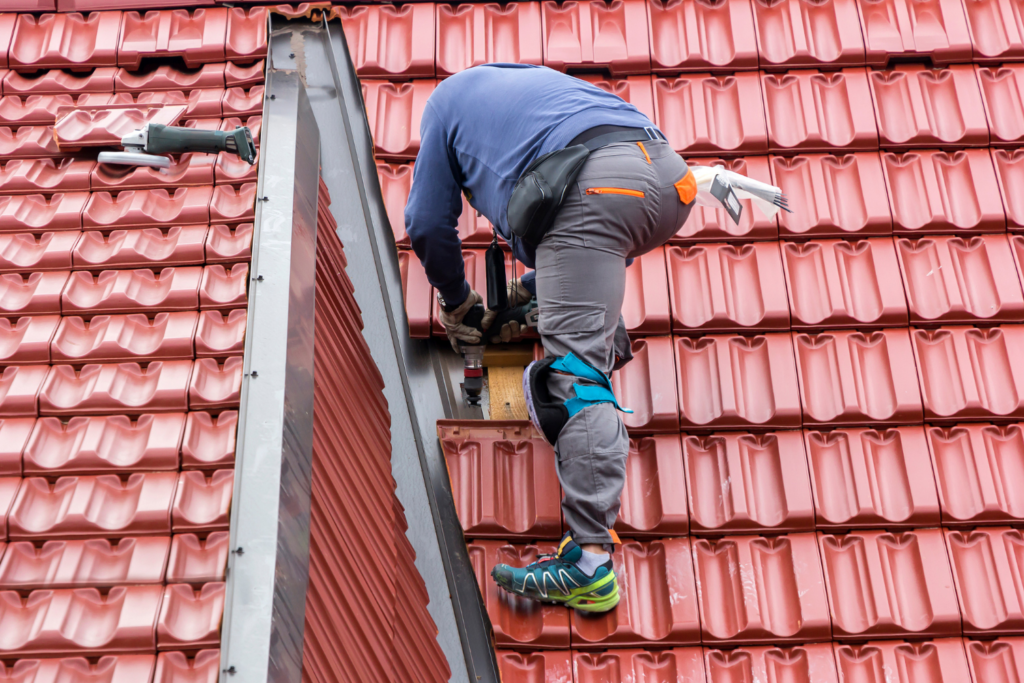
Visually estimating percentages can be tricky from the ground, especially on multi‑slope or L‑shaped roofs. A practical approach is:
Because the 25% rule connects to insurance decisions and building regulations, it is wise to have a professional assess the actual area affected rather than relying solely on guesswork. A reputable local roofer or surveyor will be able to measure or estimate the damaged proportion and explain whether your situation falls clearly into the “repair” or “replace” category.
At JW Roofing Solutions, the 25% rule is used as a guide, not a sales tactic. When inspecting a roof, the first step is to document where the damage is, estimate what proportion of the overall surface it represents, and check how the rest of the roof is ageing. You then get a clear explanation of whether the situation fits a “repair” scenario, a “borderline” situation, or a “time to replace” case, supported by photos where helpful.
If you want to know more about who is carrying out the assessment and our experience with both repairs and full re‑roofs, you can read about our team on the About Us page and explore the kinds of work we handle on our Services page. When you are ready to get a proper opinion on your own roof, you can request a visit or quote through the Contact Us page, then compare our recommendation with guidance from resources like the Planning Portal or NFRC for extra peace of mind.