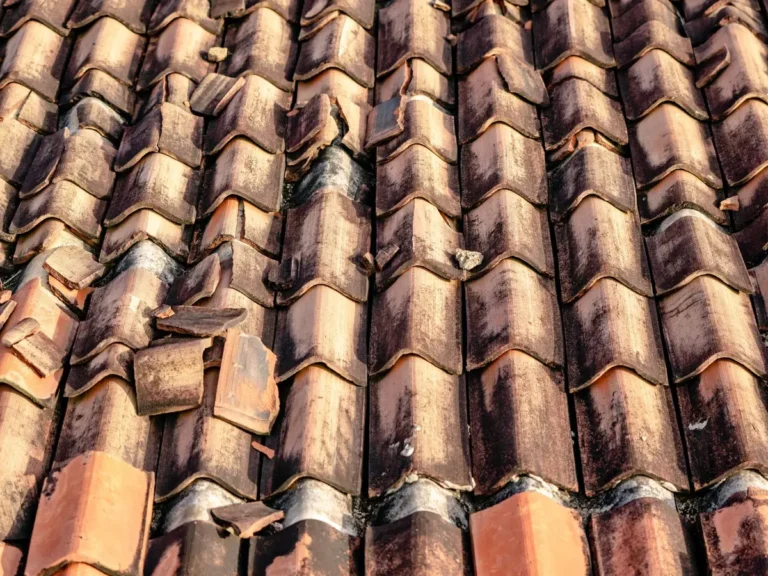


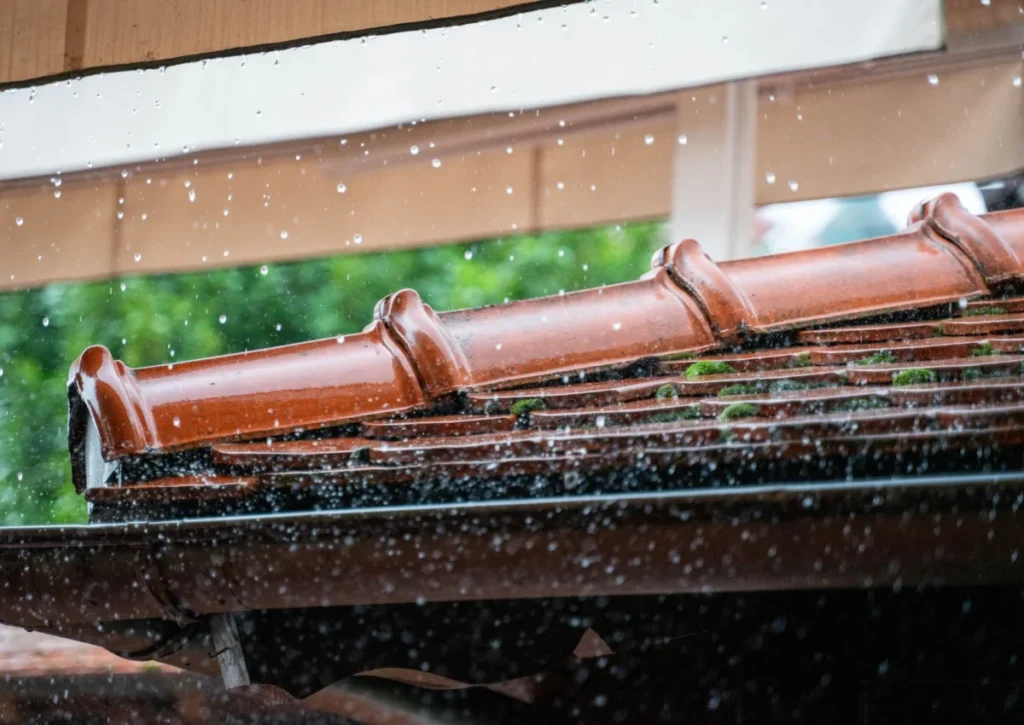
Should roofing felt go into the gutter? Yes. The felt, or a rigid eaves support tray beneath it, should finish inside the gutter so water from under the tiles drains away. NHBC Standards say exposed eaves underlay should be dressed into the gutter, be UV resistant or protected by an eaves guard, and be supported so it cannot sag.
Key facts
- Felt (underlay) is a second line of defence: water that gets past the tiles runs down it and must reach the gutter.
- The old method, felt draped loose over the fascia, sags, rots in sunlight and breaks off at the eaves.
- The modern method is an eaves felt support tray (eaves guard) that carries water into the gutter, with the felt lapped on top.
- Rotten eaves felt can usually be fixed by lifting the bottom few courses, without a new roof.
- Many Victorian roofs were built with no felt at all.
Why Does Roofing Felt Need to Reach the Gutter?
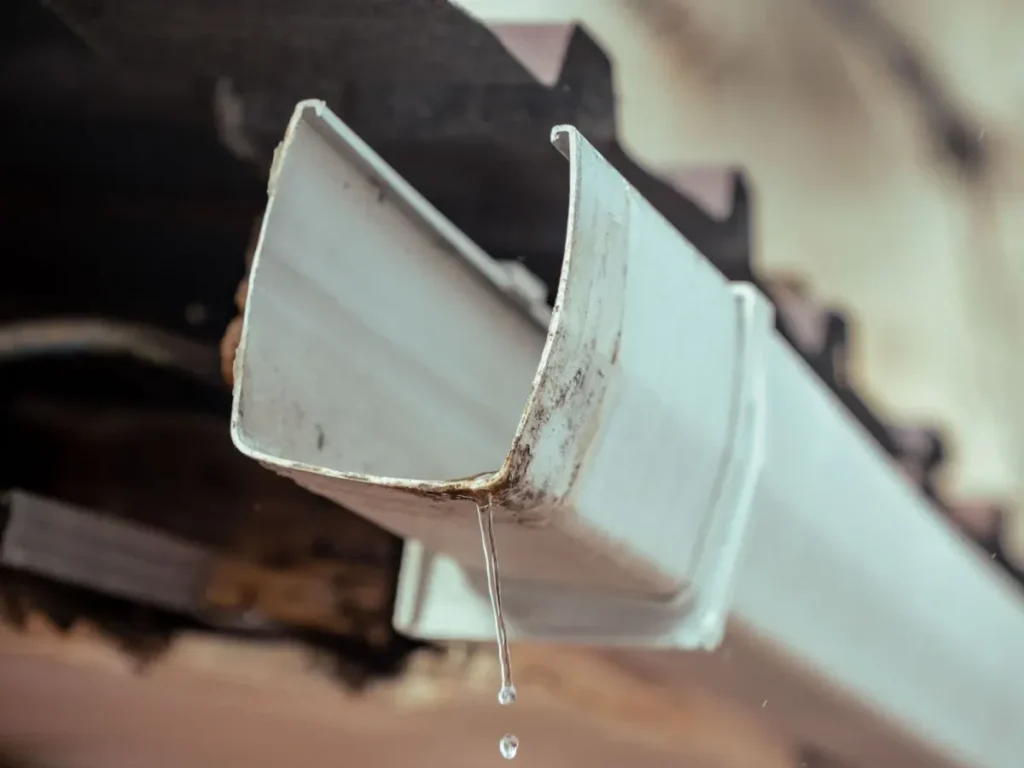
Felt catches water that gets past the tiles or slates and carries it off the roof. If it stops short, that water runs onto the fascia board and rafter ends instead.
Wind-driven rain, snow and the odd cracked or slipped tile will always let some water through. Shefford Chartered Surveyors explain that the liner should continue below the lowest tiles and into the gutters, and that when it degrades in the sun and shrinks back at the eaves, rainwater cannot reach the gutter and the roof timbers and joinery can decay.
The damage happens quietly behind the gutter, so it often goes unnoticed for years. If your gutters are also old or sagging, our guttering service covers repairs and replacement, and it makes sense to check the felt at the same time.
Old Method vs Modern Method: What Is the Right Way?
The right way today is to support the felt at the eaves so it cannot sag, and to make sure any part exposed to daylight is UV resistant or protected by a rigid tray. Draping ordinary felt loose into the gutter is the old method that fails.
The guidance agrees:
- NHBC Standards 2024 say underlay should be supported by a continuous fillet or eaves support tray to prevent sagging that can form a water trap.
- Marley’s underlay fixing guide says a 500mm strip of UV resistant underlay should be supported on a tilting fillet or underlay support tray and dressed down into the gutter.
- Klober says its tray stops the membrane being exposed at the eaves, which leads to long-term degradation, and prevents ponding behind the fascia.
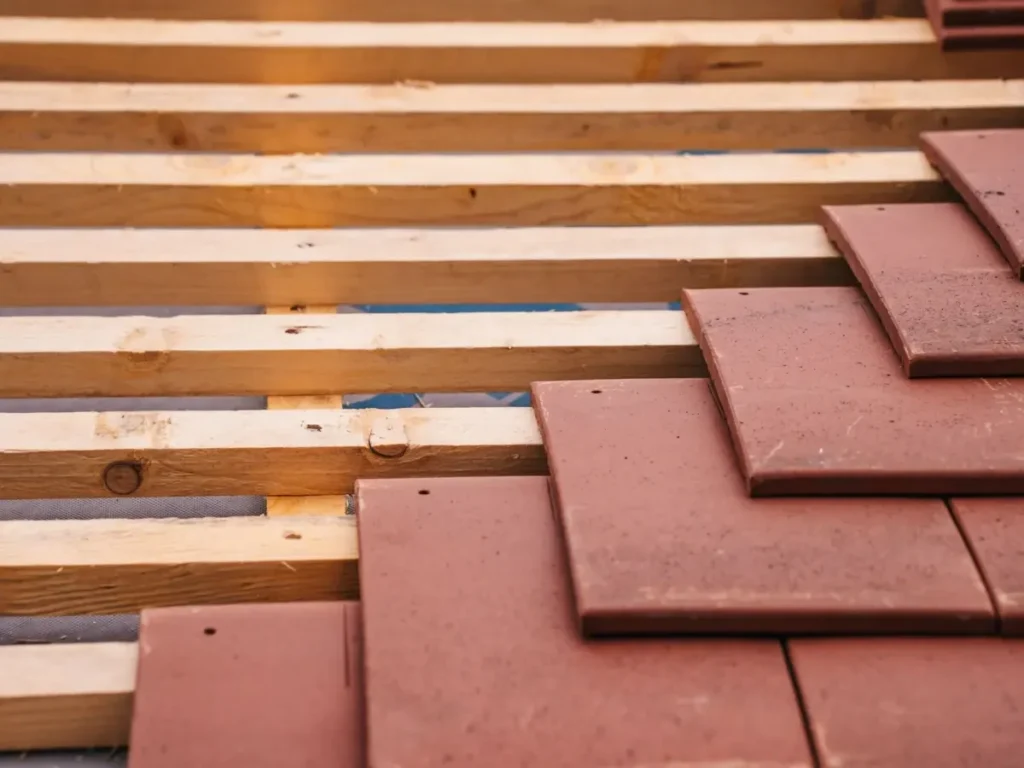
| Eaves detail | How it works | Main weakness | Verdict |
|---|---|---|---|
| Ordinary felt draped over the fascia into the gutter (old method) | Felt hangs loose into the gutter | Sags between rafters, holds water, rots in sunlight and breaks off at the fascia | Common on older roofs, not recommended today |
| UV resistant underlay strip on a tilting fillet, dressed into the gutter | A 500mm UV resistant strip is supported so it cannot sag | Still exposed to the weather where it enters the gutter | Acceptable when fitted to the manufacturer’s guidance |
| Eaves felt support tray (eaves guard) | A rigid plastic tray over the fascia carries water into the gutter, with the felt lapped onto it | Must be fitted under the bottom tiles, so the lower courses have to come off | The best option for most repairs and re-roofs |
| No felt at all (many pre-1900s roofs) | Tiles or slates are the only barrier | Any water that gets past the tiles goes straight into the loft | Underlay is normally added when the roof is re-covered |
European Plastics, which makes these trays, explains why the old method fails: felt is most vulnerable at the eaves, where it sags and water collects (ponding), and over time this makes it rot and rupture. With a tray fitted, the felt finishes before the fascia and is not exposed at all. The guide also notes that lightweight modern underlays are not suitable for forming a drip into the gutter.
How Far Should Roofing Felt Go Into the Gutter?
The felt or tray only needs to reach into the gutter far enough to drip cleanly inside it, not lie in the bottom of it. Roofing Megastore’s installation guide says the bottom edge of an eaves felt support tray should extend halfway into the gutter.
The tiles themselves should overhang too. NHBC Standards say tiles should project at least 50mm across the gutter. Felt pushed right down into the gutter, or trapped behind it, sits in water, blocks the flow and rots faster.
Which Way Should Roofing Felt Be Laid?
Roofing felt (underlay) on a pitched roof is laid horizontally, parallel to the eaves, starting at the bottom and working up the roof. Each row overlaps the one below, so water runs over the laps and down into the gutter rather than into them. The LABC Warranty Technical Manual says underlay should be laid parallel to the eaves or ridge, with side laps of at least 100mm and a drape between rafters of about 10mm, and no more than 15mm, so water drains freely. IKO puts it simply: horizontal overlaps must be created to shed water out and down the slope.
| Rafter pitch | Underlay not fully supported | Underlay fully supported |
|---|---|---|
| 12.5° to 15° | 225mm | 150mm |
| 15° to 35° | 150mm | 100mm |
| 35° and above | 100mm | 75mm |
The first row starts at the eaves. Marley’s sitework guide says to lay the underlay over a support tray stopped about 25mm from the top of its curved front edge, set back from the weather and lapped onto a UV stable tray or eaves felt. IKO says an eaves strip should overhang into the gutter by at least 50mm, or to the centre line of the gutter, without sitting in the gutter itself, where it can obstruct the flow.
Laid the wrong way, with upper rows tucked under lower ones, water runs into the laps instead of over them and ends up on the battens and rafters. If you are having a roof replaced, ask how the underlay will be lapped and finished at the eaves; it is a fair question for any re-roofing quote.
What Are the Signs the Felt Has Rotted at the Eaves?
Most signs can be seen from the ground, an upstairs window or the loft:
- Black, brittle or torn strips of felt hanging in the gutter or flapping under the bottom row of tiles
- Daylight or a gap between the bottom tiles and the gutter, with no felt or tray visible
- Damp, dark stains, flaking paint or soft spots on the fascia board, especially on the back face if you can see it
- Water marks or rot on the rafter ends and wall plate when you look into the eaves from the loft
- Pieces of felt in the gutter after cleaning, or a gutter that overflows even when it is clear
If you have your gutters cleaned, ask for old felt to be left alone. If you can’t see the eaves safely, a drone roof survey can show the condition of the eaves without anyone climbing up.
Can Rotten Felt at the Eaves Be Fixed Without a New Roof?
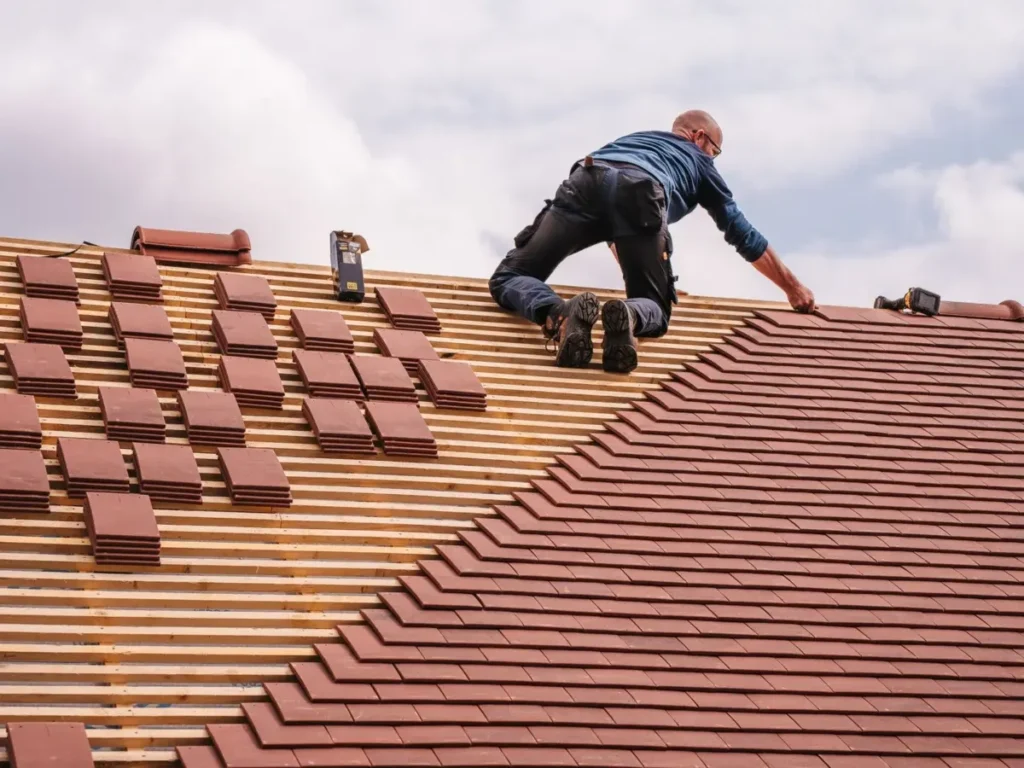
Yes, in most cases. If the rest of the felt is sound, a roofer can strip back the bottom few courses, fit an eaves felt support tray under the old felt and relay the tiles. Klober describes its tray as an easy to install, economic replacement for rotting underlay at eaves. A typical eaves repair goes like this:
- Lift the lower courses. The bottom two or three rows of tiles or slates and the eaves batten are carefully removed and set aside for reuse.
- Cut back the rotten felt. The perished strip is trimmed back to sound material.
- Check the timbers. The fascia, rafter ends and wall plate are checked for rot and repaired where needed.
- Fit the support tray. Any fascia vent goes on first. The tray is then fixed over the fascia into the rafters with corrosion-resistant nails, with lengths overlapped by 100mm, as Klober’s installation guidance sets out.
- Lap the felt over the tray. The existing felt, or a new strip of UV resistant underlay, is laid over the tray so water runs down it into the gutter.
- Relay the tiles. The batten and tiles go back on, with the bottom course overhanging the gutter.
Klober recommends a tray whenever fascia boards are replaced, so new fascias or gutters are the cheapest moment to sort the eaves felt too.
Felt hanging out of your gutter, or none there at all? JW Roofing Solutions inspects and repairs roofs across SouthWest London, traces leaks to their source and will tell you honestly whether an eaves repair is enough. Call +44 7467 800002 or get a free, no-obligation quote.
Eaves Repair or Re-Roof: Which Do You Need?
An eaves repair is enough when the problem is limited to the bottom edge of the roof. A re-roof makes more sense when the felt is failing everywhere. Use this as a guide:
| What you find | Likely fix | Typical UK cost guide |
|---|---|---|
| Felt rotted only at the eaves, timbers sound | Lift lower courses, fit eaves support tray, relay tiles | Small felt patch repairs from around £200 (Checkatrade) |
| Eaves felt rotted and rafter ends soft | Eaves repair plus rafter end repairs | Rafter end repairs about £50–£100 per rafter (MyBuilder) |
| Fascias and soffits rotten as well | New fascias and soffits with a support tray fitted at the same time | Full soffit and fascia installation £1,000–£4,000 (MyBuilder) |
| Felt brittle and torn across the whole roof, leaks in several places | Strip and re-felt, new battens, relay or replace tiles | Full roof felt replacement £2,000–£7,300 (Checkatrade) |
| Two-storey house needing scaffold access | Adds to any of the above | Scaffolding £400–£950 (MyBuilder) |
These are national guide prices from the sources linked, not JW Roofing Solutions prices, and London jobs often sit at the higher end. Checkatrade puts the typical life of traditional felt under tiles at around 20 to 30 years, so if your felt is that old and failing in several places, patching the eaves may only buy time. Our guides to roof repair vs replacement and roof tile replacement costs explain how to weigh it up.
What If an Old London House Has No Roofing Felt?
Then there is nothing to go into the gutter, and that is normal for its age. Historic England explains that roofing underlays date from the early 20th century. Before then, slates and tiles were mostly left exposed underneath, sometimes “torched” with lime mortar or laid on boards.
Historic England adds that black bitumen felt (BS 747 Type 1F) was the most widely used underlay until the late 1990s, has since been largely replaced by synthetic membranes, and that underlay is now usually added to old roofs when they are re-tiled or re-slated. On SouthWest London’s Victorian and Edwardian terraces you will find all three. A roof with no felt is not a problem in itself if the slates are sound. If they are starting to slip, see our guide to slipped slate repair.
Can You Fix Felt at the Eaves Yourself?
You can check it yourself from the ground, a window or the loft, but the repair is a roofing job. Checkatrade is clear that replacing felt under roof tiles isn’t a DIY job, because tiles have to be lifted and relaid at height.
On a low garage or extension, a capable DIYer may manage it. On a house, use a roofer, and ask:
- Will you fit an eaves felt support tray, or just a new strip of felt?
- Is the strip that is exposed at the eaves UV resistant?
- Will you check the fascia and rafter ends while the tiles are off, and photograph anything you find?
- Is scaffolding included in the written quote?
Moss washed off the roof is one of the most common reasons gutters back up into the eaves; see our roof moss removal cost guide for when it is worth clearing.
Frequently Asked Questions
Which way should roofing felt be laid?
Horizontally, parallel to the eaves, starting at the bottom so each row overlaps the one below and water sheds down the slope into the gutter. Under BS 5534 the head lap is usually 100mm to 150mm on a typical 15 to 35 degree roof, and side laps at least 100mm (LABC Warranty).
Should roofing felt hang into the gutter?
Yes, the felt or an eaves support tray under it should finish inside the gutter. NHBC Standards say exposed underlay at the eaves should be dressed into the gutter and supported so it cannot sag.
What is an eaves felt support tray?
A rigid plastic tray fixed over the fascia board at the eaves. The felt laps onto it and the tray carries water into the gutter, so the felt is not left sagging or exposed to sunlight.
Is it a problem if roofing felt stops short of the gutter?
It can be. Water from under the tiles runs behind the gutter onto the fascia and rafter ends, causing rot over time. The usual fix is an eaves support tray.
Can rotten felt at the eaves be repaired without replacing the roof?
Usually, yes. A roofer lifts the bottom few courses, cuts back the rotten felt, fits a support tray and relays the tiles. A re-roof is only needed when the felt is failing everywhere.
Should a breathable membrane go into the gutter?
Only the part at the eaves, and it must be protected. Marley recommends a 500mm strip of UV resistant underlay, supported on a tilting fillet or support tray and dressed into the gutter, rather than leaving ordinary membrane exposed.
Roofing Felt and Gutter Repairs in SouthWest London
If the felt at your eaves has rotted, is missing or stops short of the gutter, JW Roofing Solutions can inspect it and explain your options in plain English. If an eaves repair will do the job, we will say so, and you will get a clear, written, itemised quote with no obligation. Call +44 7467 800002, get in touch online, or read more about our guttering and roof repairs. For gutters that are past saving, see our guide to gutter repair vs replacement.
We work across London from our base in Balham (SW12), and our core areas each have a local page: roofers in Clapham, roofers in Streatham, roofers in Tooting and roofers in Wandsworth.
Need help with your roof? JW Roofing Solutions provides guttering and roof repairs in SouthWest London. Get a free, no-obligation quote.