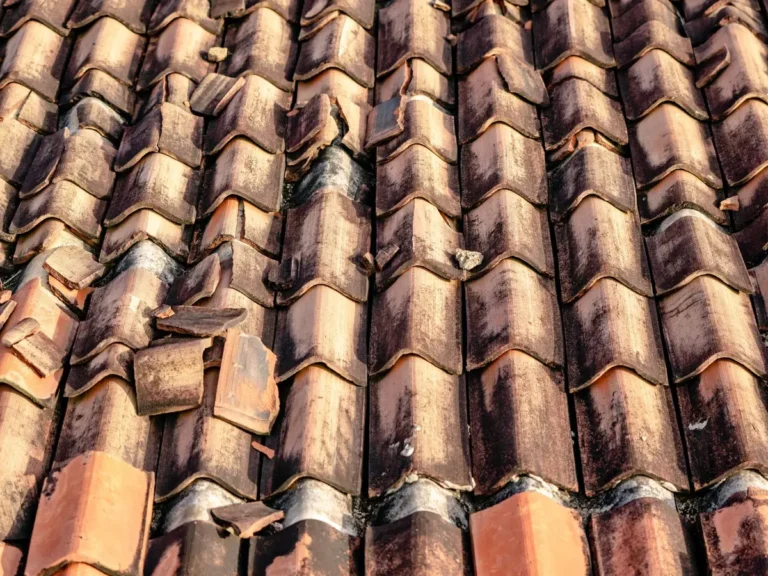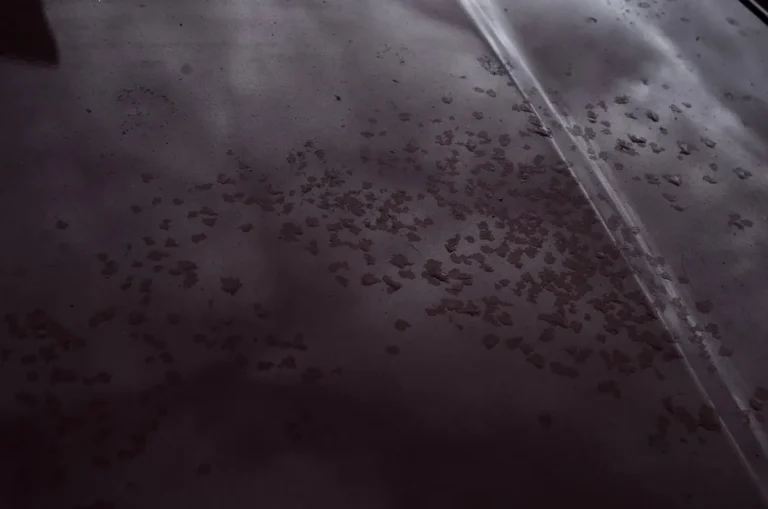


Flat roof blistering is when trapped air or moisture lifts the waterproof layer into a bubble, usually on hot days. A small, firm blister with an unbroken surface and no leak below can normally be left and watched. Blisters that are split, soft, growing, near a seam or on a roof that already leaks need a proper repair.
Key facts:
- Roofing research summarised in Professional Roofing (NRCA, 2024) found that blisters contain almost only air and water vapour, and that they inflate in daytime heat and deflate as the roof cools at night.
- Bitumen used in felt roofs softens above about 60°C, which weakens the bond between layers on a hot, dark roof.
- Government maintenance guidance says blisters are caused by water vapour pressure below the roof covering, and that the source of the moisture should be traced and fixed, not just the blister.
- The same NRCA article advises considering leaving a closed blister alone, and repairing it if it has opened, shows fatigue cracks or sits in a high-traffic area.
- A roofer’s patch for a split, blister or small hole in a felt roof typically costs £150 to £450, about £280, according to a UK price guide updated in November 2026.
This guide explains what causes blisters on felt, rubber (EPDM), liquid and fibreglass (GRP) roofs, how to tell a harmless blister from a serious one, whether you should cut one open, and when a repair or a new roof makes more sense. If you would rather have someone look at it, our flat roofing team inspects and repairs flat roofs across SouthWest London.
What Causes Flat Roof Blistering?
A blister needs two things: a small gap in the roof layers and a change in temperature. When the sun heats the roof, the air and moisture in that gap expand and push the membrane up into a dome.
The gap is usually created when the roof is laid. Even on a well-run job, skips in the bitumen, debris or uneven bonding leave small voids between the layers or between the membrane and the deck. IKO, a major UK felt manufacturer, notes that air pockets left by poor bonding of a torch-on cap sheet may not be visible at installation and only show as blisters on warmer days.
Moisture makes it much worse. The NRCA article explains that, kilo for kilo, water vapour is about twice as powerful as dry air at pressurising a blister. That moisture can come from:
- A damp deck or rain during laying. Hot bitumen applied over a wet surface turns the water to vapour, which stops the layers bonding.
- Warm, moist air from the room below. Kitchens, bathrooms and bedrooms under a poorly ventilated flat roof push vapour up into the roof build-up, the same process behind condensation under roofing felt.
- Small leaks. Water getting in at a split, lap or upstand can feed a blister from above.
- Standing water. Ponding on a flat roof keeps the surface wet and finds any weak lap or crack, so blisters often appear around puddles.
Are Blisters on a Flat Roof Serious?
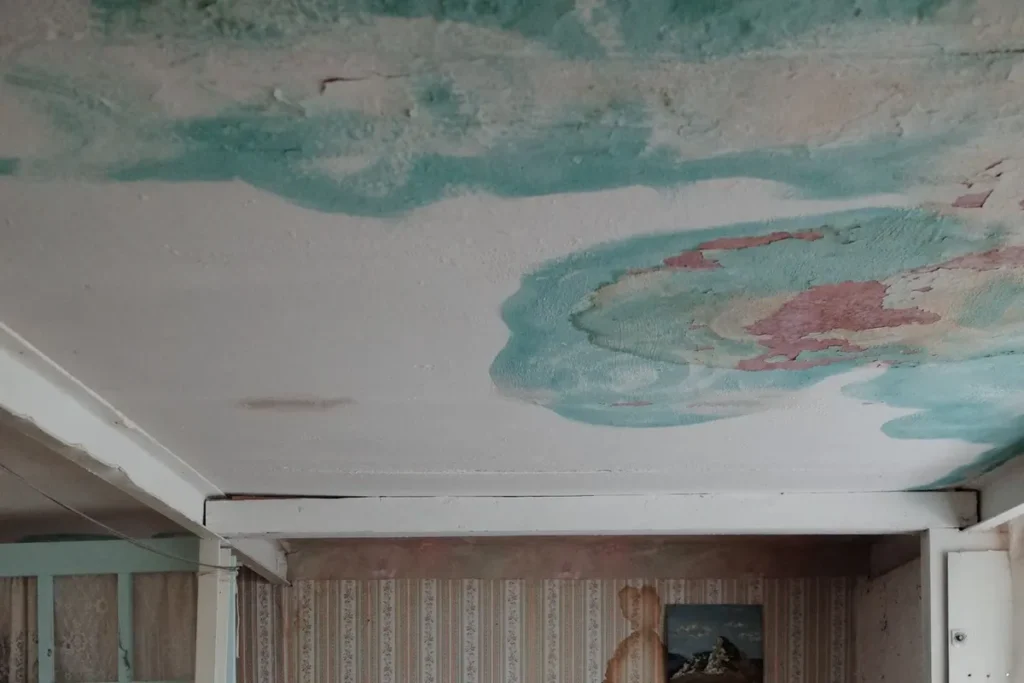
Usually not at first. A closed blister with a sound surface is still waterproof. It becomes serious when it splits, when the surface around it cracks, or when it is a symptom of wet insulation or a failing roof.
Each hot day stretches the blister a little, and each cool night lets it draw in more air and vapour, so a blister can slowly grow over several summers until the membrane fatigues and cracks. Use this table to judge what you are looking at:
| What you see | What it usually means | What to do |
|---|---|---|
| One small, firm blister, surface intact, no leak inside | Trapped air or vapour, currently stable | Leave it, photograph it and check again after the next hot spell |
| Blister that is bigger each summer | The void is growing with each heating cycle | Ask a roofer to look at it at the next visit |
| Blister that is split, cracked or worn through to the reinforcement | Water can now get into the layers | Have it repaired soon, before winter rain |
| Blister on a lap, seam, edge or upstand | The bond is failing where water most easily gets in | Repair, as these areas leak first |
| Soft or spongy area around the blisters | Wet insulation or a damp, possibly rotting deck | Get the roof inspected; a section may need re-covering |
| Many blisters spread across the roof | Widespread loss of bond or an old, tired covering | Patching will not last; plan a re-cover or new roof |
| Damp patch or stain on the ceiling below | An active leak, which may or may not be the blister | Book a leak-tracing repair quickly |
How Can You Check a Blister Safely?
You can learn most of what a roofer needs to know without stepping onto the roof. Many flat roofs are not built to be walked on, and pressing on a blister can split it, so check from a window, a safely footed ladder at the edge, or from below.
- Look from a safe spot. An upstairs window often gives a clear view of a rear extension or dormer roof. Read our guide on whether you can walk on a flat roof before going any further.
- Photograph it with something for scale. A coin or tape measure in shot lets you compare its size next month or next summer.
- Compare morning and afternoon. A blister that rises in the sun and settles in the evening is behaving like trapped air or vapour, which is normal for a closed blister.
- Look closely at the surface. Cracks, a split, missing mineral chippings or visible fabric reinforcement mean it is no longer watertight.
- Check the ceiling underneath. Stains, bubbling paint or a musty smell under the blistered area point to water getting in.
- Recheck after heavy rain and a hot spell. Send the dated photos to your roofer. They show far more than a description over the phone.
Why Do Felt, EPDM, Liquid and GRP Roofs Blister Differently?
Every flat roof covering can blister, but the cause and the right fix depend on the material. Using the wrong repair product is a common reason patches fail.
| Roof covering | Why it blisters | Will it settle? | Usual fix |
|---|---|---|---|
| Torch-on or built-up felt | Voids between layers, moisture trapped during laying, bitumen softening in heat | Rarely; felt is not fully elastic, so blisters tend to stay or grow | Cut, dry, re-bond and patch with compatible felt; re-cover if widespread |
| EPDM rubber | Moisture from water-based adhesive, solvent from contact adhesive that had not flashed off, or a damp deck | Often; water-based adhesive bubbles usually fade as the moisture escapes | Wait, then press down; peel back and re-bond with EPDM products if it persists |
| Liquid-applied coatings | Moisture in the surface when the coating was applied, or air escaping from porous concrete | Not usually once cured | Cut out the blistered area, let it dry and recoat to the maker’s instructions |
| GRP fibreglass | Moisture trapped in the layers during construction, or laying in the wrong weather | No | Grind out, dry and re-laminate the affected area |
A few details matter here. Felt roofs suffer most because they are built from several bonded layers, and Cooksons Consultancy notes that built-up membranes may not return to their original shape once stretched. Modern felt systems reduce the risk with partially bonded underlays: IKO’s Ultra H-A underlay, for example, bonds over 40% of its area to let vapour disperse and so reduce blistering from trapped vapour.
For liquid coatings, Sika’s troubleshooting manual warns that a coating applied in winter over a damp surface may not blister until the following summer, when rising temperatures draw the moisture out. For GRP, LABC Warranty stresses that it is critical to keep areas dry during construction so moisture is not trapped in the layers. If you are choosing a covering, our comparison of EPDM vs GRP vs felt covers the pros and cons of each.
Should You Cut Open a Flat Roof Blister?

Not if it is closed and the roof is not leaking. Many online answers tell you to slice an X into every blister, but a closed blister is still keeping water out. Cutting it without a proper patch opens a path straight into the layers.
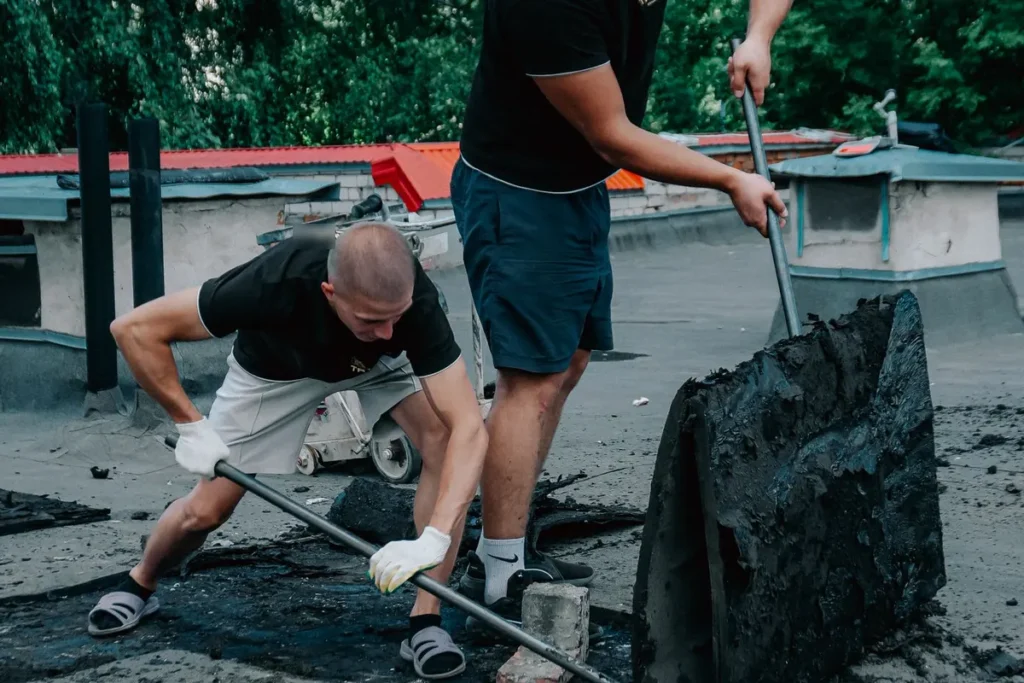
When a blister does need repairing, the method set out in the government checklist is to cut it, let any trapped moisture escape, re-bond it to the underlay, and then trace and fix the source of the moisture. On a felt roof that normally means drying the area thoroughly, bonding the cut flaps back down and laying a new piece of compatible felt over the top with a generous lap onto sound material. On EPDM the repair uses rubber primer and EPDM patches rather than bitumen products.
Is there anything you can do yourself? On a ground-floor garage or shed roof, a self-adhesive flashing tape (around £15 to £17 for a 10 m roll) can hold a small split until a roofer arrives. Treat it as temporary. Torch-on felt work is hot work that belongs with trained roofers, and anything on a first-floor roof needs safe access equipment.
Not sure whether your blisters can be left? Get in touch or book a free, no-obligation quote. We will tell you honestly if they are fine to leave, and if a repair is needed you will get a written, itemised quote before any work starts.
Should You Repair or Replace a Blistered Flat Roof?
Repair if the blistering is in one or two places and the deck is firm and dry. Replace or re-cover if blisters are spread across the roof, the deck feels soft, or the roof is near the end of its life.
One UK price guide suggests a repair usually makes sense when the roof is under about 10 to 15 years old with a firm, dry deck, and that a felt roof over about 20 years old, a soft deck or leaks returning in different places point to a new roof. It also notes that a felt patch on a sound roof lasts around 3 to 7 years, but only 1 to 2 years on an ageing roof. Published 2026 prices look like this:
| Situation | Usual answer | Typical 2026 UK price |
|---|---|---|
| One or two blisters on a sound felt roof | Patch repair | £150 to £450 (Less); £150 to £400 for a minor patch or blister repair (BestBuilders) |
| Blistered area of felt up to about 10 m² | Re-cover that section | £400 to £1,500 |
| Debonded or split EPDM | Local re-bond and patch | £200 to £400 |
| Blistered or cracked GRP | Local repair | £225 to £525 |
| Widespread blistering, soft deck or old felt | New roof | About £60 to £100 per m² in felt |
Figures without a separate link come from the Less.co.uk guide. They are published averages from UK roofers, not our prices, and access, rotten decking and VAT can all change the total. Our guide to flat roof repair goes into the repair options in more detail.
Why Do So Many London Flat Roofs Blister?
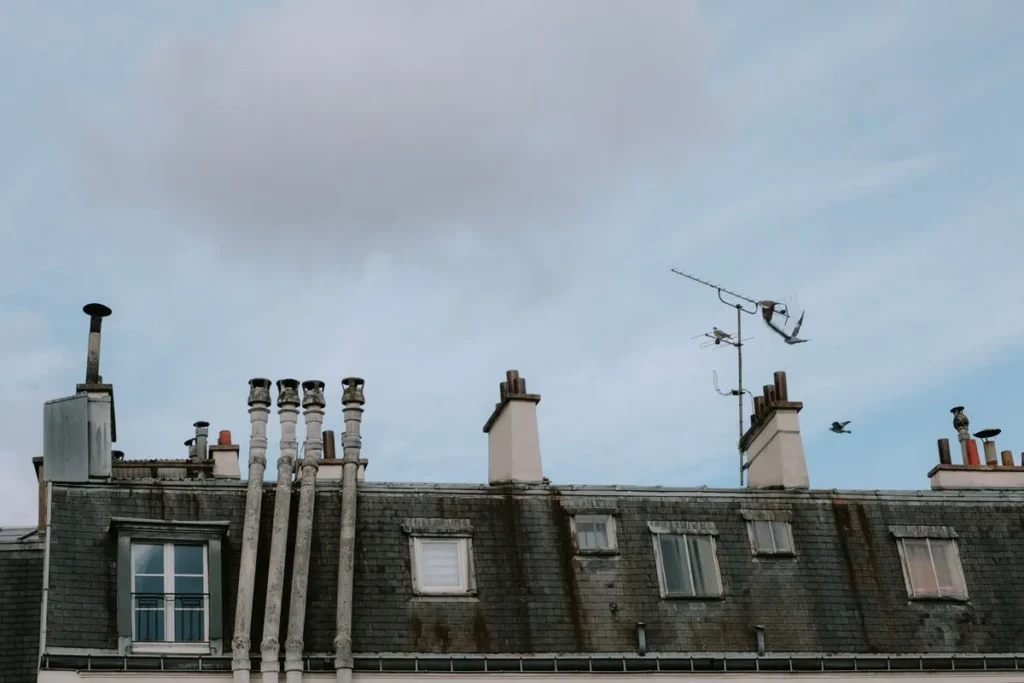
Because so many period homes have small flat roofs added over the years, often as cold roofs with a kitchen or bathroom underneath. Walk behind almost any Victorian or Edwardian terrace in Balham, Clapham, Wandsworth, Streatham or Tooting and you will see flat roofs on rear extensions, dormers and bay windows.
Many of these were built as cold roofs, with insulation between the joists and a void that relies on ventilation. When that ventilation is poor, moist air from below reaches the underside of the felt. Standards have moved on: LABC Warranty, for example, states that cold deck flat roofs over 3 m² are no longer acceptable on its warranty projects. Older roofs have also often been overlaid with a new layer of felt rather than stripped, and many roofers prefer to strip back because a new layer can trap damp and hide problems in the deck.
Add south-facing extension roofs that bake in summer sun, and it is no surprise that blistering is one of the most common things homeowners notice on these roofs.
How Do You Stop a Flat Roof Blistering Again?
Fix the cause, not just the bubble. A patch over a blister that is fed by moisture from below will simply blister again nearby.
- Deal with moisture from inside. Use extractor fans in kitchens and bathrooms under the roof, and have the roof ventilation or build-up checked if condensation is the cause.
- Use a partially bonded or venting base layer. IKO’s guidance describes venting layers as needed to provide a partial bond and prevent blistering of new torch-on systems on non-combustible cold roofs.
- Lay in dry conditions. Whatever the material, the deck must be dry and clean when the new covering goes on.
- Keep the roof draining. Clear outlets and gutters so water does not sit on the surface.
- Keep foot traffic off. Walking over blisters is one of the quickest ways to split them.
- Have it inspected. The same IKO document recommends that flat roofs are inspected in line with BS 6229, the code of practice for flat roofs, to get the best life from them.
When a blister has split and water is coming through, read how to fix a leaking flat roof for the safe first steps.
Frequently Asked Questions
Will flat roof blisters go away on their own?
Bubbles in a new EPDM rubber roof laid with water-based adhesive often fade as the moisture escapes through the membrane. Blisters in felt usually do not go away, because the layers are not fully elastic, and they can grow a little with each hot spell.
How do you fix bubbles in a flat roof?
Leave closed, stable bubbles alone and keep an eye on them. If a bubble has split or is leaking, a roofer cuts it open, lets the trapped moisture escape, dries and re-bonds the layers, then patches it with a compatible material and traces where the moisture came from.
Why are there air bubbles in my EPDM roof?
Usually because the adhesive had not dried properly when the rubber was laid, or the deck was damp. Moisture or solvent vapour is trapped under the sheet and expands in the sun. Many settle over time, but bubbles that remain should be re-bonded by the installer.
Can I walk on a blistered flat roof?
It is best not to. Foot traffic can split a blister and turn a harmless bubble into a leak, and many flat roofs are not designed to take regular weight. If you need access, ask a roofer to use crawl boards or proper access.
How much does it cost to repair a blister on a flat roof?
Published 2026 UK price guides put a patch for a split, blister or small hole in a felt roof at about £150 to £450. EPDM repairs are typically £200 to £400 and GRP repairs £225 to £525, with access and any rotten decking costing extra.
Does blistering mean I need a new flat roof?
Not on its own. One or two blisters on a sound roof are a simple repair. Widespread blistering, a soft deck, repeated leaks or a felt roof around 20 years old are better signs that a new roof will be cheaper in the long run.
Flat Roof Blister Repairs in SouthWest London
JW Roofing Solutions inspects and repairs flat roofs across Balham, Clapham, Wandsworth, Streatham, Tooting and the rest of London, and lays torch-on felt and liquid roofing systems. If your flat roof is blistering, we will check whether the blisters are harmless, trace any leak to its source and tell you honestly whether a repair will do the job or the roof needs replacing. You will get a written, itemised quote with no obligation, our team is fully insured, and we leave the site clean and tidy. Call +44 7467 800002, get in touch online or read more about our flat roofing services.
Need help with your roof? JW Roofing Solutions provides flat roof blister repairs and flat roofing in SouthWest London. Get a free, no-obligation quote.