

To unblock a downpipe, first find where it is blocked with a bucket of water, then clear the shoe and gully at the bottom by hand, flush the pipe upwards with a garden hose and, if that fails, push drain rods through while turning them clockwise. Most blockages can be cleared from the ground without climbing a ladder.
Key facts:
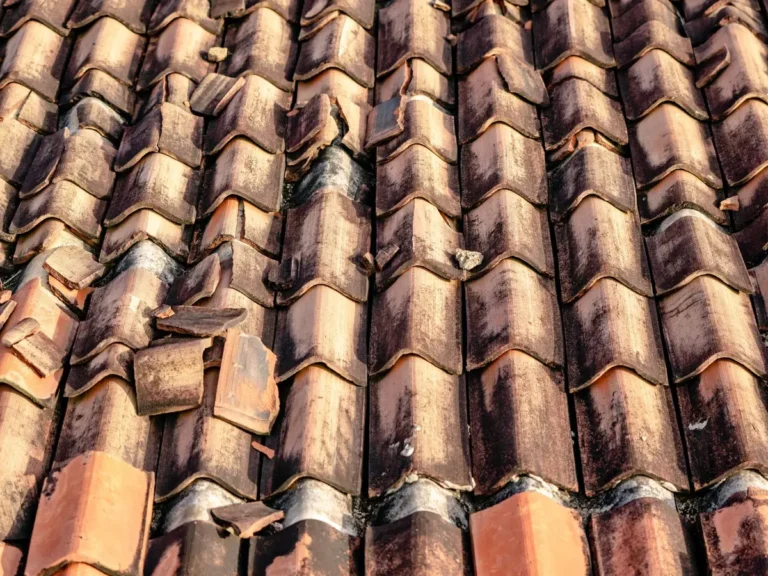
- Most downpipe blockages are leaves, moss and debris such as broken tiles. The SPAB says gutters, downpipes and gullies usually fail because of poor maintenance.
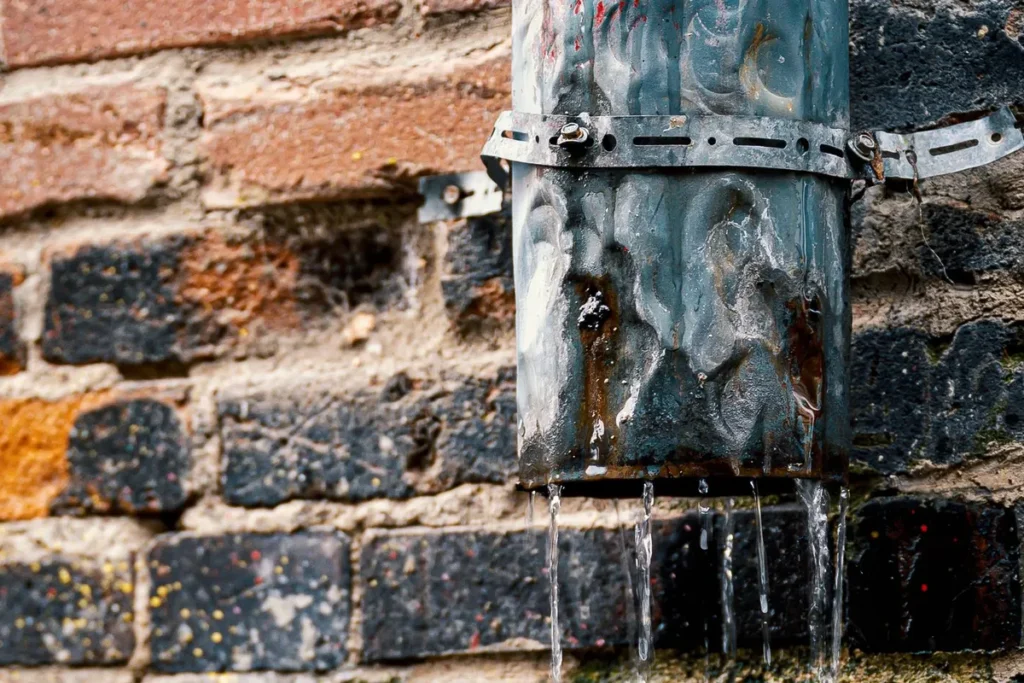
- A choked downpipe often shows itself as water spurting out of the joints or cracks onto the wall, not just an overflowing gutter.
- Building Regulations expect rainwater systems to be accessible for clearing blockages (Approved Document H, Part H3).
- The HSE limits ladder work to low-risk jobs of short duration, which it defines as no more than 30 minutes at a time.
- If you pay someone, downpipe unblocking typically costs £40 to £90 per pipe in the UK in 2026.
This guide shows you how to find the blockage, the safe step-by-step method, which tools work, what not to do, and what to check on older cast iron pipes found on many London terraces. If you would rather not deal with it yourself, our guttering team clears and repairs gutters and downpipes across SouthWest London.
How Do You Know Your Downpipe Is Blocked?
The clearest sign is a gutter that overflows right at the outlet while the rest of the gutter looks clean. Other signs are water dripping or spraying from the joints of the pipe, a damp or green stripe on the wall beside it, and little or no water coming out at the bottom during rain.
Eurocell’s guidance adds that a pipe which stays full or trickles slowly long after rain is obstructed, and that standing water near the base of the wall points the same way. The quickest test is the one most gutter cleaners use:
- Bucket test: pour a bucket of water into the gutter near the outlet (from an upstairs window or a low roof if you can reach safely). If it rushes out of the bottom, the downpipe is clear and the gutter itself is the problem. If the water rises in the gutter or appears at a joint, the pipe is blocked above that point.
- Watch it in heavy rain: the SPAB notes that fittings are best checked for leaks in heavy rain, because a partly blocked pipe can cope with drizzle and fail in a downpour.
If the gutter overflows along its whole length rather than at the outlet, the cause may be the gutter’s fall or size instead. Our guide to gutters overflowing in heavy rain covers how to tell the difference.
Where Do Downpipes Usually Get Blocked?
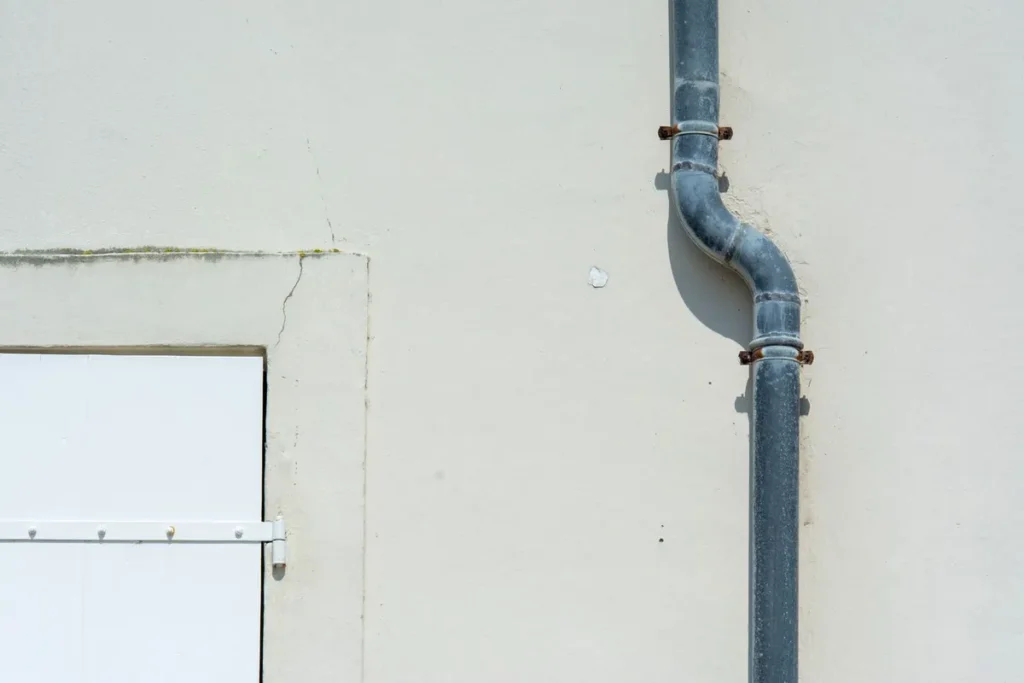
Downpipes almost always block at a change of direction or at the very top or bottom, because that is where debris slows down and packs together. Knowing the likely spot tells you whether you can clear it from the ground.
| Where it blocks | What you notice | How it is usually cleared | Safe from the ground? |
|---|---|---|---|
| Gutter outlet (top of the pipe) | Gutter overflows at the outlet, pipe runs dry | Lift out the leaves and moss plugging the outlet, fit a wire balloon | No, needs safe high access unless it is a single-storey roof |
| Offset or swan-neck bend under the eaves | Water spills at the top joint, gutter backs up | Rod down from the top or up from below, flush with a hose | Sometimes, with long rods from below |
| Hopper head (open box partway down) | Hopper overflows, staining on the wall below it | Scoop out by hand, rod the pipe below | No, on most two-storey houses |
| Mid-pipe or a joint | Water sprays from one joint | Hose or rods from the bottom, or remove a length | Usually yes |
| Shoe or bottom bend | Water bubbles out at the foot of the pipe | Clear by hand, flush upwards | Yes |
| Gully or underground drain | Gully grid flooded, water will not drain away | Clear the grid and gully pot, then plunge or rod the drain | Yes, but a drain blockage may need a drainage engineer |
Some older downpipes have a small access hatch or removable panel low down, which makes rodding much easier. Historic England notes that where access is poor, adding rodding points may be worth doing.
How Do You Unblock a Downpipe From the Ground?
Start with the gentlest method and only move on if the blockage does not shift. Wear waterproof gloves and keep a bucket handy for what comes out.
- Find the blockage. Do the bucket test above and look for the joint where water escapes. The blockage sits just below that point.
- Clear the bottom first. Pull leaves, silt and moss out of the shoe, the gully grid and the gully pot by hand. A surprising number of “blocked downpipes” are just a choked gully.
- Flush upwards with a hose. Feed a garden hose as far up the pipe as it will go, turn it on full and work it up and down. Loose debris often washes out within a minute or two.
- Use drain rods. Screw two or three rods together and push them up through the shoe, access hatch or bottom bend, always turning clockwise so the joints cannot unscrew and leave a rod stuck inside the pipe.
- Take off the bottom length if you need to. Plastic downpipes are usually push-fit and held by brackets. Eurocell’s advice is to unscrew the downpipe from its brackets, lay it flat and clear it, then refit it securely.
- Flush the whole run. Once the blockage moves, run the hose for a few minutes and make sure the gully drains freely.
- Test from the top. Repeat the bucket test at the far end of the gutter. If the water runs along the gutter and straight down the pipe, the job is done.
If the blockage is at the gutter outlet or the top bend of a two-storey house, the safe way to clear it is from proper access equipment or with a gutter vacuum from the ground, not by leaning a ladder against the gutter. Our guide to working on a roof without scaffolding explains the rules roofers follow for work at height.
What Is the Best Tool to Unblock a Downpipe?
For most homes, a garden hose and a set of flexible drain rods clear the large majority of downpipe blockages. The table below compares the usual options.
| Tool | Best for | Watch out for |
|---|---|---|
| Garden hose | Loose leaves and silt, fed up from the bottom | Will not shift compacted moss or a bird’s nest |
| Flexible drain rods | Packed blockages at bends and joints | Turn clockwise only, push gently on old cast iron |
| Plumber’s snake (auger) | Narrow pipes and tight bends | Can scratch or catch inside old metal pipes |
| Wet and dry vacuum | Pulling debris out of the shoe or a hopper head | Needs a good seal round the opening to work |
| Plunger | Gully and drain-level blockages | Will not reach a blockage high in the pipe |
| Gutter vacuum on a pole (professional) | Clearing the gutter outlet from the ground | Often misses a blockage lower down the pipe |
What Should You Not Do When Unblocking a Downpipe?
Most damage comes from forcing the blockage or from unsafe access, not from the blockage itself. Avoid these:
- Do not rest a ladder on the gutter. The HSE says a ladder needs a strong upper resting point, not weak surfaces such as plastic gutters, should stand at the 1-in-4 angle, and should not be worked from the top three rungs.
- Do not turn rods anticlockwise. Losing a rod section inside the pipe turns a simple job into a dismantling job.
- Do not blast old joints with a pressure washer. High pressure into an old cast iron or brittle plastic pipe can split joints that were only just holding.
- Do not pour drain chemicals down it. Leaves and moss do not dissolve, and the chemicals end up in the gully, the drain and the garden.
- Do not drill, scrape or pressure-wash grey cement pipes. Some houses built before 2000 have asbestos cement gutters or downpipes, which are low risk left alone but should not be scraped, drilled or pressure-washed. If yours are grey and heavy, get them checked.
How Do You Unblock a Downpipe That Goes Into the Ground?
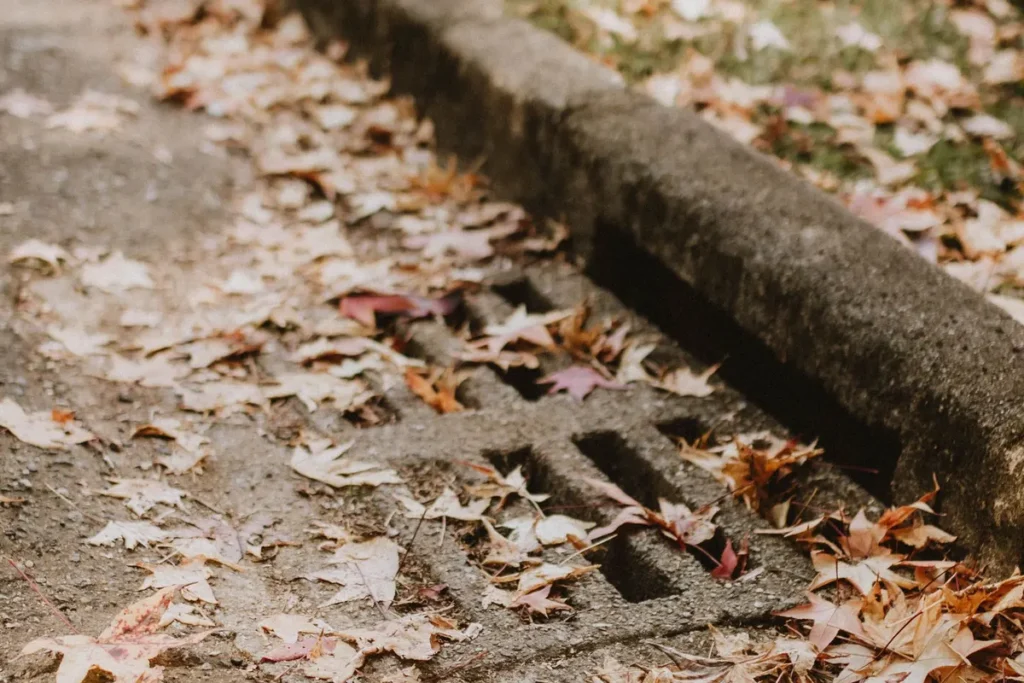
Where a downpipe runs straight into the ground with no shoe or gully, rod it from the lowest point you can reach: an access hatch, a removable bottom length, or the nearest inspection chamber (manhole) on the drain. If water backs up even after the pipe itself is clear, the blockage is in the underground drain.
Historic England warns that downpipes connected directly to below-ground drains may become blocked over time, and recommends a downpipe shoe that discharges openly into a surface gully, with a grille that can be easily cleared. The SPAB gives the same advice: pipes are preferably terminated with a shoe rather than taken into the ground, so they can be cleared.
Who pays if the drain is blocked? Drains that serve only your property are your responsibility. Thames Water took over shared private sewers and lateral drains in its area on 1 October 2011, but you are still responsible for the pipe between your house and the shared sewer. Richmond Council’s advice is to find where the blockage is and ask your neighbours first: if more than one property is affected, report it to Thames Water, who will investigate whether it is theirs to clear.
Downpipe still blocked, or the blockage is high up? JW Roofing Solutions clears and repairs gutters and downpipes safely from proper access, traces any leak or damp patch to its source, and tells you honestly whether a clean is all you need. Call +44 7467 800002 or get a free, no-obligation quote.
Are Cast Iron Downpipes on London Terraces Different?
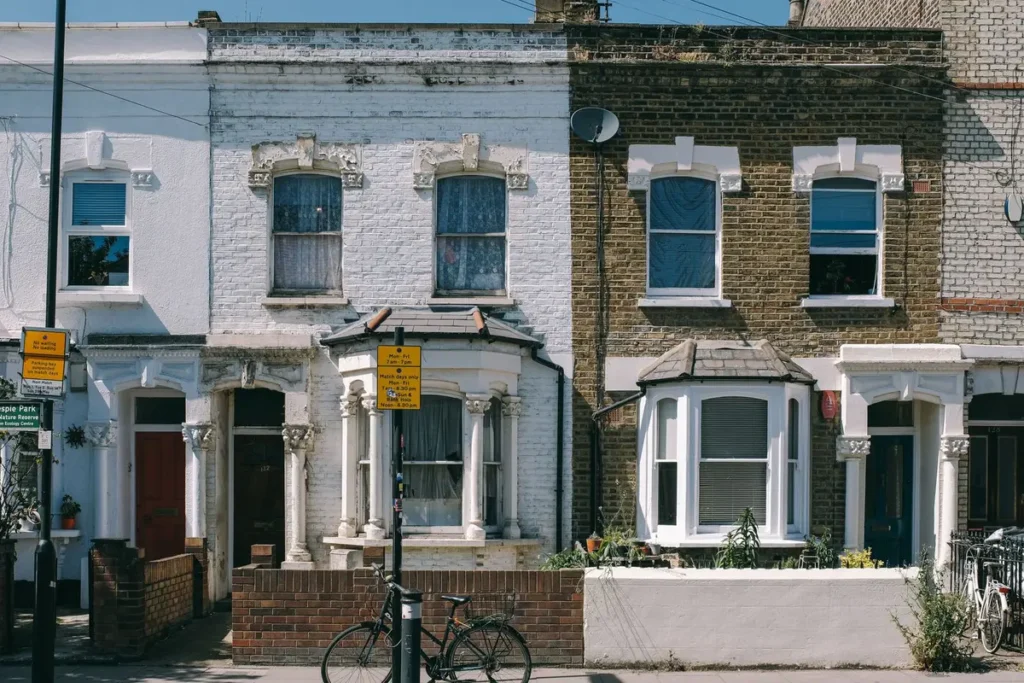
Yes. Many Victorian and Edwardian terraces in Balham, Clapham, Wandsworth, Streatham and Tooting still have some original cast iron gutters, hopper heads and downpipes, and these need gentler handling than modern plastic. The SPAB notes that downpipes frequently leak at joints where blockages hasten corrosion, so a pipe left blocked for years may already be weak at the collars.
- Clear gently. Use a hose and rods rather than force, and do not hammer or lever old sections apart.
- Check the back of the pipe. A crack against the wall is easy to miss. The SPAB lists cracked hopper heads and downpipes hidden against the wall as a common source of damp.
- Repair before replacing. The SPAB recommends repairing old rainwater fittings where feasible, and like-for-like replacement where not, warning that swapping cast iron for PVCu can erode the character of an old building.
- Watch rear and middle downpipes. Terraces often drain a valley or a box gutter behind a parapet through a single hopper and downpipe, so one blockage can back water up onto the roof.
When Should You Call a Professional, and What Does It Cost?
Call a roofer or gutter specialist if the blockage is at the top of a two-storey pipe, if rods and a hose have not shifted it, if water is getting into the house, or if the pipe is cracked, loose or cast iron in poor condition. A blockage that keeps coming back usually means there is a fault to fix, not just debris to clear.
These are typical 2026 UK prices from published cost guides. They are not JW Roofing Solutions’ prices.
| Job | Typical UK cost (2026) | Source |
|---|---|---|
| Downpipe unblocking, per pipe | £40 to £90 | BestBuilders |
| Downpipe unblocking, rodding or flushing | £20 to £80 each | Less.co.uk |
| Gutter clean, terraced house | £50 to £90 | BestBuilders |
| Gutter clean, semi-detached house | £70 to £120 | BestBuilders |
| Three storeys or awkward access | £130 to £250 | BestBuilders |
BestBuilders notes that London and the South East typically sit 10 to 25 per cent above these ranges. It is usually cheaper to have the gutters cleared and the downpipes unblocked on the same visit, because the access only has to be set up once. If you find a cracked or leaking section, our guide to gutter repair vs replacement covers what comes next.
How Do You Stop a Downpipe Blocking Again?
Keep the debris out of the pipe in the first place and check it at the times of year it is most likely to block. Simple steps make the biggest difference:
- Fit a wire balloon in each outlet. The SPAB says it can be advantageous to fit wire balloons above downpipes, but warns that leaves gathering around them can cause blockages too, so they need clearing.
- Clear after the autumn leaf fall. The SPAB advises clearing rainwater fittings particularly after the autumn leaf fall and being extra vigilant after bad weather.
- Keep gully grids clear. A grille over the gully stops leaves reaching the drain, as long as someone lifts the leaves off it.
- Swap a buried pipe foot for a shoe and gully where practical, so the next blockage can be reached from the surface.
- Book a check with other roof work. A roof inspection or roof repair visit is a good time to have the outlets and hoppers looked at while access is already in place.
Frequently Asked Questions
Can I unblock a downpipe myself?
Usually, yes, if the blockage is low down. A hose and drain rods used from the ground clear most blockages at the shoe, the bottom bend or a joint. Leave blockages at the top of a two-storey pipe to someone with proper access equipment.
How can I unblock my downpipe from the ground?
Clear the shoe and gully by hand, push a garden hose up the pipe and run it on full, then use drain rods turned clockwise if the hose does not work. Finish by pouring a bucket of water into the gutter to check it drains straight through.
What is the best tool to unclog a downpipe?
A set of flexible drain rods is the most useful single tool, with a garden hose for flushing. A wet and dry vacuum helps at the shoe or a hopper head, and a plunger helps if the blockage is in the gully or drain.
Why does water come out of the joints of my downpipe?
Usually because the pipe is blocked below that joint and water is backing up until it escapes. The SPAB describes choked downpipes spurting water out of joints and cracks onto the wall, which can lead to damp inside if it is left.
Who is responsible for a blocked drain at the bottom of my downpipe?
If the drain serves only your property, you are. If neighbours are affected too, the blockage may be in a shared sewer or lateral drain, which in the Thames Water area has been the water company’s responsibility since 1 October 2011, so report it to them.
How much does it cost to unblock a downpipe?
Published 2026 UK cost guides put downpipe unblocking at about £20 to £90 per pipe, depending on the firm and how hard the blockage is to reach. It is often cheaper as part of a gutter clean, since the access is set up once.
Downpipe Unblocking and Gutter Repairs in SouthWest London
JW Roofing Solutions clears, repairs and installs gutters and downpipes across Balham, Clapham, Wandsworth, Streatham, Tooting and the rest of London. If your downpipe keeps blocking, water is coming through a wall, or the blockage is out of safe reach, we will clear it from proper access, trace any leak to its source and tell you honestly whether you need a repair or just a clean. You will get a written, itemised quote with no obligation, and we leave the site clean and tidy. Call +44 7467 800002, get in touch online or read more about our guttering services.
Need help with your roof? JW Roofing Solutions provides downpipe unblocking and guttering in SouthWest London. Get a free, no-obligation quote.