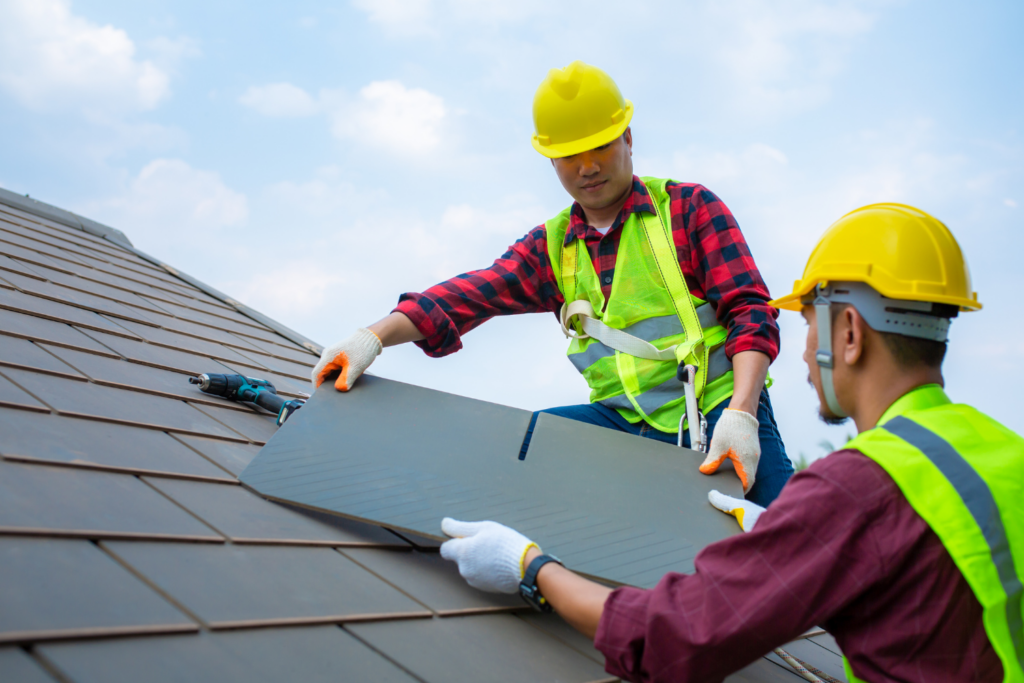
A standard roof inspection in the UK typically costs in the region of £150–£300 for an average two‑storey home, with prices rising for large properties, difficult access, or advanced methods such as drone or thermal surveys. This might feel like a lot for “just a look”, but catching a slipped tile, small leak, or hidden rot early can easily save thousands of pounds in emergency repair bills and interior damage later.
This guide explains what roof inspections usually cost, what affects the price, which type of inspection makes sense in different situations, and why a planned inspection is almost always worth the money. If you are local to JW Roofing Solutions and unsure which type of inspection you need, our team can assess your roof, explain your options plainly, and recommend the most sensible next step for your home.
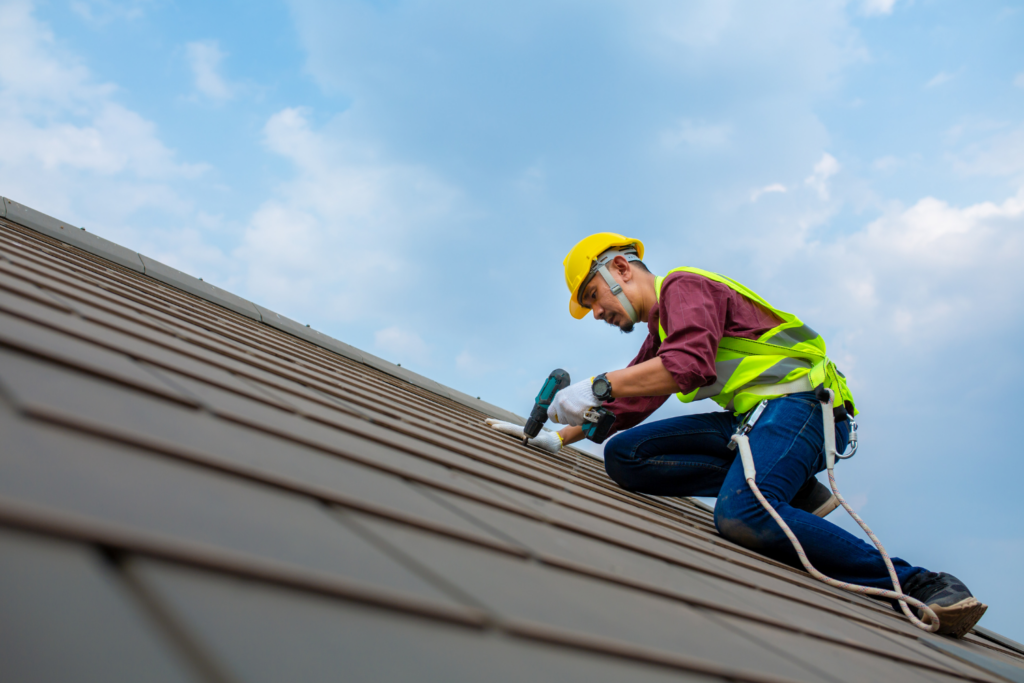
For most homeowners with a typical pitched roof on a two‑storey house, a straightforward visual inspection will usually sit in the £150–£300 range. This often involves a roofer using ladders and safe access equipment to inspect the roof surface, flashings, gutters, and visible details, sometimes combined with a quick check inside the loft.
Larger or taller properties, complex roof shapes, or homes with restricted access can push the cost higher, especially if scaffolding, a mobile platform, or extra time is required to safely reach all areas. More advanced options such as drone or thermal inspections also cost more because of the specialist equipment and expertise involved, but they can be very useful when manual access is difficult or disruptive.
While exact prices vary by region and contractor, it helps to understand the main types of inspection you might be offered:
Several factors influence the final price you pay for a roof inspection:
Some contractors advertise “free” inspections, which can be useful as an initial look, but you should be aware that their income typically comes from any work they recommend. A paid, independent inspection or one from a roofer you trust can often be more balanced, especially if you want an honest view of whether work is urgent or can wait.
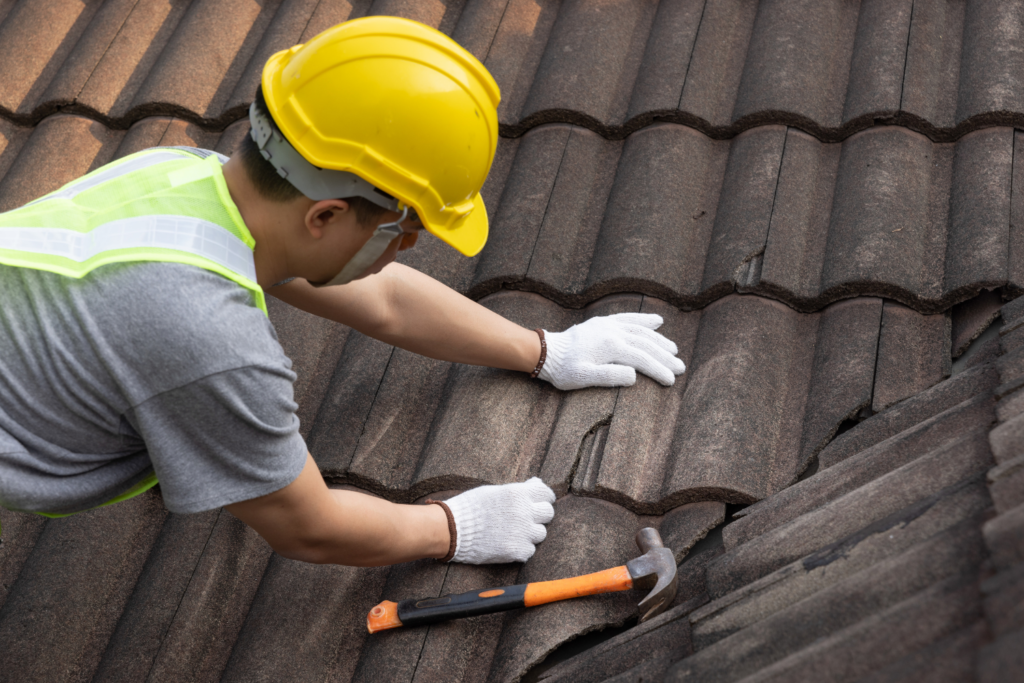
Even a small leak can travel unseen through insulation, timbers, and plaster before you notice a stain on your ceiling. By the time damage is visible from inside, rot may already have started, and repairs can involve more than just the roof surface. A scheduled inspection gives a professional the chance to catch issues at the “small fix” stage: slipped tiles, cracked flashing, failed pointing, blocked outlets, or early signs of membrane wear.
Regular inspections can also help with warranties and insurance. Some roof product guarantees and home insurance policies expect evidence of reasonable maintenance, especially for older roofs or after major storms. Having periodic inspections, ideally every three to five years or after extreme weather, shows you have taken sensible care of your property and can strengthen your position if you ever need to make a claim.
If you are buying or selling a home, a roof inspection (either as part of a wider survey or a standalone roofing report) can prevent expensive surprises. For buyers, finding out about hidden roof issues before completing a purchase gives you a chance to renegotiate the price or ask for repairs. For sellers, understanding the roof’s condition in advance removes uncertainty and can help avoid last‑minute problems during conveyancing.
Here are some practical guidelines on timing:
Treating inspections as preventative care rather than a last resort can turn potential emergencies into manageable maintenance.
At JW Roofing Solutions, the aim of a roof inspection is to give you a clear, honest picture of your roof’s condition and practical options, not to pressure you into unnecessary work. After inspecting your roof, we explain what we have found in straightforward terms, show you photos if helpful, and outline any recommended repairs, their urgency, and likely costs.
If you would like to know more about our team and approach, you can visit the About Us page, or review the types of work we carry out on the Services page. When you are ready to arrange a check, you can quickly request a visit or quote through our Contact Us page. For independent background information, many homeowners also like to read guidance from national roofing associations or recognised trader schemes before going ahead.