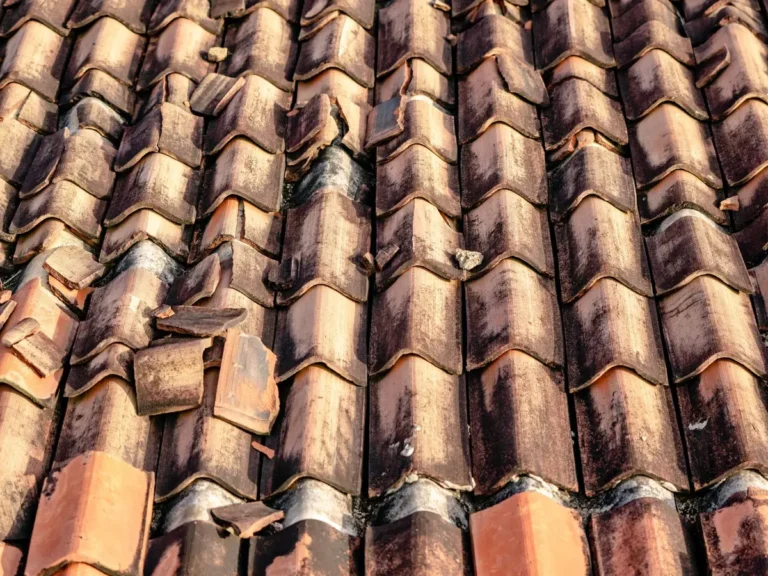



A box gutter (also called an internal, parallel or trough gutter) is a rectangular, flat-bottomed gutter built into the roof itself rather than hung from the fascia. It sits between two roof slopes, behind a parapet wall or inside the eaves, and carries rainwater to an outlet. In the UK most are lined with lead, GRP or felt, and when one fails, the leak shows up indoors first.
Key facts
- Box gutters are rectangular and “boxed” into the roof so they are not visible (Designing Buildings). Depending on where they sit, you will also hear them called parapet gutters, valley gutters or internal gutters.
- The Lead Sheet Training Academy says all lead sheet must be laid on a minimum fall of 1:80, or just over 1 degree. That is 25mm of fall in every 2m of gutter.
- Joints between lengths of lead in a box gutter must be stepped “drips”. Calder’s leadwork guide says welts or lap joints are not suitable.
- Correctly installed, lead can last more than 80 years in the lower codes and over 100 years in the higher codes.
- Historic England notes that box and parapet gutters often cannot be checked properly from the ground, so they need a closer look at roof level.
Thousands of London homes have a box gutter hidden behind the front parapet or running down the middle of the roof, and most owners only find out when a ceiling stain appears. This guide explains how box gutters work, why they leak, which lining to choose and what a repair involves. If yours is overflowing or leaking now, our guttering service covers repairs and clearing across SouthWest London.
What Is a Box Gutter and How Does It Work?
A box gutter is a timber-framed channel built into the roof structure and lined with a waterproof material. Rain runs off the roof slopes into the channel, flows along it on a gentle fall, and drops into an outlet that leads to a hopper and downpipe.
The parts are worth knowing, because a roofer will use these words in a quote:
- Gutter boards (the sole): the flat timber base of the box. It sets the fall towards the outlet.
- Upstands: the sides of the lining, turned up under the roof slates or tiles on one side and against the parapet wall on the other, where a cover flashing laps over them.
- Drips (steps): small steps along the length of a lead gutter. Each one lets a separate piece of lead expand and contract without cracking. Calder’s guide gives a minimum drip height of 55mm for Codes 4 to 6 and 60mm for Codes 7 and 8.
- Outlet, sump and hopper: the low point where water leaves. On many period houses, the water collects in a sump behind the parapet and runs out through the wall, often through a single outlet to an external downpipe (Building Conservation).
Because the whole gutter sits inside the line of the walls, a leak drips into the roof timbers and ceilings rather than down the outside of the house. That is the main difference from an ordinary gutter, and the reason box gutters need more care.
What Are the Parts of a Box Gutter?
Whatever the lining, most box gutters share the same parts. Knowing them makes a survey report or a quote far easier to read.
- The channel: the flat-bottomed trough itself, with a sole and two sides.
- Outlets: the openings that connect the gutter to a rainwater pipe.
- Sump: a deeper box at the outlet. It raises the depth of water over the opening, so more water drains through it.
- Overflow weir: a low point, often through the parapet, that lets water escape outside if an outlet blocks.
- Stop ends, corners and changes of section: the shaped pieces that finish each run.
These parts are described in the CGL Systems box gutter guide (updated November 2026), which covers industrial gutters. The same layout applies to a lead-lined gutter on a house.
How Big Is a Box Gutter?
There is no single standard size. A box gutter is sized for the roof area it drains and the rainfall it has to carry. On large commercial roofs the sole is commonly in the region of 300 to 600 mm wide, according to CGL Systems (November 2026). For a lead-lined gutter on a typical house, The Lead Lads (October 2025) suggest planning for roughly 300 to 360 mm, and 360 to 450 mm on larger or lower-pitched roofs. These are planning figures, not rules. Width also affects whether anyone can get in to clear it.
Where Will You Find Box Gutters on London Houses?

Mostly on Victorian and Edwardian terraces, mansion blocks and commercial buildings. If you cannot see the bottom edge of your roof from the street, there is almost certainly a box gutter behind it.
- Parapet gutters: many London terraces have a front wall that rises above the roof. The gutter runs along the back of that parapet, out of sight.
- Valley gutters on butterfly roofs: the classic “London roof” slopes inwards to a central gutter that usually drains through the back wall. Our guide to butterfly roof repair explains this layout.
- Between neighbouring roofs: where two pitched roofs or a roof and a back addition meet, a box gutter often carries the water from both.
- Shops, offices and blocks of flats: parapet roofs and large internal gutters are common on commercial buildings, often in steel or aluminium rather than lead.
What Is the Difference Between a Box Gutter and a Normal Gutter?

A normal gutter hangs on brackets outside the wall, so when it fails, water spills down the outside. A box gutter is part of the roof, so when it fails, water goes into the building.
| Feature | Box gutter (parapet or valley) | Hung eaves gutter |
|---|---|---|
| Where it sits | Built into the roof, inside the line of the walls | Fixed to the fascia, outside the walls |
| Visible from the street? | Usually not | Yes |
| Typical materials | Lead, GRP, felt or membrane lining on timber boards; steel or aluminium on commercial roofs | uPVC, cast iron, aluminium |
| Where a leak ends up | Ceilings, walls and roof timbers | Outside walls and the ground |
| Who can check it | Needs roof-level access or a drone | Often visible from the ground |
| Typical repair | Clearing, lead welding, re-dressing flashings, relining | Resealing joints, refixing brackets, replacing lengths (see our gutter repair vs replacement guide) |
One point of confusion: shops also sell “box profile” or square guttering. That is an ordinary external gutter with a square shape, not a built-in box gutter.
Why Do Box Gutters Leak?
Mostly because water is not getting away fast enough, or because the lining has cracked or split. Building conservation specialist Steve Hempstock warns that defects in valley and parapet gutters often seep quietly for months or even years, creating the ideal conditions for dry rot and wet rot. The usual causes, roughly in order of how often they turn up:
- Blocked outlets. Leaves, moss and broken slate collect at the outlet, water backs up and spills over the upstand. The SPAB says blocked gutters cause extensive damage, particularly at parapets and valleys.
- Cracked lead. Lead that is laid in pieces too long or wide, or nailed down too far along its length, cannot move with the seasons and splits. The SPAB notes that over-sized and over-fixed lead linings may suffer fatigue.
- Lost fall and ponding. When gutter boards sag or rot, water sits in dips. Building Conservation explains that high winds can then force the collected water back up and over steps and rolls. Our guide to ponding on flat roofs covers the same problem on a bigger scale.
- Drips too low or missing. Older gutters often have bays longer than today’s guidance and drip heights that do not meet the code of practice, according to Building Conservation.
- Failed flashings and pointing. Water gets in above the lining where the cover flashing on the parapet has lifted or the mortar has fallen out. See our lead flashing repair guide.
- Worn lead under tile and slate edges. East Hampshire District Council’s conservation guide explains that acidic rain dripping off the edge of the tiles can slowly dissolve the lead until it becomes paper thin and cracks.
- Snow. Snow piled in a parapet gutter can rise above the upstands. The SPAB advises clearing it with wooden or plastic shovels so water does not seep through the joints.
Signs your box gutter is leaking: a damp patch or stain on the top-floor ceiling, usually near the front wall or in the middle of the house; damp or peeling plaster at the top of the party wall or front wall; water dripping in the loft during heavy rain; rot or staining on the gutter boards when you look up from inside the loft; and water overflowing from the hopper or down the face of the parapet. The SPAB notes that investigation will often reveal rot in concealed timbers, such as roof truss bearings beneath parapet gutters, so it pays to act early.
Ceiling stain under a parapet or valley? JW Roofing Solutions traces leaks to their source and will tell you honestly whether a clear-out and a small repair will do, or whether the gutter needs relining. Call +44 7467 800002 or request a free, no-obligation quote.
How Do You Find Where a Box Gutter Is Leaking?
The drip point inside is often not where the fault is. Water can run along timbers before it falls. This order of checks, based on the CGL Systems leak guide (November 2026), saves time and money:
- Note when it leaks. A leak every time it rains points to a joint, a split or a hole. A leak only in heavy rain points to a blocked outlet or a gutter that is too small.
- Check the outlets and overflows first. They are the cheapest thing to fix.
- Look along the gutter for joints, splits, standing water and dents.
- Trace the water from inside along the roof timbers back towards the gutter.
- Flood test sections to confirm the exact point. This is a job for someone safe to work at height.
What Are the Signs of a Failing Box Gutter Inside the House?
- Brown stains on a ceiling or wall near the roof edge or party wall, which grow after heavy rain.
- Damp patches or flaking paint that return after redecorating.
- Dripping that starts during a storm and stops when the rain stops.
- Standing water or moss visible in the gutter from a window or ladder.
Any of these is worth a proper look from a roofer. See our guide to gutters overflowing in heavy rain for the blockage side of the problem, or book a roof repair inspection.
Lead vs GRP vs Felt: Which Box Gutter Lining Is Best?
Lead is the traditional choice and lasts longest when it is laid correctly. GRP and modern felt are good alternatives where there is not enough height for proper drips, where lead theft is a worry, or where the gutter is part of a flat roof being re-covered anyway.
| Lining | Expected life or guarantee | Strengths | Watch out for | Best for |
|---|---|---|---|---|
| Lead sheet (Codes 5 to 8 for parapet, box and tapered gutters) | Over 80 years for lower codes, over 100 years for higher codes, if correctly installed (LSTA) | Longest life; cracks can be repaired by lead welding (SPAB); traditional look | Needs correct bay sizes, drips and a 1:80 fall; target for metal thieves; usually the dearest option | Period houses, conservation areas and listed buildings |
| GRP (glass reinforced plastic) | Topseal supplies its systems with a 20 to 40 year product and workmanship guarantee, depending on the system | Seamless, no drips needed; Topseal markets it as a substitute for lead on roofs and gutter linings, with a lead-grey finish available | Only as good as the installer; needs a sound, dry deck; not always accepted on listed buildings | Gutters without room for drips, or where lead has been stolen |
| Torch-on felt (reinforced bitumen membrane) | IKO’s ULTRA Prevent 25 system has a BBA life expectancy in excess of 25 years | Cost-effective; ties in neatly when the surrounding flat roof is being re-covered | Laps and outlets must be detailed well; quality varies a lot between systems | Butterfly valleys and gutters on felt flat roofs |
| Membrane or liquid lining over old metal | Depends on the system | The MGMA says well specified membrane-lined gutters are probably the best solution for most internal gutters on industrial buildings | Linings can shrink outlets and cause overflows in heavy rain; the MGMA recommends a minimum 1.2mm membrane | Commercial and industrial steel gutters |
For a listed building, check before you change materials. Historic England’s guidance is that lead rainwater goods should be repaired with lead, except where theft risk is high and the local planning authority agrees a substitute is more appropriate. For a wider comparison of flat roof materials, see our guide to EPDM vs GRP vs felt.
What Lead Code and Fall Does a Lead Box Gutter Need?
For lead, two details decide how long a box gutter lasts: the thickness (code) and the fall. The table gathers published trade figures. Treat them as UK guide figures. The actual specification depends on the width, roof area and exposure of your gutter.
| Item | Guide figure | Source |
|---|---|---|
| Code 5 thickness | about 2.24 mm | The Lead Lads, October 2025 |
| Code 6 thickness | about 2.65 mm | The Lead Lads, October 2025 |
| Code 7 thickness | about 3.15 mm | The Lead Lads, October 2025 |
| Code often used for box gutters | Code 6, or Code 7 for wide or exposed gutters | The Lead Lads, October 2025 |
| Minimum fall | 1 in 80 (25 mm in 2 m) | Lead Sheet Association guidance |
Figures from The Lead Lads lead codes guide and box gutter guide (October 2025). Published guidance varies slightly between sources, so a specification should always be checked against the current Lead Sheet Association manual.
In practice, a gutter flatter than 1 in 80 will pond, and standing water wears lead faster. That is why a new lining laid on old, flat boards often fails again. Our lead work covers box gutters, and the first job is checking the falls before any lead goes down.
- Joints between lengths are normally formed with drips, and the lining is fixed only at the top of each piece so it can expand.
- A continuous slip layer under the lead cuts wear and noise.
- No fixings go in the trough itself.
Can a Box Gutter Be Repaired, or Does It Need Relining?
Often it can be repaired. If the lining is sound and the boards underneath are dry, clearing the outlet, welding a crack or re-dressing a flashing can solve the leak. If the lining has cracked in several places, the fall has gone or the boards are rotten, relining is the better long-term answer.
| What you find | Likely fix |
|---|---|
| Overflowing in heavy rain, lining looks fine | Clear the gutter, outlet and hopper; fit a wire balloon guard on the outlet |
| One crack or split in lead | Lead welding or a new section with a proper drip |
| Water getting in at the parapet wall | Re-dress or replace the cover flashing and repoint |
| Several cracks, bays too long or drips too low | Reline, redesigning bay lengths and drips to current guidance |
| Soft or rotten boards, water sitting in dips | Strip, replace the boards and firrings to a proper fall, then reline |
What will it cost? MyBuilder’s 2026 guide lists a complex box valley gutter repair at £500 to £1,000. Relining a long run, replacing rotten boards or putting up scaffolding to reach a high parapet will cost more. These are published averages, not our prices; we price each job after seeing the gutter.
Can you do it yourself? If your box gutter is on a single-storey back addition you can safely reach, clearing leaves from the gutter and outlet is a reasonable DIY job. Welding lead, relining or anything at second-floor parapet height is work for a roofer with proper access equipment.
Which Box Gutter Repair Option Lasts Longest?
| Option | Best for | How long it tends to last |
|---|---|---|
| Clear outlets and overflows | Leaks caused by blockages | Until the next blockage, so it needs a routine |
| Re-seal or patch a joint | One or two failed joints on a sound gutter | Short term, as other joints tend to follow |
| Liquid-applied coating | Sound gutters with minor joint or surface faults | Medium term, depending on preparation |
| Relining | Leaking or corroding gutters that are still structurally sound | Long term |
| Replacement | Gutters that have failed structurally or are too small | Long term, and lets the gutter be redesigned |
Source: CGL Systems, Why is my box gutter leaking? (November 2026). That guide is about industrial steel gutters, so the lifespans are a guide only for a lead-lined house gutter. JW offers lead lining and repairs through lead work.
Should You Repair, Reline or Replace? A Quick Checklist
- Repair if the leak is at one joint or one outlet and the rest of the lining is sound and flat.
- Reline if there are several leaks, cracked lead at drips, or the lining is worn but the boards beneath are dry and firm.
- Rebuild the boards and falls if the gutter holds standing water, the boards are soft, or the fall is flatter than 1 in 80.
- Get the size checked if it only overflows in heavy rain and the outlet is clear, particularly after a loft conversion or extension.
How Do You Look After a Box Gutter?

Keep it clear and check it in heavy rain. A few simple habits prevent most leaks:
- Clear it twice a year, after the autumn leaf fall and again in early spring, as East Hampshire District Council’s conservation guide recommends for valley and parapet gutters.
- Fit a stainless steel wire balloon in internal outlets to stop them clogging (same guide).
- Look during a downpour. The SPAB says fittings are best checked for leaks in heavy rain.
- Check from inside the loft. Look up at the underside of the gutter boards for staining or rot.
- Add a warning overflow. Historic England suggests fail-safes such as an overflow outlet on the hopper, so a blockage shows outside before it shows on your ceiling.
- Get a proper look every few years. Hidden gutters are hard to see from the street, and a drone roof survey can show the whole gutter without scaffolding.
How Often Should a Box Gutter Be Cleaned?
Industrial gutter makers advise cleaning at least twice a year, usually spring and autumn, plus after storms (CGL Systems, November 2026). Homes near trees may need it more often. Check the outlet and the overflow weir each time, because a blocked outlet is the cheapest cause of a leak to fix. Our roof maintenance service covers gutter clearing as part of a roof check.
Can You Fix a Box Gutter Yourself?
Clearing leaves and silt from a gutter you can reach safely is a reasonable DIY job. Self-adhesive EPDM lining kits are also sold to the public, and the right choice for a given gutter depends on its condition and falls. Lead relining, rebuilding falls and any work from a roof edge or over a parapet are specialist jobs. A flat or sagging gutter will not be fixed by a new liner, and working at height is the main risk. If you are unsure, contact JW Roofing for a look.
What We Would Do on a SouthWest London Terrace
On a typical Victorian terrace with a leaking parapet or valley gutter, we would start by clearing the gutter and outlet and testing it with water, because a blockage is the cheapest problem to fix and the most common. Then we would check the lead for cracks, measure the bay lengths and drips, and look at the boards from the loft.
If the lead is sound, a targeted repair is usually all it needs, and we will say so. If it has cracked in several places because the bays were laid too long, patching will only buy time, so we would reline it with correctly sized bays and drips. If the boards have lost their fall, they need replacing first, or the new lining will pond and fail in the same way.
Box gutters block easily with leaves and moss washed down from the roof slopes; our guide to moss removal from roof costs covers when moss needs clearing and why jet washing is a bad idea.
How Much Does Box Gutter Repair Cost in 2026?
A small box gutter repair usually costs £200 to £800, with £400 a typical figure, according to the HowMuchShouldItCost gutter specialist guide (updated 30 October 2026), and takes half a day to a day. Relining is priced by the metre and depends on the lining. These are published UK guide prices, not JW Roofing quotes, and London jobs tend to sit at the upper end.
| Box gutter job | 2026 UK guide price | Source |
|---|---|---|
| Patch or joint repair (one split or failed lap) | £200 to £800 (average £400) | HowMuchShouldItCost |
| Localised patch repair | £250 to £700 | squote, Sept 2026 |
| Section relining | £700 to £2,000 | squote |
| Full relining of a long or wide run | £2,000 to £6,000+ | squote |
| Lead lining (Code 5 or 6) | £120 to £280 per metre | NearMeTrades, May 2026 |
| GRP lining | £80 to £180 per metre | NearMeTrades |
| EPDM membrane lining | £50 to £120 per metre | NearMeTrades |
| New outlet and downpipe connection | £120 to £350 | NearMeTrades |
| Scaffolding for access | £250 to £900 | NearMeTrades |
Access is the line that changes the total most. Box gutters are hidden behind parapets or between slopes, so they often cannot be reached from a ladder, and squote notes that on many houses the scaffold costs more than the repair itself. A good quote lists access, the lining, labour and any rotten boards separately. For prices on the lead details around a box gutter, see our lead flashing repair cost guide.
Are Box Gutters More Expensive Than Normal Gutters?
Yes, to build and to repair. A hung eaves gutter is a stock plastic or metal section clipped to the fascia, while a box gutter is a lined channel built into the roof with its own boards, falls, outlet and upstands. That is why a new box gutter is quoted at £350 to £2,500 fitted, against a few hundred pounds for most eaves gutter repairs. The higher cost buys a gutter that carries more water and is hidden from view, but it also means a failure puts water inside the building, so cheap patching rarely pays off.
Box Gutter vs Valley Gutter: What Is the Difference?
The difference is where it sits. A box gutter behind a parapet wall takes water from one roof slope; a valley gutter sits where two slopes meet and takes water from both. As CGL Systems explains, a valley gutter is technically a type of box gutter, which is why the terms are often used for the same thing. On London terraces the central gutter of a butterfly roof is a box valley gutter, and the gutter behind the front parapet is a parapet box gutter.
Why Do Box Gutters Need Outlets, Sumps and Overflows?
Because a box gutter sits inside the line of the walls, the water has nowhere safe to go if the outlet blocks. CGL Systems lists the parts that stop that happening:
- Outlet: connects the gutter to the rainwater pipe. An outlet too small for the roof area is a common cause of overflow; NearMeTrades gives the example of a 50mm outlet on a 3m parapet gutter overflowing in heavy rain.
- Sump: a deeper box at the outlet that increases the depth of water over it, so more water drains away.
- Overflow (weir): an opening that sends water outside the building if the outlet blocks. In the UK, gutters and overflows are designed to BS EN 12056-3.
- Fall: a gentle slope to the outlet, quoted by NearMeTrades at 1:80 to 1:160.
If your box gutter has no overflow, or the outlet blocks every autumn, fixing that is often worth more than relining. Our guide to gutters overflowing in heavy rain explains how to tell an outlet problem from a sizing problem, and if water is already coming through a ceiling, see our emergency roof repair page or call 07467 800002.
How Is a Box Gutter Sized?
In the UK, internal gutters are sized to BS EN 12056-3 and its National Annex. The method, set out in the CGL Systems sizing guide (November 2026), runs in simple steps:
- Pick the design rainfall intensity for your location. Internal gutters that could leak into the building use a more severe value than eaves gutters.
- Work out the effective roof area. It is the plan area draining to the gutter, with an extra allowance for rain driven onto sloping roofs.
- Calculate the flow: rainfall intensity multiplied by effective area, and by a runoff coefficient of 1.0 for most roofs.
- Check capacity against the gutter section, its length and the outlets, leaving a margin of empty depth (freeboard).
- Check outlets and sumps. Outlets often limit capacity more than the gutter does, and a sump raises the water depth above the outlet.
- Design the overflow so a blockage shows outside the building before water gets in.
Common sizing mistakes include using plan area only, using an eaves gutter risk level for an internal gutter, and relining an old gutter without checking it was big enough in the first place. A designer should confirm the final calculation.
Buying a House with a Box Gutter: Questions to Ask
- Where are the outlets and the overflow weir, and are they clear?
- What is the lining, and is there any sign of cracks at the drips or standing water?
- Are there ceiling stains or damp patches on the top floor or party wall?
- When was the gutter last relined or inspected, and is there paperwork?
- Does the survey recommend a roof access inspection? Our guide to roof inspection cost shows what that involves.
Frequently Asked Questions
What is the difference between a box gutter and a parapet gutter?
A parapet gutter is a type of box gutter. It is the box gutter that runs behind a parapet wall, usually along the front or back of a terrace, while a valley gutter is a box gutter between two roof slopes.
How wide should a box gutter be?
It depends on the roof area draining into it and the size of the outlet. For lead linings, Calder’s guide limits the overall girth (the sole plus both upstands) to 750mm for Code 4, rising to 1,000mm for Code 8, with drips no further apart than 1.5m to 3m depending on the code.
How long does a lead box gutter last?
The Lead Sheet Training Academy says correctly installed lead can last more than 80 years in the lower codes and over 100 years in the higher codes. Lead laid in oversized bays, over-fixed or without enough fall can crack far sooner.
Why is my box gutter leaking?
The most common causes are a blocked outlet, cracked lead, water ponding where the boards have sagged, and failed flashings at the parapet wall. Because the gutter sits inside the walls, the leak usually shows as a ceiling stain first.
Can you replace a lead box gutter with GRP?
Yes, on most houses. GRP systems such as Topseal are marketed as a substitute for lead on gutter linings, but on a listed building Historic England expects lead to be repaired with lead unless the planning authority agrees otherwise.
How much does box gutter repair cost?
MyBuilder’s 2026 guide puts a complex box valley gutter repair at £500 to £1,000. Full relining, rotten boards and scaffolding add to that, so get a written, itemised quote after the gutter has been inspected.
Are box gutters more expensive than normal gutters?
Yes. A box gutter is a lined channel built into the roof, so it costs more to build and repair than a hung eaves gutter. A small repair is typically £200 to £800 and relining is priced by the metre, from about £50 for EPDM to £280 for lead, plus access.
Is a valley gutter the same as a box gutter?
A valley gutter is a type of box gutter. It sits where two roof slopes meet and takes water from both, while a parapet box gutter sits behind a wall and takes water from one slope.
What fall does a box gutter need?
A lead-lined box gutter should fall at least 1 in 80, which is 25 mm over 2 m, or water will pond. Flatter gutters wear and leak sooner. A roofer should check the fall before any new lining goes down.
How often should a box gutter be cleaned?
At least twice a year, in spring and autumn, plus after any storm, according to industrial gutter guidance. Check the outlet and overflow each time. Homes near trees may need more frequent cleaning.
Can you walk in a box gutter?
Many box gutters double as maintenance walkways, but only if they were built for it. Thin or unsupported linings dent and split under foot traffic, which opens joints. Check the gutter is dry and firm before putting any weight on it, or ask a roofer to inspect it.
Box Gutter Repairs in SouthWest London
JW Roofing Solutions repairs and relines parapet, valley and box gutters across SouthWest London, along with the flashings and roof coverings around them. We trace the leak to its source, explain what we find in plain English and give you a written, itemised quote with no obligation. Call +44 7467 800002, get in touch online or read more about our lead work and guttering services.
Need help with your roof? JW Roofing Solutions provides box gutter repairs and guttering in SouthWest London. Get a free, no-obligation quote.