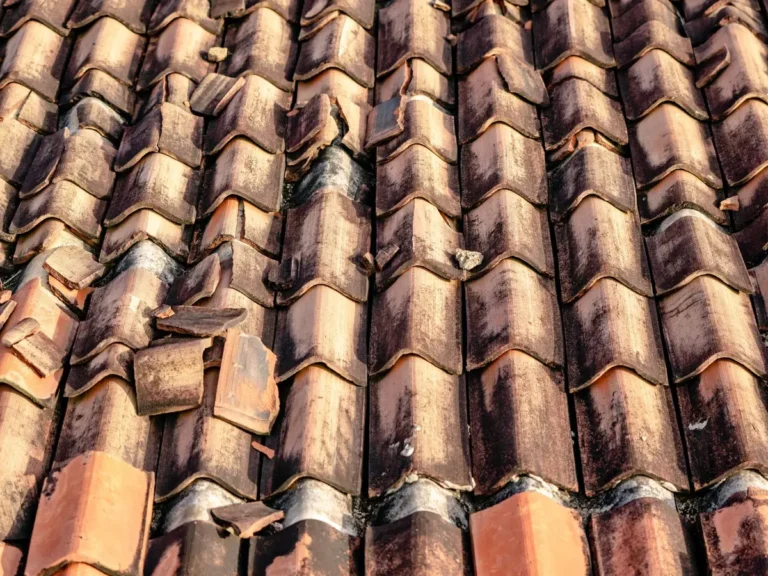


If your roof has storm damage, such as tiles or slates blown off, act in this order: make sure everyone is safe, stop water getting in, photograph the damage from the ground and inside, contact your insurer, and get a roofer to make the roof watertight. Most UK home insurance policies cover storm damage to a roof, but not wear and tear, so clear evidence of the storm and the damage matters.
This guide explains what to do in the hours after a storm, how insurers and the Financial Ombudsman look at storm damage roof claims, what repairs typically cost, and how to stop the same thing happening next time.
What to Do Immediately After Storm Damage to Your Roof
- Stay safe. Keep away from fallen tiles, loose chimney pots and damaged ceilings. Never go on the roof in high winds.
- Stop the water. Catch drips, move belongings and switch off electrics near any leak.
- Record the damage. Photograph the roof from the ground, the debris in the garden and any damage inside, with the date visible if possible.
- Note the storm. Write down the date and time, and keep any weather warnings or news reports about the storm in your area.
- Call your insurer. Many insurers run 24-hour helplines and can advise on emergency repairs.
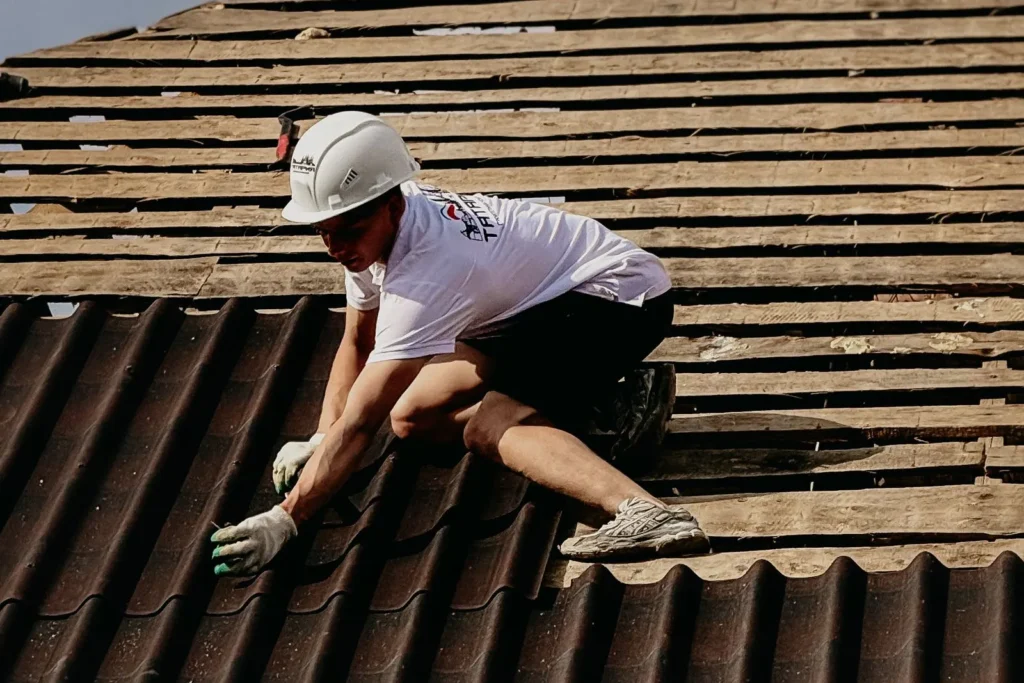
- Get the roof made watertight. A roofer can fit a temporary cover and replace missing tiles. Keep every receipt.
Does Home Insurance Cover Storm Damage to a Roof?
Most standard UK home insurance policies cover storm damage, including damage to the roof. The Association of British Insurers advises homeowners to contact their insurer as soon as they can, to arrange temporary repairs to prevent further damage after speaking to the insurer, and to keep receipts because they form part of the claim.
What insurance usually does not cover is damage caused by wear and tear or gradual deterioration. This is where many storm damage roof claims become disputed: the insurer argues the roof was already in poor condition, and the homeowner argues the storm caused the damage.
How the Financial Ombudsman looks at storm claims
The Financial Ombudsman Service publishes case studies showing how it decides disputed storm claims. In one case, an insurer refused a claim because winds had not reached its own threshold of Beaufort level ten (55 to 63 miles per hour). The Ombudsman rejected wind speed as a deciding factor and instead looked at the policy wording, local weather evidence, damage to neighbouring homes, and photos of the roof, then told the insurer to deal with the claim.
The practical lesson: keep evidence of the storm, note any damage on your street, and ask your roofer for a written report on the cause of the damage.
Storm damage to your roof? JW Roofing Solutions can make it watertight and give you a written report and quote for your insurer. Call +44 7467 800002 or request a free quote.
What Counts as a Storm for a Roof Insurance Claim?
Most UK insurers use the Association of British Insurers definition of a storm: wind gusts of at least 48 knots (55mph), torrential rain of at least 25mm an hour, snow at least 30cm deep in 24 hours, or hail heavy enough to damage hard surfaces or break glass, as quoted in a Financial Ombudsman decision. Each policy has its own wording, so check yours, but gusts of 55mph are the usual benchmark.
The Financial Ombudsman Service asks three questions when a storm claim is refused: were there storm conditions on or around the date of the damage, is the damage the kind a storm typically causes, and was the storm the main cause. All three need to be yes. It also notes, in another decision, that the Beaufort scale puts gales of 47 to 54mph as able to cause slight structural damage, such as roof slates being removed, so a claim is not automatically lost just because gusts stayed under 55mph.
Storm Damage or Wear and Tear?
Insurers pay for sudden damage caused by a storm, not for a roof that was already failing; one insurer’s policy wording quoted by the Ombudsman says a storm can highlight defects rather than cause them. Slipped tiles on rusted nails, crumbling ridge mortar or felt that was already cracked are the usual reasons a claim is turned down.
How to Make a Storm Damage Roof Insurance Claim
- Photograph everything from the ground and inside, with the date: missing tiles, debris, water stains.
- Note the date and time the damage happened and check local weather records for that day.
- Call your insurer early and ask whether they want to send their own surveyor before repairs.
- Get the roof made safe with a temporary repair and keep the invoice; insurers expect you to prevent further damage.
- Get a written roofer\’s report describing the damage and its cause, with photos taken from the roof.
- Keep damaged materials until the insurer says you can dispose of them.
If the insurer refuses a claim you believe is valid, you can complain to the insurer and then take it to the Financial Ombudsman Service. For what to do in the first hour, see our emergency roof repair guide.
Common Types of Storm Damage on UK Roofs
High winds and heavy rain tend to damage the same parts of a roof again and again.
| Storm damage | What happens | Typical repair |
|---|---|---|
| Tiles or slates blown off | Wind lifts loose or poorly fixed tiles, often near edges and ridges | Replace and re-fix tiles or slates |
| Lifted ridge tiles | Old mortar bedding cracks and ridge tiles loosen | Re-bed or mechanically fix ridge tiles |
| Damaged flashing | Lead is lifted or torn at chimneys and walls | Re-dress or replace lead flashing |
| Chimney damage | Pots, flaunching or brickwork are dislodged | Chimney repair and repointing |
| Flat roof damage | Felt is lifted at edges or punctured by debris | Patch repair or re-cover |
| Blocked gutters | Leaves and debris block gutters and outlets | Clear and repair gutters |
How Much Does Storm Damage Roof Repair Cost?
Storm damage roof repair usually costs £300 to £1,200 or more in 2026, while replacing a few missing or slipped tiles costs £150 to £350 and a temporary make-safe £150 to £500, according to MyJobQuote’s October 2026 emergency roofer guide. An emergency call-out adds £150 to £300, and out-of-hours visits more.
| Storm repair | Typical UK cost (2026) |
|---|---|
| Emergency call-out | £150 to £300 |
| Temporary repair or tarpaulin | £150 to £500 |
| Missing or slipped tile repair | £150 to £350 |
| Emergency flat roof repair | £200 to £700 |
| Storm damage roof repair | £300 to £1,200+ |
London prices usually sit at the top of each range, and scaffolding is extra where it is needed. If your insurer accepts the claim, your policy excess is deducted from the payout. For planned repair prices, see our roof repairs page.
How to Reduce the Risk of Future Storm Damage
Roofs that are well maintained cope with storms far better. Before winter, it is worth checking:
- Slipped, cracked or loose tiles and slates, especially at the edges and ridge
- Ridge and hip tiles with cracked or missing mortar
- Lead flashing that has lifted or split
- Chimney pots and flaunching
- Gutters and valleys full of leaves
- Overhanging branches that could fall onto the roof
A routine roof inspection or a drone roof survey picks these up without anyone needing to walk on the roof. Our guide on whether roofers can work in the wind explains why repairs sometimes have to wait until the storm has passed.
After a storm, a professional check is usually the quickest way to see and document what has moved before you claim: a standard visual roof inspection typically costs £150 to £250 (see our roof inspection cost guide).
After a storm, look for tiles that are cracked as well as slipped. Our guide to a cracked roof tile explains whether it needs fixing straight away.
Frequently Asked Questions
What should I do if tiles blow off my roof in a storm?
Keep clear of the area, stop any water getting in, photograph the damage from the ground, contact your insurer and get a roofer to make the roof watertight. Do not go on the roof yourself.
Does home insurance cover roof tiles blown off in a storm?
Most UK home insurance policies cover storm damage to roofs. Damage caused by wear and tear or gradual deterioration is usually excluded, so evidence of the storm and the damage helps your claim.
What wind speed counts as a storm for insurance?
It depends on your policy. Some insurers use a wind speed threshold, but the Financial Ombudsman has said wind speed alone should not decide a storm claim and looks at all the evidence.
How much does storm damage roof repair cost?
Emergency storm repairs in the UK typically cost £300 to £1,200 or more including call-out. Replacing a few tiles can be £150 to £300, and scaffolding adds £300 to £800 if needed.
Can I arrange repairs before my insurer approves them?
You can arrange temporary repairs to stop further damage, but speak to your insurer first if you can and keep all receipts. Permanent repairs are usually agreed with the insurer.
What wind speed counts as a storm for home insurance?
Most UK insurers use gusts of at least 55mph (48 knots), following the ABI definition. The Financial Ombudsman also considers other evidence, and gales of 47 to 54mph can cause slight structural damage such as slates being removed.
Why was my storm damage roof claim rejected?
The most common reasons are that the weather did not meet the policy’s storm definition, or the insurer decided the damage was caused by wear and tear or poor maintenance rather than the storm.
Storm Damage Roof Repair in SouthWest London
JW Roofing Solutions repairs storm damaged roofs across SouthWest London, from blown-off tiles and slates to lifted flashing and damaged flat roofs. We make the roof safe, explain what happened in plain English and provide a clear, written quote that you can share with your insurer. Call +44 7467 800002, get in touch online or see our roof repairs page.
Need help with your roof? JW Roofing Solutions provides storm damage roof repairs in SouthWest London. Get a free, no-obligation quote.