If lien waivers are used where you live, you should always secure a signed lien waiver before handing over money to your roofer. A lien waiver acts like a specialised receipt: it confirms payment for the work covered and, crucially, gives up the contractor’s right to file a lien (a legal claim) against your property for that amount. In places where mechanic’s or construction liens apply, this is one of the safest ways to avoid being dragged into disputes between your roofer, subcontractors, and material suppliers.
This guide explains what a lien waiver is, why it matters, the difference between conditional and unconditional waivers, and simple best practices you can follow before making payments. Because rules around liens and waivers differ by country and region, this article is general information only and not legal advice; if you are unsure how lien law works in your area, it is wise to speak with a local solicitor or legal professional. If you are in the service area of JW Roofing Solutions and want to understand the paperwork around your roof project, our team can explain our payment steps clearly as part of our wider roofing services.
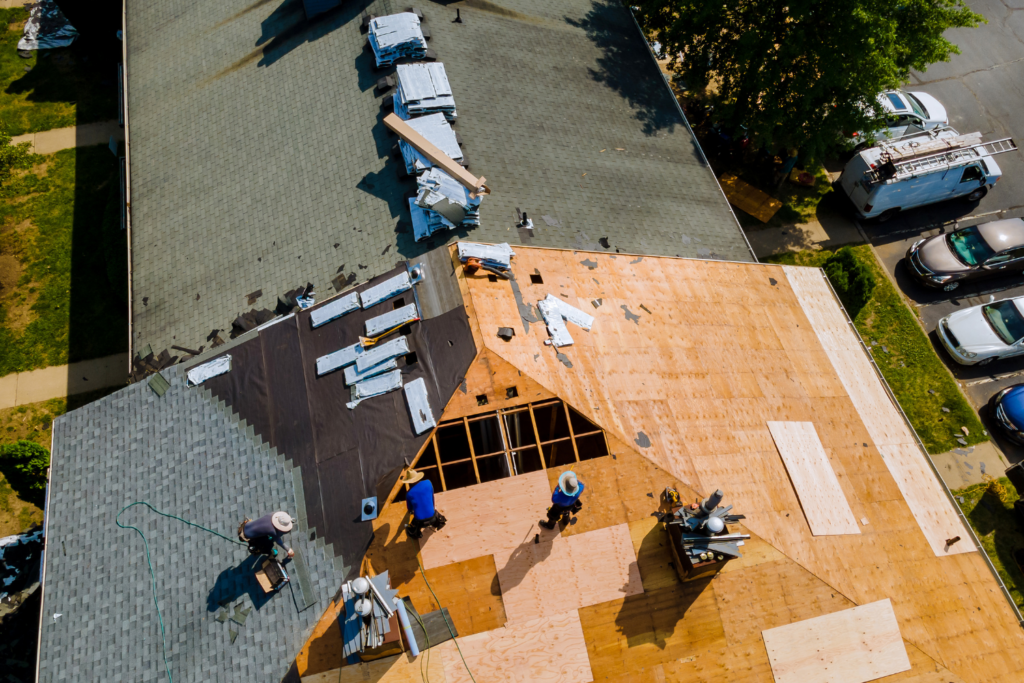
A lien waiver is a document signed by a contractor, subcontractor, or supplier stating that, in exchange for a payment, they give up (waive) their right to file a lien on your property for that specific amount or period of work. In simple terms, they are saying: “I’ve been paid for this part of the job, and I will not later claim I am owed this money by putting a lien on your house.”
Without waivers, there is a risk that you could pay your main roofer in full, but if they fail to pay their subcontractors or material suppliers, those parties might still be able to file a lien or make a claim against your property. In systems where liens are allowed, a properly completed waiver is one of the key tools available to homeowners to prevent this “double payment” risk.
The two most common types of waiver are:
In practice, conditional waivers are safer for contractors while funds are moving, and unconditional waivers give homeowners the strongest confirmation once the money is safely received. For larger jobs with multiple payments, you might use conditional waivers for each interim payment and an unconditional final waiver at the end.
Here are simple steps you can take to protect yourself if lien waivers apply where you live:
If a roofer refuses to sign reasonable, correctly drafted waivers or becomes vague about who is working on the job and who is supplying materials, that is a signal to slow down and ask more questions before paying.

Lien waivers are just one part of a safe and sensible payment process for roofing work. To further protect yourself:
Combining a clear contract, staged payments, and properly used waivers gives you strong protection and transparency throughout the project.
At JW Roofing Solutions, the goal is to make payment and paperwork straightforward and transparent. For larger jobs, we discuss payment stages ahead of time, explain what each stage covers, and ensure that documentation and receipts are provided so you have a clear record of what has been paid for. Where relevant to your jurisdiction and agreed process, we are happy to help you understand what documents are appropriate to protect both sides.
If you would like to see who is behind the company and how we work, you can read more on our About Us page, and explore the types of roofing projects we carry out on our Services page. When you are ready to discuss a project, you can easily get in touch via our Contact Us page so we can talk through the scope, payments, and paperwork in a way that makes sense for you.