Flat roof repair in the UK typically costs between £100 and £180 per square metre depending on the material, with most single-defect jobs (a split, a blister, a failed flashing joint) landing somewhere between £250 and £600 once you include a roofer’s call-out. Most flat roof problems come from one of a handful of causes — ponding water, a split membrane, perished flashing, or UV damage breaking down the surface — and most are fixable without a full replacement if you catch them early.
Flat roof repair costs vary by material, running roughly £100–£180 per square metre. According to Checkatrade’s UK roof repair cost data, bitumen felt repairs sit at the lower end, EPDM rubber in the middle, and GRP fibreglass at the top:
| Material | Repair Cost per m² |
|---|---|
| Bitumen felt | £100 – £140 |
| EPDM rubber | £120 – £170 |
| GRP fibreglass | £130 – £180 |
Most homes don’t need a whole square metre re-covered — a single split, blister or flashing repair is usually a call-out plus a couple of hours’ labour, which is why it’s worth getting a written quote rather than assuming the per-m² rate applies to your whole roof. Roofers typically charge £280–£360 a day, or £35–£45 an hour, on top of any materials. Extras like scaffolding (around £625 a week) or skip hire (£125–£320) only apply on larger jobs.
Most flat roof repairs trace back to one of four causes: standing water, a split or punctured membrane, failed flashing around edges and upstands, or general wear from UV exposure. Left alone, any of these lets water track under the covering and into the roof structure below.
[YOUR EXPERIENCE HERE — the skill will not invent this]
Lifespan depends heavily on material and installation quality. According to Up Top Roofing’s flat roof lifespan data, basic felt typically lasts 10–15 years, torch-on felt 20–30 years, GRP fibreglass and liquid systems 20–30+ years, and EPDM rubber 30–50 years or more. Those ranges assume correct installation and routine inspection — a poorly fitted roof of any material can fail well before its expected age.
Repair makes sense when the damage is localised and the roof structure underneath is still dry and sound. Replacement is the better call once you’re dealing with recurring leaks at multiple points, widespread blistering or cracking, a soft or sagging deck, or a roof that’s simply reached the end of its expected life.
A useful rule of thumb, covered in more detail in our guide to the 25% rule in roofing repair vs replace: if more than a quarter of the roof is affected, or you’re facing repeated repairs, replacement usually works out better value than patching the same roof again and again. If you’re weighing it up for a pitched roof instead, our broader roof repair vs replacement guide walks through the same decision, and a roof inspection is the fastest way to find out which side of that line your roof is on.
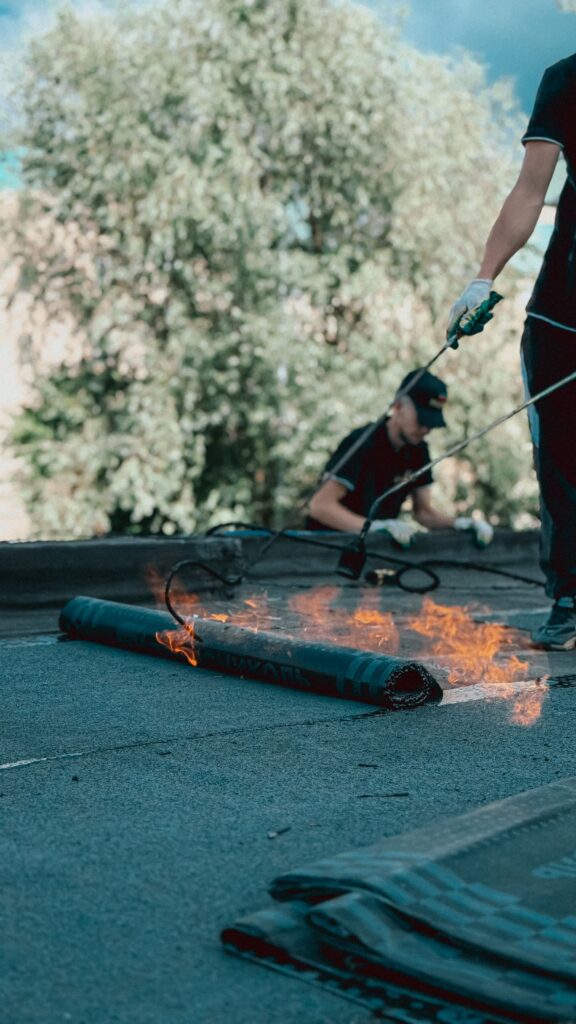
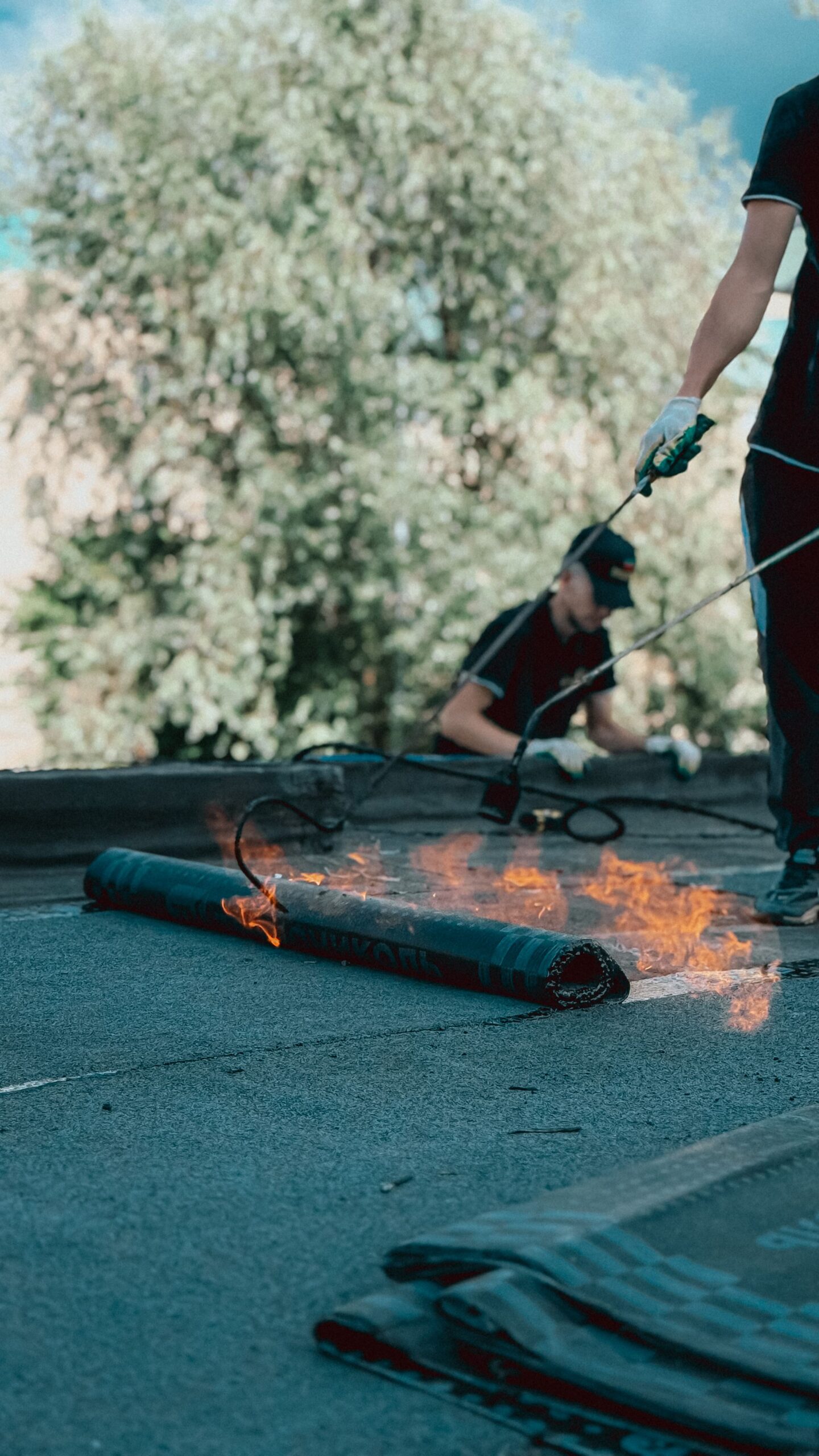
The right system depends on what’s already on your roof and what you’re trying to fix — mixing systems (patching EPDM with a bitumen-based repair, for example) rarely bonds properly and tends to fail again quickly. Torch-on felt is the most common covering on older SouthWest London flat roofs and repairs well when reheated and reworked by someone who knows the material; liquid roofing systems are often the better fix for roofs with lots of upstands, pipes or awkward junctions, since they can be applied seamlessly around detail work that felt or rubber sheets struggle with.
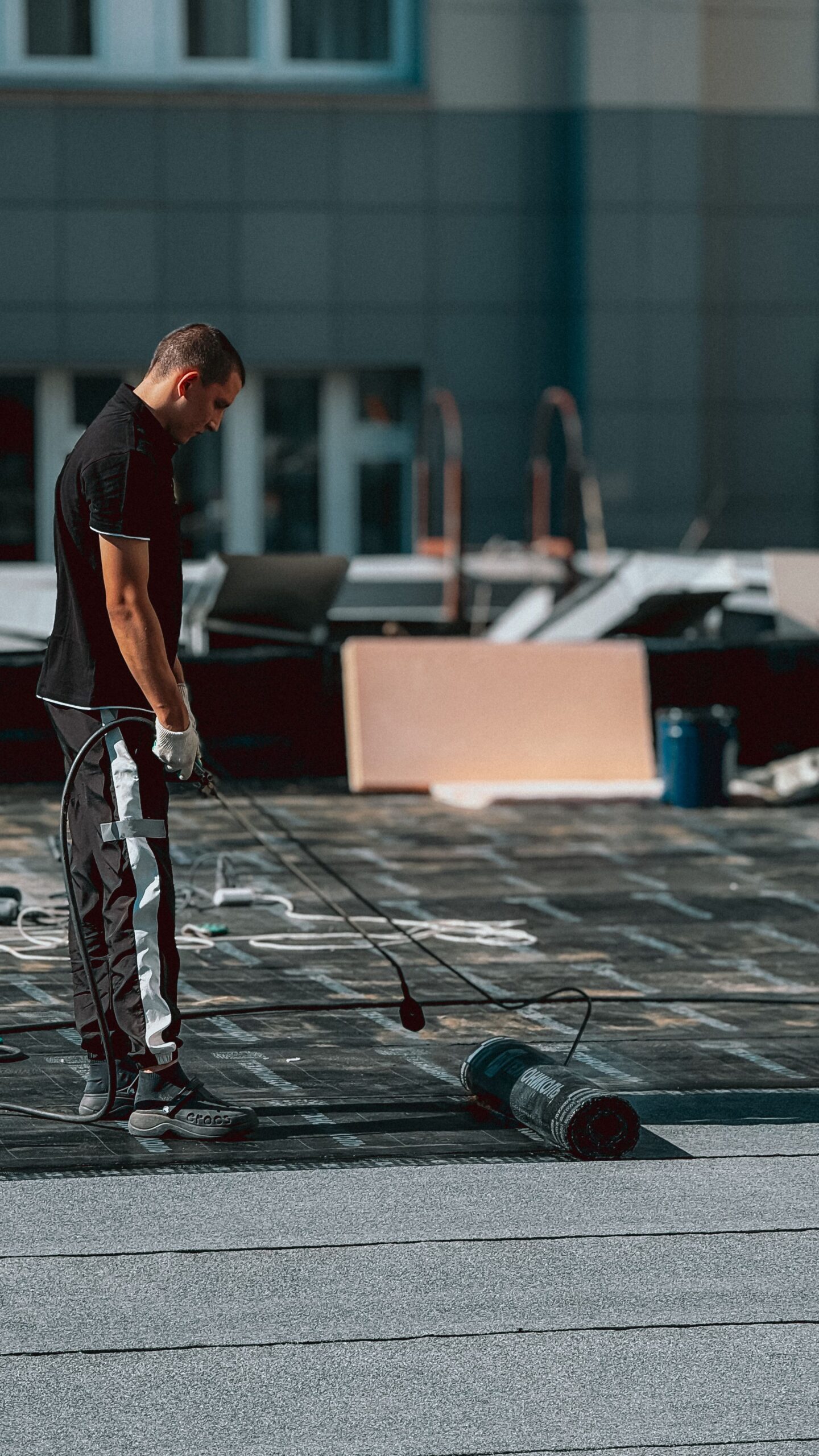
JW Roofing Solutions works with both torch-on felt systems and liquid roofing, which covers the two most common flat roof repair jobs we’re called out for across SouthWest London.
Home insurance usually covers flat roof repair only when the damage is sudden and accidental — storm damage, a fallen branch, or a leak that’s caused visible internal damage very recently. It typically won’t cover repairs for gradual wear, UV degradation, or a membrane that’s simply reached the end of its life, since insurers treat that as maintenance rather than an insurable event. If you’re not sure which category your roof falls into, get a written assessment from a roofer before contacting your insurer — it strengthens any claim and tells you honestly whether it’s worth making one.
Most flat roof repairs — a single split, blister or flashing fix — are a same-day job, usually two to four hours including drying or curing time for the material used. Larger repairs covering several square metres, or ones needing scaffolding for access, can take one to two days.
A proper flat roof repair quote should name the material being used, the size of the area being repaired, and whether it’s a like-for-like patch or a partial re-cover — vague “from” pricing usually means extras get added once work starts. JW Roofing Solutions covers flat roof repair, replacement and maintenance across SouthWest London, alongside our full range of roofing services. Every quote is written, detailed and free with no obligation.
Get a free, no-obligation flat roof repair quote from JW Roofing Solutions — we’ll take a look, tell you honestly whether it’s a repair or a replacement job, and give you a clear written price either way.
How much does flat roof repair cost in the UK?
Most single-defect repairs cost between £250 and £600 including call-out, or £100–£180 per square metre for larger areas, depending on the material.
What’s the most common cause of flat roof leaks?
Failed flashing around edges, chimneys and upstands is one of the most common leak points, alongside ponding water and split or punctured membrane.
How long does a flat roof repair last?
A properly done repair should last as long as the surrounding roof’s remaining lifespan — from a few years on an older felt roof to a decade or more on EPDM, provided the underlying deck is sound.
Should I repair or replace my flat roof?
Repair if the damage is localised and the roof deck underneath is dry. Replace if you’re facing recurring leaks at multiple points, widespread blistering, or the roof has passed its expected lifespan — see our 25% rule guide for the full breakdown.
Is flat roof repair covered by home insurance?
Only if the damage is sudden and accidental, such as storm damage. Gradual wear, UV degradation or a membrane reaching the end of its life is not normally covered — check your policy wording directly.
Can you repair a flat roof in winter or wet weather?
Small emergency repairs can often be carried out in most conditions, but a full re-cover needs a dry spell, since felt, GRP and liquid systems all need to bond or cure properly to work.
If your flat roof is leaking, blistering or past its best, contact JW Roofing Solutions for a free, honest assessment and a written flat roof repair quote covering your SouthWest London property.