

Lead flashing repair costs about £250 for a patch repair and £450 to £600 to replace the lead on all four sides of a chimney, before scaffolding and VAT, according to Checkatrade’s chimney flashing cost guide (September 2026). With scaffolding, a full re-lead is usually £800 to £1,200. These are UK guide prices, not JW prices.
What Is Lead Flashing and Why Does It Matter?
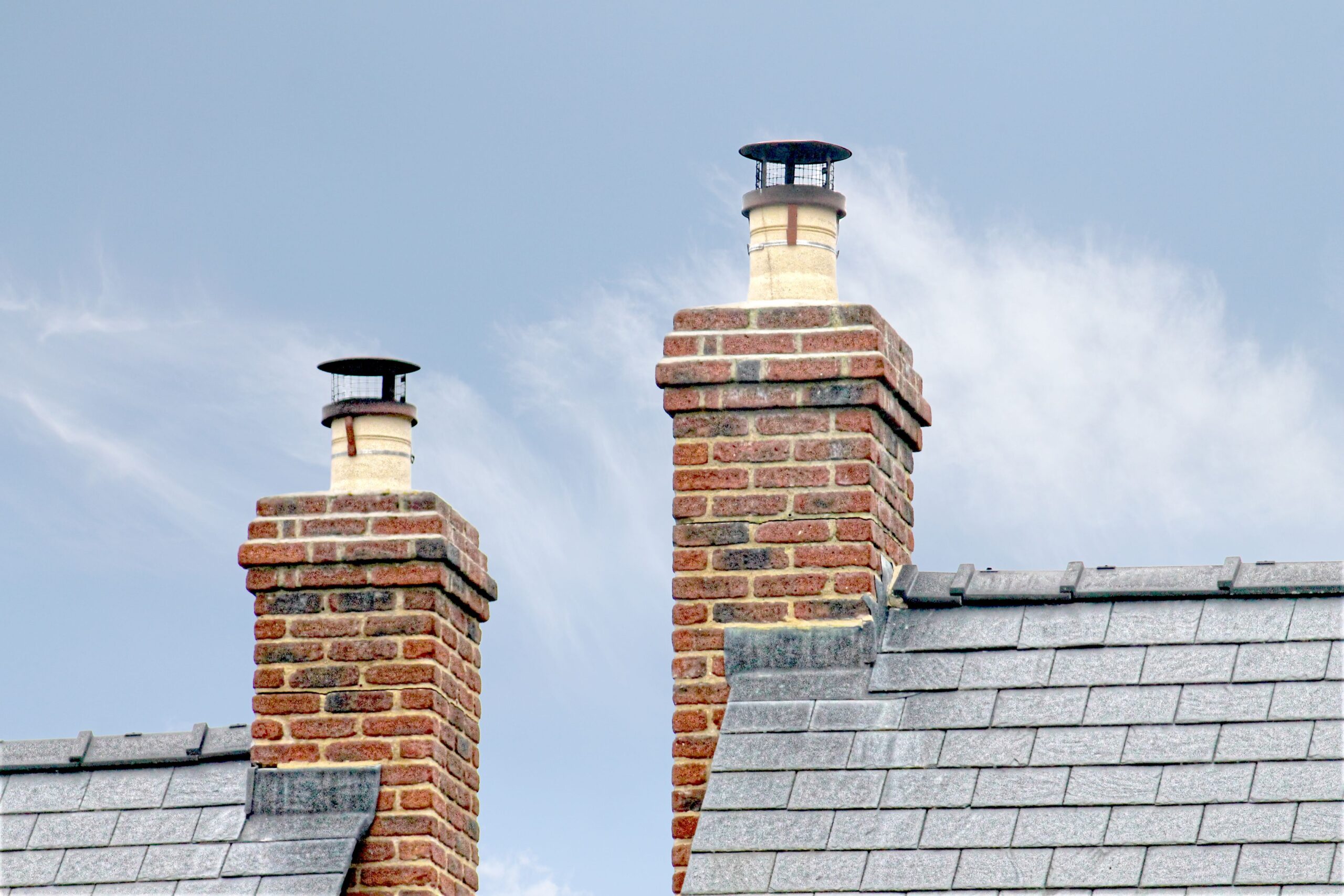
Lead flashing is the strip of lead sealing the joint where a roof meets a chimney, wall or other upstand, stopping water getting into the gap between two different surfaces. It matters because that joint is the weakest point in an otherwise watertight roof, tiles and membranes shed water on their own, but a flashing failure sends water straight into the structure below.
What Are the Signs Lead Flashing Has Failed?
The clearest signs are water stains on ceilings near a chimney breast, damp patches on an internal wall below a roof junction, and visible cracks, rust staining or loose sections of lead you can spot from the ground. According to Checkatrade’s chimney flashing cost guide, these are the standard indicators roofers look for before recommending a repair.
- Water stains or damp patches on ceilings or walls near a chimney or roof junction
- Visible cracks, splits or rust-coloured staining on the lead itself
- Lead that’s lifted, loose, or visibly pulling away from the wall or chimney
- A leak that only appears during heavy or driving rain, not light showers
What Causes Lead Flashing to Fail?
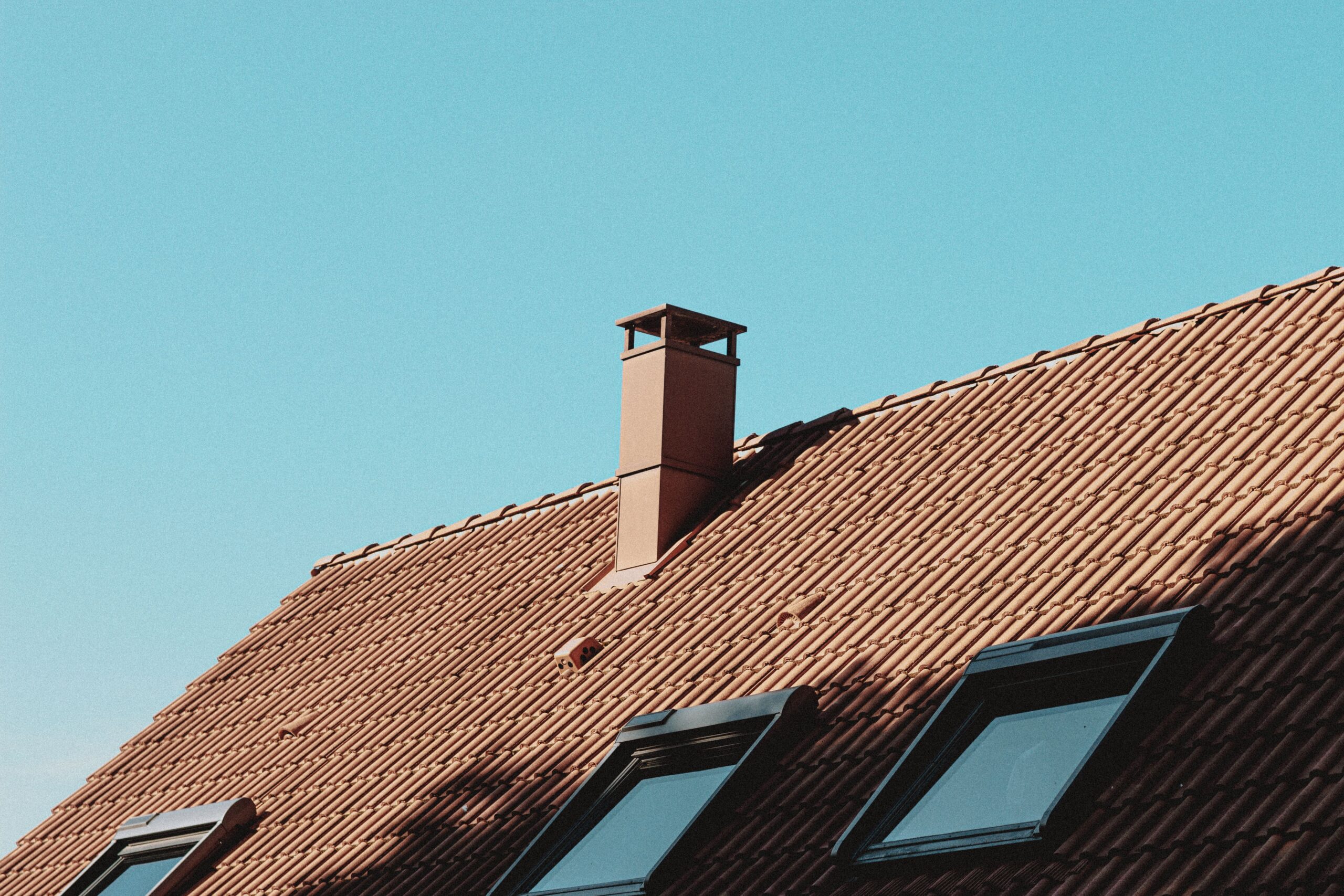
Most failures come down to age, poor original installation, or the lead simply working loose over years of thermal expansion and contraction. Cheap or incorrectly graded lead, mortar joints that crack and let water behind the flashing, and lead that wasn’t properly dressed into the brickwork in the first place are the most common root causes, which is why a repair sometimes just delays a problem that a full re-lead would actually solve.
Cracked, Lifted or Split Lead Flashing: Patch, Sealant or Replace?
The right fix depends on what has actually failed. Lead that has simply slipped out of its mortar joint can usually be re-dressed and re-fixed, but lead that has cracked, worn thin or been patched before normally needs a new piece, according to FixMyRoof’s lead flashing cost guide (May 2026). Sealant and flashing tape have a role, but only a limited one.
| What you can see | Likely cause | Proper repair | Is sealant or tape enough? |
|---|---|---|---|
| Top edge pulled out of the brick joint | Wedges loose, pointing cracked | Rake the joint out, re-wedge the lead, re-point or seal the joint | Sealant can finish the joint, but sealant alone in an unraked joint will not hold the lead in wind |
| Free edge lifting or flapping | Missing or weak clips | Fit clips to the free edge at the spacing set for the exposure | No, the edge needs mechanical fixing |
| Hairline crack or split in the lead | Thermal fatigue, often from pieces that are too long or fixed too tightly | Cut out and replace the damaged length, or lead-weld a new section in | Tape is a short-term stopgap only |
| Several cracks, thin or brittle lead, old patches | Lead at the end of its life, or Code 3 used where Code 4 was needed | Full replacement of that flashing | No |
| Lead missing | Theft or storm loss | New flashing, possibly a lead alternative where theft is a risk | Tape only as an emergency cover |
The detail on wedges and sealant comes from Avoice’s lead flashing specification guide (October 2026), which says a flashing held only by sealant will lift in the first storm, and from FixMyRoof, which treats flashing tape as a temporary measure lasting about 3 to 5 years rather than a like-for-like replacement. If the leak is coming through the brickwork around the lead rather than the lead itself, see our chimney repair guide, and for the lead gutter behind a stack see chimney back gutters.
How Much Does Lead Flashing Repair Cost?
A lead flashing patch repair costs £150 to £250 without scaffolding, while a full chimney re-lead costs £450 to £600, or £800 to £1,200 once scaffolding is added. Prices below are from FixMyRoof (May 2026) and exclude VAT.
| Job | Without scaffolding | With scaffolding |
|---|---|---|
| Patch repair or re-dressing existing lead | £150 to £250 | £550 to £650 |
| Apron flashing only | £350 to £460 | £700 to £920 |
| Full chimney re-lead (all four sides) | £450 to £600 | £800 to £1,200 |
| Dormer flashing | £300 to £500 | £650 to £950 |
| Valley flashing | £50 to £120 per metre | Add £250 to £500 for access |
Most roofers price leadwork as a day-rate job, often £200 to £350 a day, and a straightforward chimney re-lead takes half a day to a full day. The lead itself is usually £250 to £310 for a typical chimney; the rest is labour, preparation and disposal of the old lead. If the mortar groove that holds the lead needs re-cutting or the brickwork needs repointing first, expect another £100 to £300.
Lead Flashing Prices by Location on the Roof
Chimneys are only one place lead is used. The table below brings together 2026 UK guide prices for each common flashing location, so you can check a quote against the right line. These are UK guide prices, not JW prices, and exclude VAT and scaffolding unless stated.
| Location | Repair or re-dress | Replacement | Source (date) |
|---|---|---|---|
| Chimney, all four sides | About £250 (patch, no scaffold) | £450 to £600 without scaffold, £800 to £1,200 with | Checkatrade (Sep 2026) |
| Chimney apron only | Not listed | £350 to £460 without scaffold, £700 to £920 with | FixMyRoof (May 2026) |
| Wall abutment, stepped flashing | £150 to £250 (re-dressing) | £80 to £120 per metre in Code 5, before access | FixMyRoof (May 2026) |
| Wall abutment, straight cover flashing | £150 to £250 (re-dressing) | £50 to £70 per metre in Code 5, before access | FixMyRoof (May 2026) |
| Dormer | Not listed | £300 to £500 without scaffold, £650 to £950 with | FixMyRoof (May 2026) |
| Valley | Not listed | £50 to £120 per metre plus £250 to £500 for access (FixMyRoof); £80 to £150 per metre installed (Trade2Base) | FixMyRoof (May 2026), Trade2Base (Jun 2026) |
| Bay window roof | Not listed | £400 to £800 to reline | Trade2Base (Jun 2026) |
| Parapet gutter | Not listed | £100 to £200 per metre to reline | Trade2Base (Jun 2026) |
Trade2Base notes that London and the South East sit at the top of its ranges. For valleys and gutters that hold water, see our guides to box gutters and lead work.
How Much Does Lead Flashing Cost per Metre?
Installed Code 5 lead flashing costs about £50 to £70 per metre for straight runs and £80 to £120 per metre for stepped flashing, excluding access, according to FixMyRoof and Checkatrade’s 2026 roof repair rates. Moving from Code 4 to Code 5 on a typical chimney adds only about £30 to £60 in material.
| Region | Roofer day rate | Chimney re-lead (no scaffold) |
|---|---|---|
| London and South East | £300 to £400 | £550 to £700 |
| South West and East Anglia | £250 to £350 | £450 to £600 |
| Midlands | £230 to £320 | £400 to £550 |
| North of England | £200 to £300 | £350 to £500 |
London Access: Scaffold Licences and Parking Bays
On a London terrace the access can cost as much as the lead. Checkatrade puts high-level chimney scaffolding at about £500 to £820 a week (September 2026), and FixMyRoof gives £250 to £500 for a one-week hire on a standard two-storey chimney (May 2026). If any part of the scaffold stands on or over the pavement, the council’s licence fee is added on top.
| Borough | Scaffold licence | Notice and extras |
|---|---|---|
| Wandsworth | £221.50 per 28 days for up to 10m of frontage, plus a £53.50 inspection fee (fees valid 1 April 2026 to 31 March 2027) | Apply at least five working days ahead; £5 million public liability cover required; a parking bay suspension is extra at £43.40 per 5m space per day for up to five days |
| Lambeth | £765 for six weeks (2026/27 fees) | Mobile towers and cherry pickers are also £765 for one week |
Sources: Wandsworth Council highway licence fees (updated June 2026), Wandsworth scaffold licence guidance (March 2026) and Lambeth Council highways licence fees (2026/27). Wandsworth cannot license scaffolding on a red route; that needs Transport for London’s permission. If a chimney can be reached from a flat roof or the back garden, the licence may not be needed at all, which is one reason two quotes for the same job can differ by hundreds of pounds. A drone roof survey can show the state of the lead before anyone pays for access.
Lead or a Cheaper Alternative: Which Lasts Longer?
Code 4 lead lasts 50 years or more on a chimney, against 20 to 30 years for flexible alternatives such as Wakaflex and 3 to 5 years for flashing tape. Over 50 years, a £570 re-lead works out cheaper than repeated repairs with shorter-life materials.
| Material | Typical fitted cost | Expected lifespan |
|---|---|---|
| Code 4 lead | About £570 (chimney) | 50+ years |
| Wakaflex or Ubiflex | £200 to £350 | 20 to 30 years |
| Flashing tape | £80 to £150 | 3 to 5 years |
Figures from FixMyRoof. Code 4 is the sensible minimum for exposed chimney and wall junctions; a quote that specifies Code 3 to save £15 to £30 can cut the life of the flashing to 10 to 15 years. For the full range of leadwork we carry out, including valleys, box gutters and capping, see lead work in SouthWest London.
How Long Does Lead Flashing Last?
Properly installed lead flashing lasts up to 50 years, against 15 to 30 years for most other flashing materials, according to Checkatrade (September 2026). The Lead Sheet Training Academy, writing in RIBA Journal (November 2025), puts rolled lead at over 80 years for lower codes and over 100 years for heavier codes when it is sized and fixed correctly. The weak points are thin lead and poor fixing: FixMyRoof says Code 3 used on exposed chimney work can cut the life to about 10 to 15 years.
What a Proper Lead Flashing Job Looks Like: Codes, Laps and Fixings
Most early flashing failures come from the lead being too thin, too long or fixed wrongly, not from the lead itself wearing out. UK leadwork follows the Lead Sheet Training Academy (LSTA) manual, rolled lead to BS EN 12588, and, for house builders, the NHBC Standards 2024 weathering details. You will sometimes see BS 6915 quoted on a specification; Avoice (October 2026) points out that BS 6915 is written for fully supported lead roofs and wall coverings, so for flashings it is normally cited alongside the LSTA manual rather than on its own.
Which lead code goes where
| Detail | Usual minimum code | Key rule |
|---|---|---|
| Soakers (under the tiles) | Code 3 | Hidden, so the lighter code is acceptable |
| Apron, step and cover flashings | Code 4 | Each piece no longer than 1.5m |
| Chimney back gutter | Code 5 | Upstand of at least 100mm in the Avoice example |
Codes and lengths from NHBC Standards 2024 and Avoice (October 2026).
Laps, turn-in and fixing basics
- Short lengths with laps: flashings are made in pieces of no more than 1.5m with at least 100mm laps between them, so the lead can expand and contract without cracking (NHBC Standards 2024).
- Lap over the tiles depends on pitch: the LSTA says 150mm is right at about 30 degrees, but laps range from 75mm to 395mm depending on pitch and exposure (RIBA Journal, November 2025).
- Turned into the wall: the top edge goes 25mm into a raked-out bed joint, with a minimum upstand of 75mm (NHBC Standards 2024).
- Wedged, not just sealed: lead wedges at no more than 450mm centres, or at least one per step on stepped flashings (NHBC Standards 2024).
- Clipped free edges: clips at 300mm to 500mm centres depending on wind exposure, in stainless steel or copper rather than lead on exposed sites, and fixed close to the edge, because a clip fixed 150mm or more from the edge has virtually no holding power (Fred Coote, Lead Sheet Association, Building Conservation Directory).
- Edge not folded back: folding back the edge tucked into the joint stops the pointing bonding to the masonry, which the same Building Conservation Directory article calls incorrect.
- Patination oil: applied to new lead to slow the white staining that otherwise washes onto brick and render (Avoice, October 2026).
These are the points worth checking on any quote or finished job. Where a flashing has failed early, one of them has usually been missed.
How Long Does a Lead Flashing Repair Take?
A patch repair without scaffolding is usually done in an hour to three hours. A full replacement typically takes three to five hours without scaffolding, rising to a full day once scaffolding access, removing the old lead and dressing in new lead are all factored in.
Is a Repair Enough, or Do You Need a Full Roof Inspection?
A single, localised flashing failure is usually a straightforward repair on its own. But since a leak that looks like it’s coming from a chimney can sometimes be a symptom of a wider roofing problem, it’s worth getting a proper look at the roof as a whole rather than just patching the visible symptom, our guide on roof inspection cost and whether it’s worth it covers when that broader check makes sense, and our roof repair vs replacement guide and the 25% rule explain how to weigh a repair against something bigger if the flashing turns out not to be the only issue.
Repair or Replace: A Quick Checklist
Based on the criteria in FixMyRoof’s guide (May 2026), a repair or re-dress is usually enough when all of these are true:
- The lead is Code 4 or heavier and still sound when pressed
- It has only slipped out of the mortar joint or lifted at the edge
- There are no cracks along the folds and no earlier patches
- Only one flashing (for example the apron) is affected
Replacement is the better spend when any of these apply:
- The lead is cracked, brittle or has been patched before
- It is thin Code 3 on an exposed chimney or wall
- Several sides or sections are failing at once
- Scaffolding is needed anyway, so the access cost is the same either way
If the stack itself needs work, see flaunching and chimney repairs, as it makes sense to do both under one scaffold.
Getting a Lead Flashing Repair Quote in SouthWest London
A clear quote lets you compare like with like. Checkatrade’s quote checklist (September 2026) and FixMyRoof (May 2026) both recommend asking for these to be written down:
- Whether it is a repair, a re-dress or a full replacement, and which flashings (apron, steps, back gutter, soakers) are included
- The lead code for each piece
- The access method, whether scaffolding is included, and who pays for any council scaffold licence or parking bay suspension
- Whether removal of old lead, waste and VAT are included
- Any extra work, such as repointing or tiles, priced separately
JW Roofing Solutions carries out lead work, flashing repair and roof repairs across SouthWest London, including Wandsworth, Clapham, Streatham, Tooting and our base in Balham (SW12). Call 07467 800002 or request a lead flashing repair quote.
Flashing faults are one of the main reasons a roof only leaks during downpours or driving rain. If that matches what you are seeing, read our guide to a roof leaking in heavy rain before booking a repair.
Frequently Asked Questions
How much does lead flashing repair cost in the UK?
A patch repair costs £150 to £250 without scaffolding, and a full chimney re-lead £450 to £600, rising to £800 to £1,200 with scaffolding. Prices exclude VAT, and London is typically at the top of each range.
What are the signs lead flashing has failed?
Water stains or damp patches near a chimney or roof junction, visible cracks or rust staining on the lead, lead that’s lifted or loose, and leaks that only appear in heavy or driving rain.
How long does lead flashing last?
Properly installed lead flashing can last up to 50 years. Cheaper alternative materials typically last 15 to 30 years depending on installation quality.
Can lead flashing be repaired, or does it need full replacement?
A localised problem, a lifted edge, a small crack, can usually be patch repaired. Widespread cracking, multiple failed sections, or flashing that’s simply reached the end of its life is better served by a full replacement.
How long does a lead flashing repair take?
A patch repair without scaffolding usually takes one to three hours. A full replacement takes three to five hours without scaffolding, or up to a full day with it.
How much does it cost to replace lead flashing around a chimney?
Usually £450 to £600 for all four sides without scaffolding, or £800 to £1,200 with scaffolding. In London expect about £550 to £700 before access.
How much does lead flashing cost per metre?
About £50 to £70 per metre for straight runs and £80 to £120 per metre for stepped flashing in Code 5 lead, excluding access equipment and VAT.
Can I use Flashband instead of lead flashing?
Only as a temporary fix. FixMyRoof (May 2026) puts fitted flashing tape at £80 to £150 with a life of about 3 to 5 years, against 50 years or more for Code 4 lead, and treats it as a stopgap rather than a replacement. NHBC Standards 2024 also say lead alternatives need an independent technical assessment. Tape can hold water out until a proper repair is booked.
What is the flashing called where a roof meets a wall?
It is called abutment flashing. Where a sloping roof runs up beside a wall, stepped flashings follow the brick courses over soakers fitted under the tiles. Where the top of a roof meets a wall, a horizontal apron or cover flashing is used. NHBC Standards 2024 require these to be tucked 25mm into a bed joint, wedged, and clipped at the free edge.
Can you repair lead flashing yourself?
It is not usually a DIY job. Checkatrade (September 2026) advises against it because of working at height, lead welding and the risk of sealing the symptom rather than the cause. FixMyRoof (May 2026) notes the Work at Height Regulations 2005 apply to homeowners too, and suggests DIY only for low, simple jobs such as an apron on a single-storey extension.
How often should lead flashing be replaced?
Correctly fitted lead rarely needs replacing on a fixed timetable. Checkatrade (September 2026) gives up to 50 years, and the Lead Sheet Training Academy quotes over 80 years for rolled lead. Replace it when it cracks, becomes brittle, has been patched repeatedly or is thin Code 3 on exposed work, which FixMyRoof says may last only 10 to 15 years.
Need help with your roof? JW Roofing Solutions provides lead work in SouthWest London. Get a free, no-obligation quote.