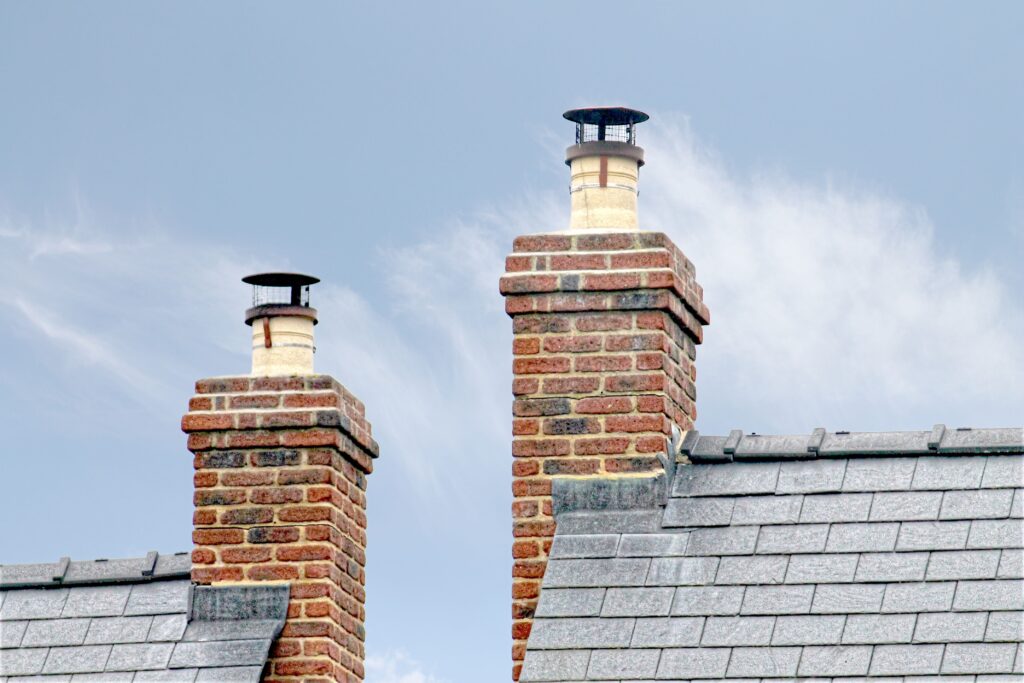
Lead flashing repair in the UK typically costs £150–£600 depending on whether it’s a patch repair or a full replacement, and whether scaffolding is needed. It’s a small, often overlooked part of a roof, but it’s usually the first thing to fail and the most common cause of a leak that seems to come from “nowhere” — most roof leaks around a chimney or wall junction trace back to failed flashing rather than the main roof covering itself.
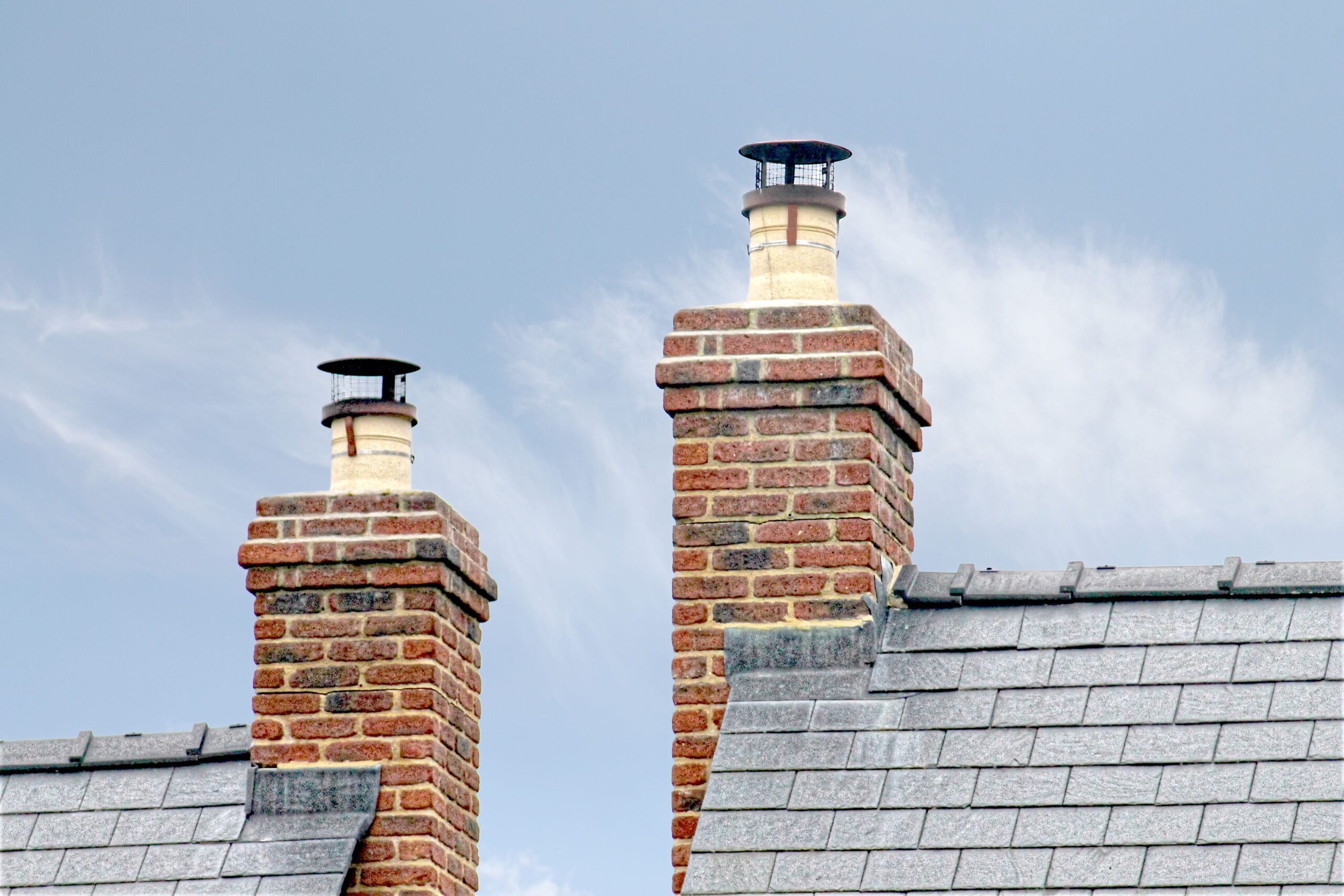
Lead flashing is the strip of lead sealing the joint where a roof meets a chimney, wall or other upstand, stopping water getting into the gap between two different surfaces. It matters because that joint is the weakest point in an otherwise watertight roof — tiles and membranes shed water on their own, but a flashing failure sends water straight into the structure below.
The clearest signs are water stains on ceilings near a chimney breast, damp patches on an internal wall below a roof junction, and visible cracks, rust staining or loose sections of lead you can spot from the ground. According to Checkatrade’s chimney flashing cost guide, these are the standard indicators roofers look for before recommending a repair.
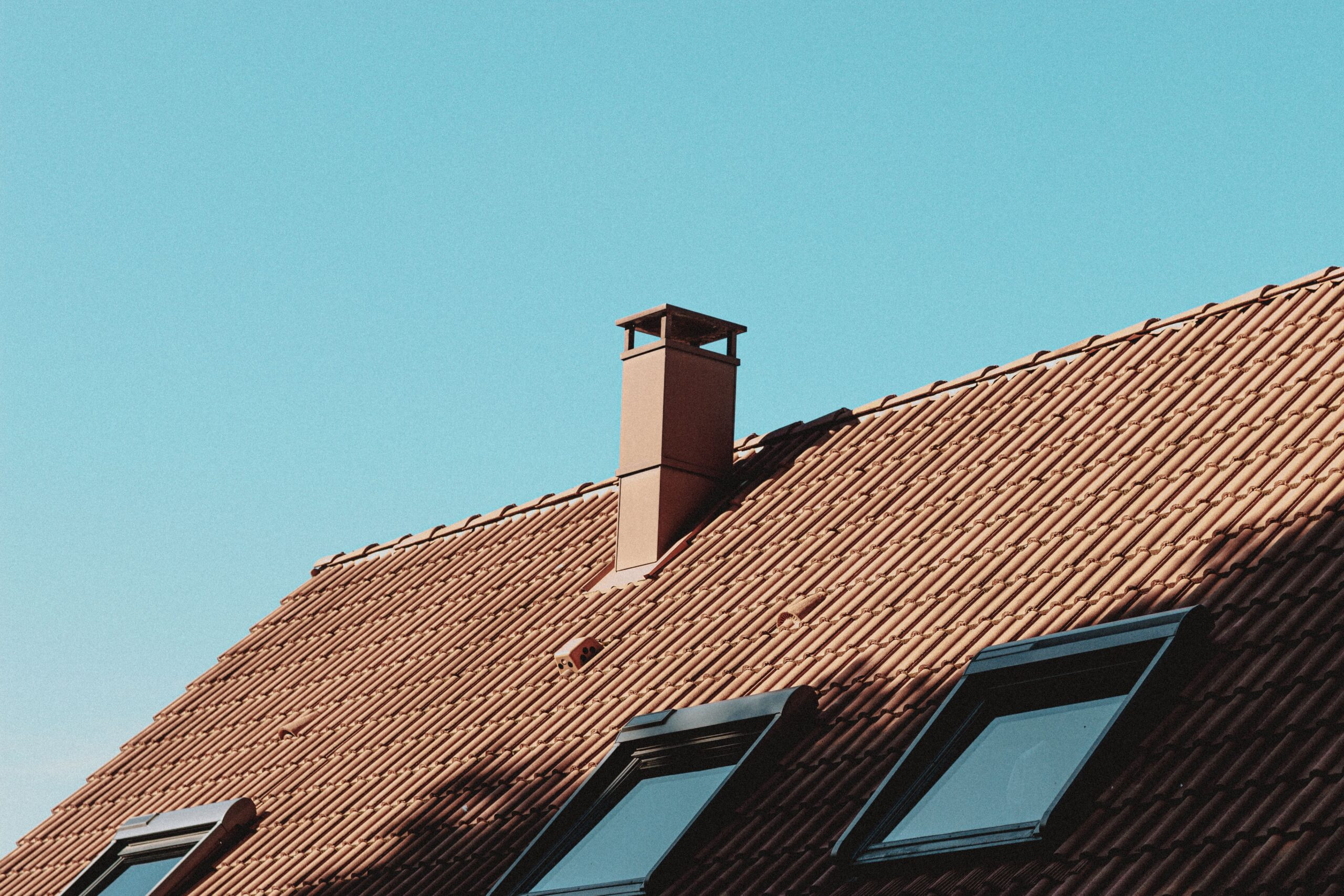
Most failures come down to age, poor original installation, or the lead simply working loose over years of thermal expansion and contraction. Cheap or incorrectly graded lead, mortar joints that crack and let water behind the flashing, and lead that wasn’t properly dressed into the brickwork in the first place are the most common root causes — which is why a repair sometimes just delays a problem that a full re-lead would actually solve.
[YOUR EXPERIENCE HERE — the skill will not invent this]
A patch repair to lead flashing typically costs £150–£250 without scaffolding, or £450–£600 if scaffolding is needed to reach it safely. That’s based on figures from MyJobQuote’s leadwork cost data, which puts a roofer’s day rate at £200–£300 and a straightforward patch repair at 1–3 hours without access equipment.
A full replacement runs £350–£460 without scaffolding, or £700–£920 with it, with the difference coming down almost entirely to access rather than the lead itself:
| Job Type | Typical Cost |
|---|---|
| Patch repair, no scaffolding | £150 – £250 |
| Patch repair, with scaffolding | £450 – £600 |
| Full replacement, no scaffolding | £350 – £460 |
| Full replacement, with scaffolding | £700 – £920 |
Scaffolding itself typically adds £250–£310 on top, so on a chimney that’s easily reached from an existing ladder or roof access, a patch repair can be the more economical choice — but if scaffolding is going up anyway for other work, it’s usually worth doing the full replacement while access is already paid for.
Properly installed lead flashing can last up to 50 years, considerably longer than most of the roof covering around it. Cheaper alternative flashing materials typically last 15–30 years depending on installation quality, which is one reason lead remains the standard choice for flashing on most UK roofs despite costing more upfront.
A patch repair without scaffolding is usually done in an hour to three hours. A full replacement typically takes three to five hours without scaffolding, rising to a full day once scaffolding access, removing the old lead and dressing in new lead are all factored in.
A single, localised flashing failure is usually a straightforward repair on its own. But since a leak that looks like it’s coming from a chimney can sometimes be a symptom of a wider roofing problem, it’s worth getting a proper look at the roof as a whole rather than just patching the visible symptom — our guide on roof inspection cost and whether it’s worth it covers when that broader check makes sense, and our roof repair vs replacement guide and the 25% rule explain how to weigh a repair against something bigger if the flashing turns out not to be the only issue.
A proper quote should say clearly whether it’s a patch repair or a full re-lead, whether scaffolding is included, and how many joints or sides are being covered — a vague single figure usually means the scope isn’t fixed yet. JW Roofing Solutions carries out lead work, flashing repair and full roofing services across SouthWest London. Every quote is written, detailed and free with no obligation.
Get a free, no-obligation lead flashing repair quote from JW Roofing Solutions — we’ll take a look, tell you honestly whether it’s a patch repair or a full replacement, and give you a clear written price either way.
How much does lead flashing repair cost in the UK?
A patch repair costs £150–£250 without scaffolding, or £450–£600 with it. A full replacement runs £350–£460 without scaffolding, or £700–£920 with it.
What are the signs lead flashing has failed?
Water stains or damp patches near a chimney or roof junction, visible cracks or rust staining on the lead, lead that’s lifted or loose, and leaks that only appear in heavy or driving rain.
How long does lead flashing last?
Properly installed lead flashing can last up to 50 years. Cheaper alternative materials typically last 15–30 years depending on installation quality.
Can lead flashing be repaired, or does it need full replacement?
A localised problem — a lifted edge, a small crack — can usually be patch repaired. Widespread cracking, multiple failed sections, or flashing that’s simply reached the end of its life is better served by a full replacement.
How long does a lead flashing repair take?
A patch repair without scaffolding usually takes one to three hours. A full replacement takes three to five hours without scaffolding, or up to a full day with it.
If you’re seeing damp patches or staining near a chimney or roof junction, contact JW Roofing Solutions for a free, honest assessment and a written lead flashing repair quote covering your SouthWest London property.